Aydın,
8°C
açık

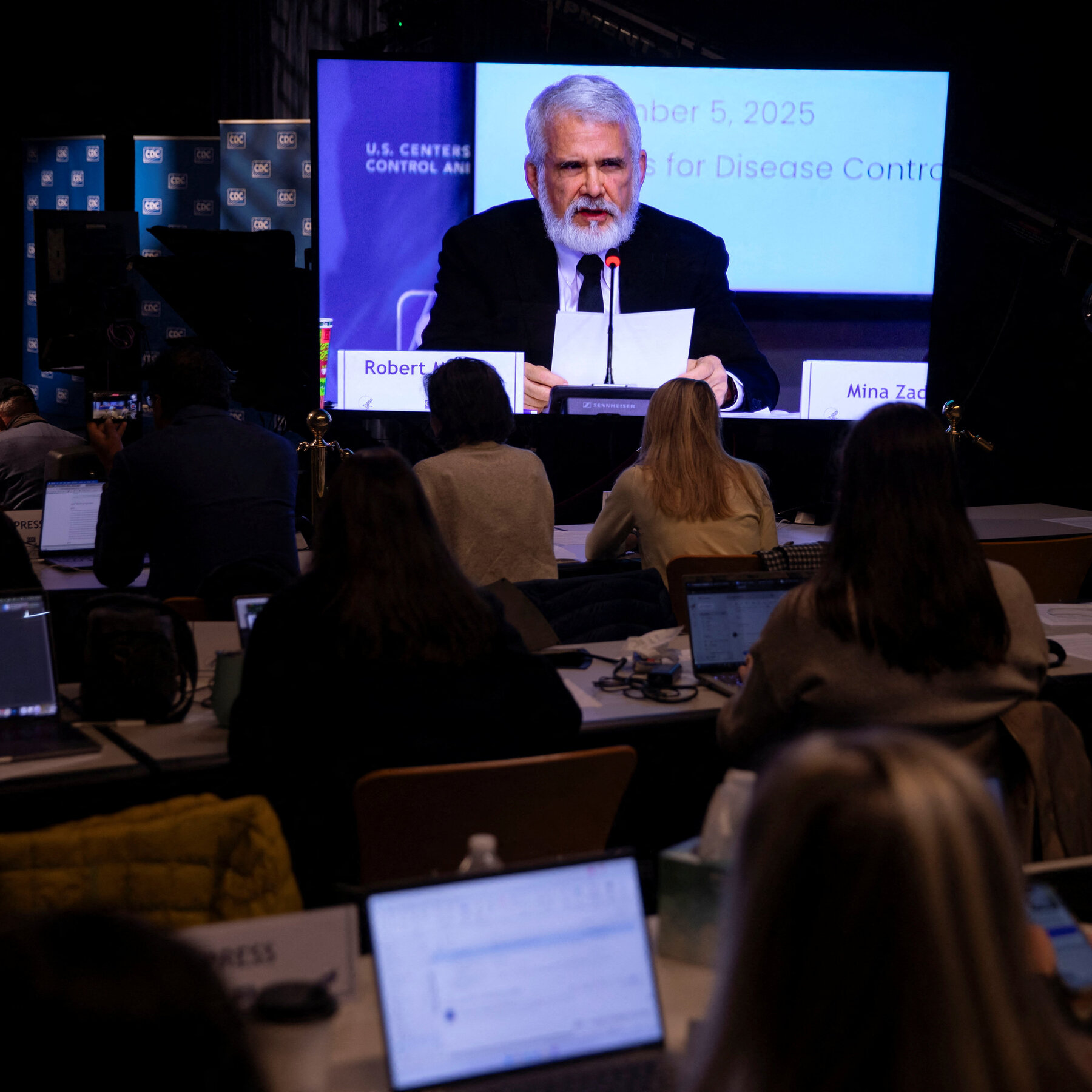
Washington, D.C.— The advisory panel that guides the Centers for Disease Control and Prevention’s (CDC) immunization schedule voted on Tuesday to drop the long‑standing recommendation that every newborn receive a hepatitis B vaccine within 24 hours of birth.
Instead, the committee now advises that the birth dose be administered only to infants whose mothers are known to be infected with hepatitis B virus (HBV) or who are at high risk of exposure.
“This change reflects the latest scientific evidence and the evolving landscape of maternal‑child health,” said Dr. Elena Ramirez, chair of the Vaccine Policy Committee. “We are not abandoning protection against hepatitis B; we are targeting it more precisely.”
The decision comes amid a broader effort by Health Secretary Robert F. Kennedy Jr. to revisit and, in some cases, roll back federal vaccine mandates. Kennedy has repeatedly argued that mandatory immunizations infringe on personal liberty and that a more individualized approach would better serve the public.
Public health experts are divided. The American Academy of Pediatrics (AAP) issued a statement urging caution, noting that universal birth‑dose vaccination has been credited with reducing chronic HBV infections in the United States from an estimated 30,000 cases per year in the 1990s to fewer than 1,000 today.
Conversely, a coalition of vaccine‑skeptic groups welcomed the move, claiming it “empowers parents to make informed choices for their children.”
The CDC will update its official immunization schedule by the end of the month, and healthcare providers are expected to implement the new guidance during routine postpartum care.
Parents with questions are advised to consult their pediatrician or obstetrician to determine whether a hepatitis B birth dose is appropriate for their newborn.