Aydın,
-4°C
açık

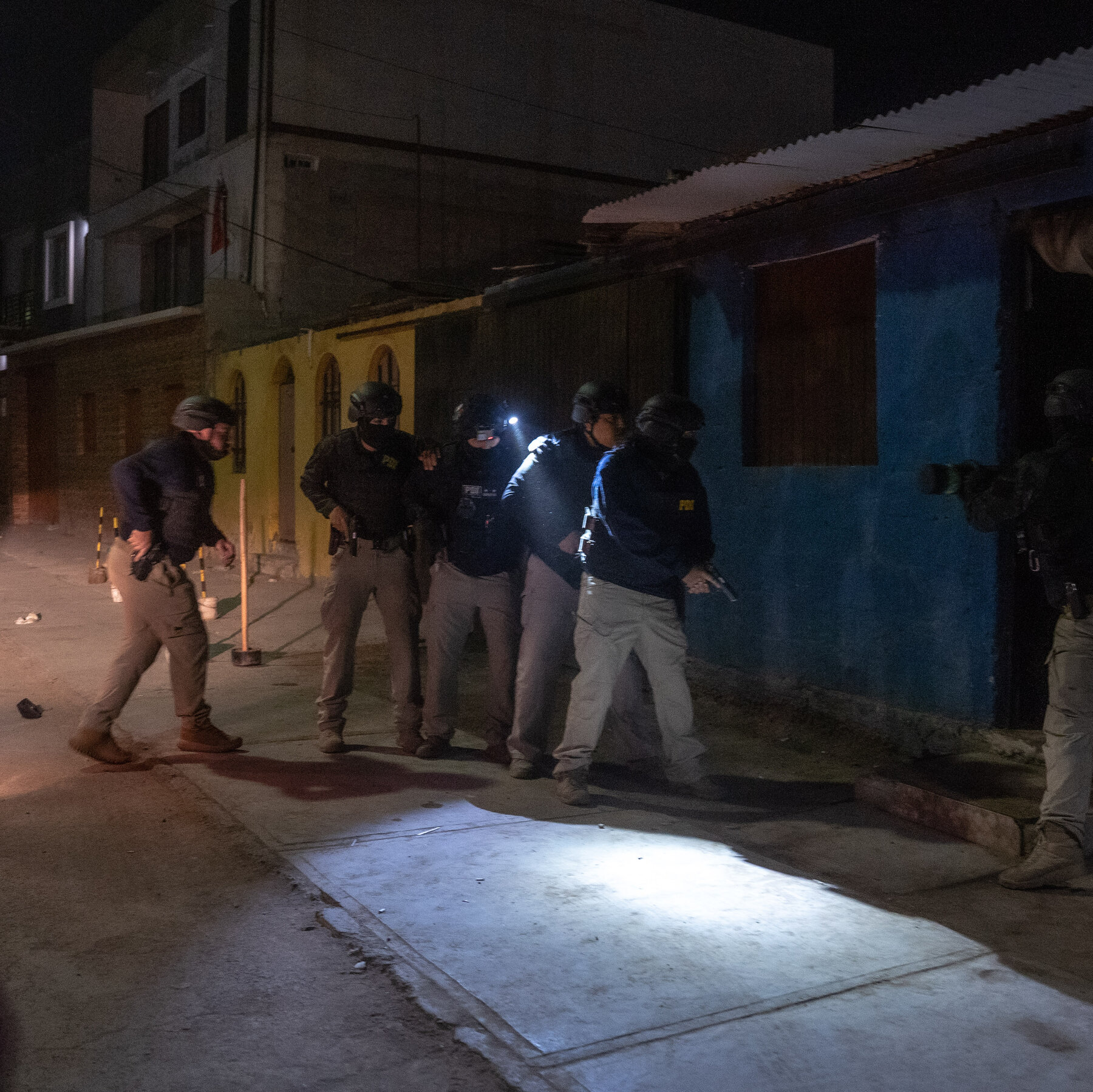
In the months leading up to the elections, citizens throughout Latin America have placed security at the top of their political agenda. Rising homicide rates, gang activity, and a perception of ineffective policing have fueled a climate of fear that many voters say is “unacceptable” and demands swift, decisive action.
Chile, traditionally viewed as a moderate democracy, is now feeling the pressure of this security wave. Recent polls show a clear tilt toward parties promising “iron‑fisted” measures, with law‑and‑order platforms gaining traction over centrist or left‑leaning alternatives. Analysts argue that the electorate’s desire for tougher crime policies is pushing the nation further to the right than any election in recent memory.
Chile is not an isolated case. From Brazil to Colombia, voters are rewarding candidates who pledge harsher penalties, increased police funding, and stricter border controls. This regional swing reflects a broader sentiment that economic progress alone cannot compensate for the feeling of insecurity that pervades daily life.
If the right‑wing coalition secures a decisive victory in Chile, the country could see a series of legislative reforms aimed at expanding police powers, revising sentencing guidelines, and allocating more resources to anti‑gang initiatives. Critics warn that such measures risk undermining civil liberties, while supporters argue they are essential to restore public confidence.
As the election draws near, the balance between security and freedom will dominate the national conversation, shaping Chile’s political future and setting a precedent for the rest of Latin America.