Aydın,
-4°C
açık

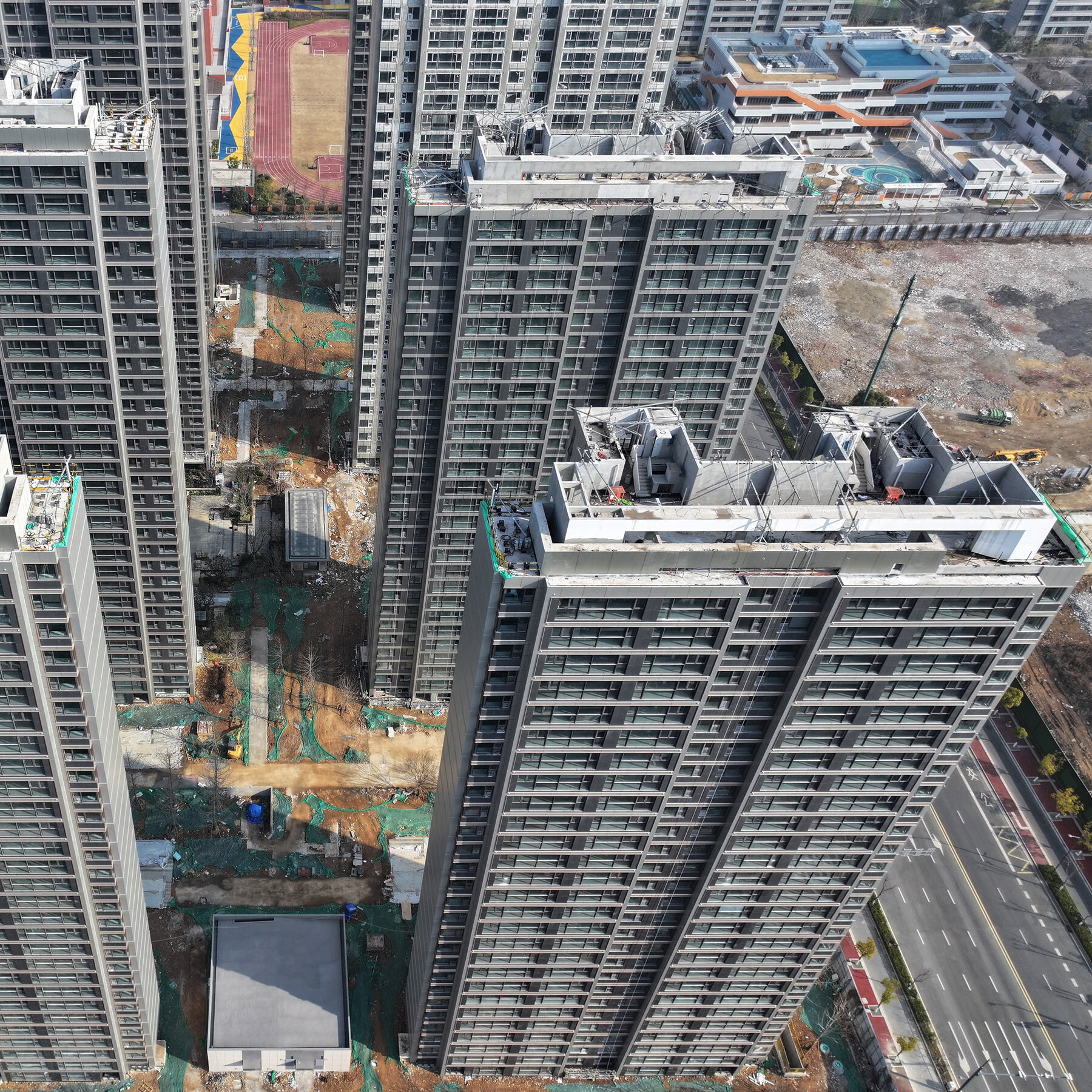
A comprehensive investment index recorded a decline of more than 10 % in November, marking the first overall contraction in the sector since the early 1990s. The drop continues a reversal that began earlier this year, underscoring the severity of China’s long‑running real‑estate slump.
The index, which aggregates fixed‑asset spending across manufacturing, construction, and services, fell 10.3 % from the previous month. By contrast, the same period a year ago saw a modest growth of 2.1 %.
Within the broader index, the property‑related component was the most affected, contracting by roughly 12 % in November alone. This mirrors a pattern of falling sales, stalled projects, and mounting debt among developers.
Analysts point to several intertwined factors:
The investment slowdown threatens to dampen GDP growth, given that fixed‑asset spending traditionally accounts for about a third of China’s economic output. A prolonged decline could also exacerbate unemployment in construction‑heavy regions and increase pressure on local government finances.
While some policymakers advocate for targeted stimulus and easing of financing constraints, the scale of the downturn suggests that a swift recovery may be challenging. Observers caution that without decisive reforms in the property market, the investment slump could persist into 2026.