Aydın,
6°C
parçalı bulutlu

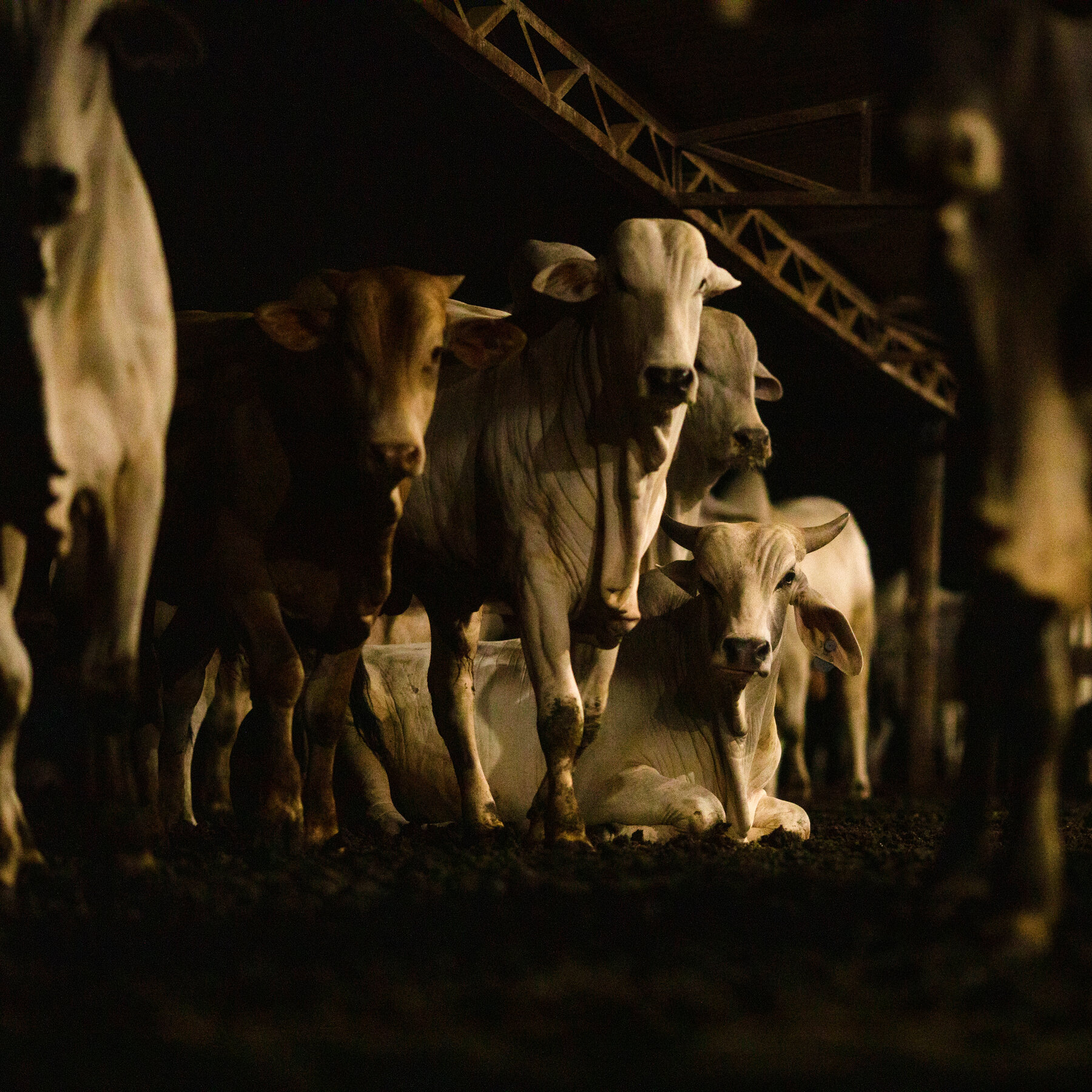
The beef sector is facing a new reality after two recent legal settlements that demand concrete proof for any “climate‑friendly” or “low‑emission” labels on its products. Until now, many producers have relied on vague promises and self‑certified metrics to attract environmentally conscious consumers. The rulings change that landscape, requiring transparent, verifiable data to back any sustainability claims.
California class‑action lawsuit – A group of consumers filed a suit alleging that major beef brands misled shoppers by marketing their meat as “climate‑friendly” without providing scientific evidence. The settlement obliges the companies to:
United Kingdom consumer‑protection case – The Competition and Markets Authority (CMA) reached an agreement with several UK‑based beef processors after a complaint that “low‑carbon” labels were based on unsubstantiated claims. The settlement requires the firms to:
“This is a wake‑up call for the entire supply chain,” said Dr. Maya Patel, a food‑systems researcher at the University of Melbourne. “Producers can no longer rely on marketing hype; they must invest in real, measurable reductions in emissions.”
Major producers such as PrimePasture Corp. and GreenRanch Ltd. have announced plans to upgrade their data‑tracking systems and to partner with carbon‑accounting firms. However, critics argue that the added compliance costs could translate into higher retail prices for consumers.
Consumers can now expect more transparency on beef packaging. Labels will feature specific numbers—e.g., “120 kg CO₂‑e per kilogram of beef”—instead of generic statements like “eco‑friendly” or “sustainably raised.” This shift empowers buyers to make informed decisions based on quantifiable data.
The settlements set a precedent that may extend beyond beef to other meat and dairy sectors. If successful, the new verification framework could become a model for global standards, pushing the entire food industry toward genuine climate accountability.