Aydın,
3°C
açık

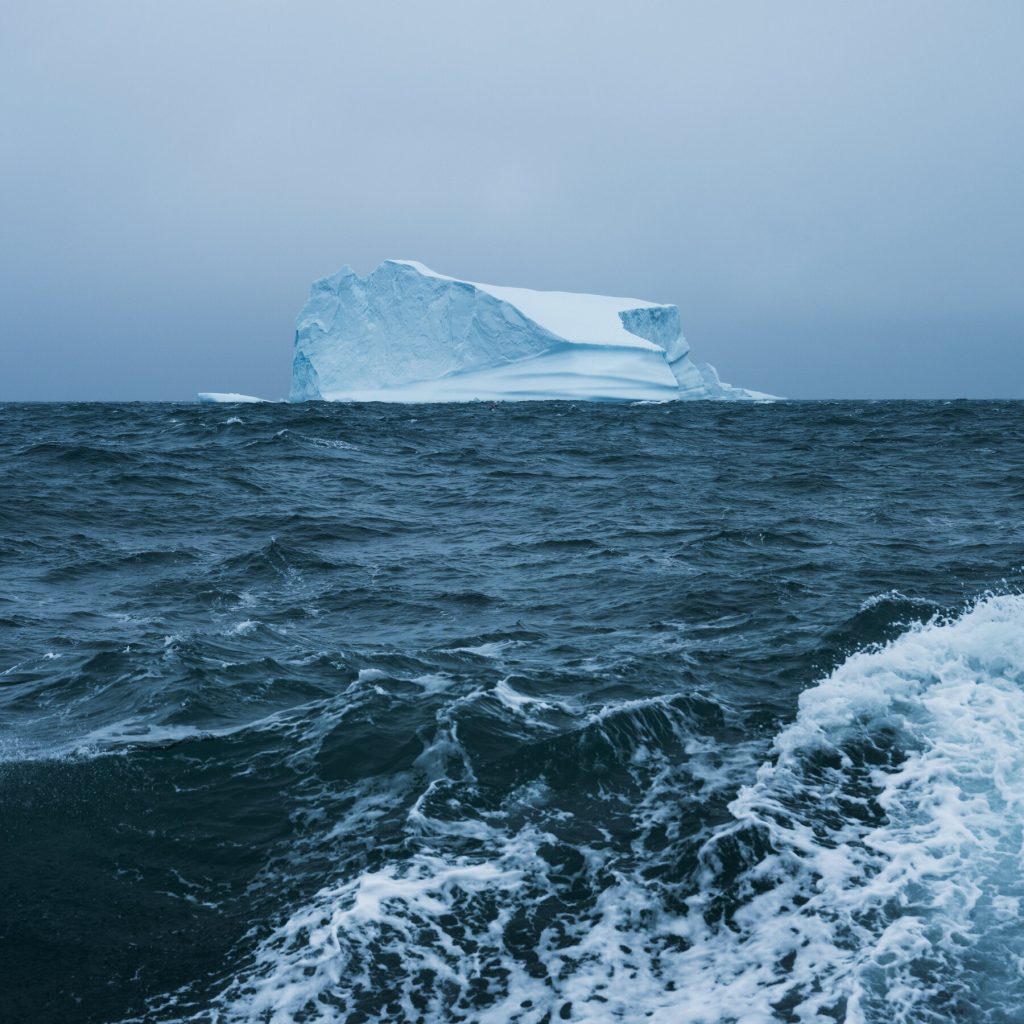
The United States has dramatically altered its Arctic strategy under President Donald Trump. While previous administrations emphasized scientific research and environmental protection, the current approach prioritizes oil and gas development in the region’s untapped hydrocarbon reserves.
Proponents argue that exploiting Arctic resources could boost the national economy, create jobs, and reduce dependence on foreign energy supplies. The administration has pledged to streamline permitting processes, increase offshore drilling allowances, and encourage private investment in the high‑latitude frontier.
At the same time, a growing chorus of climate scientists is issuing more dire warnings about the fragile Arctic ecosystem. Recent studies highlight accelerating ice melt, permafrost thaw, and the release of methane—a potent greenhouse gas—that could exacerbate global warming. Researchers caution that rapid commercial exploitation may trigger irreversible damage to wildlife habitats, indigenous livelihoods, and the planet’s climate balance.
The divergent goals have sparked intense debate in Washington and beyond. Environmental groups are filing lawsuits to halt new drilling permits, while industry lobbyists are lobbying Congress for tax incentives and subsidies. Meanwhile, indigenous communities—who have lived in the Arctic for millennia—are voicing concerns over potential cultural and health impacts.
The United States is not alone in eyeing the Arctic’s resources. Nations such as Russia, Canada, and Norway are also expanding their Arctic footprints, raising questions about geopolitical competition and the need for collaborative governance. International bodies, including the Arctic Council, are under pressure to reconcile economic ambitions with the imperative to protect a region that serves as a critical indicator of Earth’s climate health.
As the Trump administration pushes forward with its commercial agenda, the balance between economic growth and environmental stewardship remains uncertain. The coming months will likely see heightened legal battles, policy revisions, and public scrutiny, all shaping the future of the Arctic—an area whose fate could reverberate across the globe.