Aydın,
10°C
parçalı bulutlu

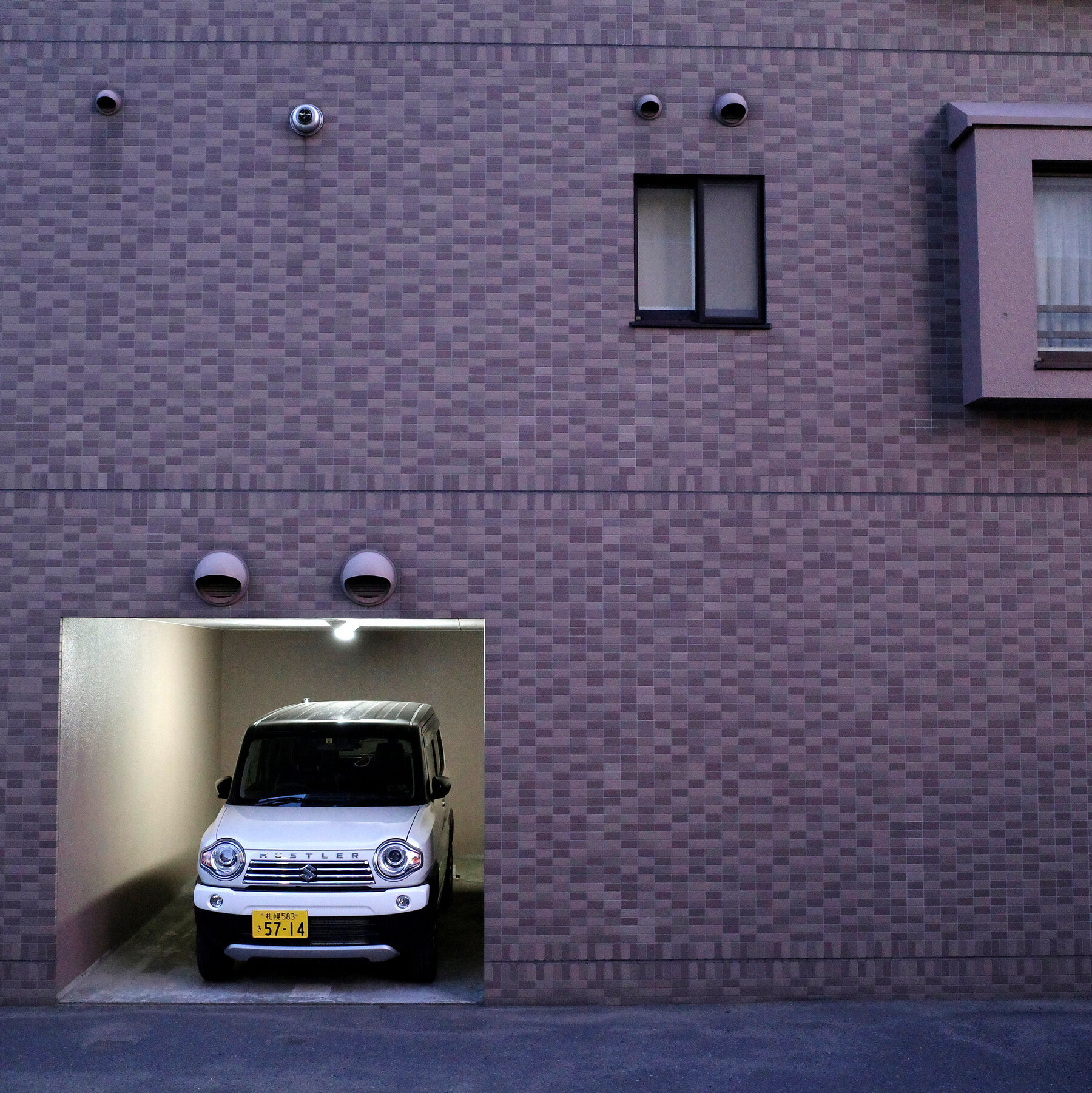
Since taking office, President Donald Trump has repeatedly urged the administration to green‑light the domestic production of Japan’s compact, fuel‑efficient vehicles—often dubbed “tiny cars.” The president argues that allowing these models to be built in U.S. factories will create jobs, lower consumer prices, and give American drivers a broader range of affordable options.
Major American automakers have met the proposal with skepticism. Executives from the Detroit Three warn that importing Japanese design blueprints and tooling could undermine existing supply chains and erode the market share of larger, domestically produced models. “We’re not opposed to competition,” said a spokesperson for one automaker, “but we need a level playing field that respects existing trade agreements.”
Bringing Japanese micro‑cars to U.S. assembly lines is not as simple as signing an executive order. The cars must meet Federal Motor Vehicle Safety Standards, undergo emissions testing, and satisfy the National Highway Traffic Safety Administration’s (NHTSA) rigorous certification process. Moreover, existing tariffs and the United States‑Japan Trade Agreement impose additional layers of bureaucracy that could delay or even block the initiative.
American shoppers appear divided. While some praise the potential for lower‑priced, fuel‑savvy transportation, others fear that an influx of tiny cars could strain parking infrastructure in densely populated cities and alter the traditional automotive landscape. “If it means cheaper gas mileage, I’m all for it,” said one Chicago resident; “but I also love the space and power of a full‑size sedan,” countered a suburban driver.
Experts say the administration’s next steps will involve intensive negotiations with Japanese manufacturers, detailed impact studies, and possibly new legislative proposals to address safety and environmental concerns. Until those hurdles are cleared, the vision of a U.S. factory humming with the production of Japan’s smallest cars remains far from certain.