Aydın,
-4°C
açık

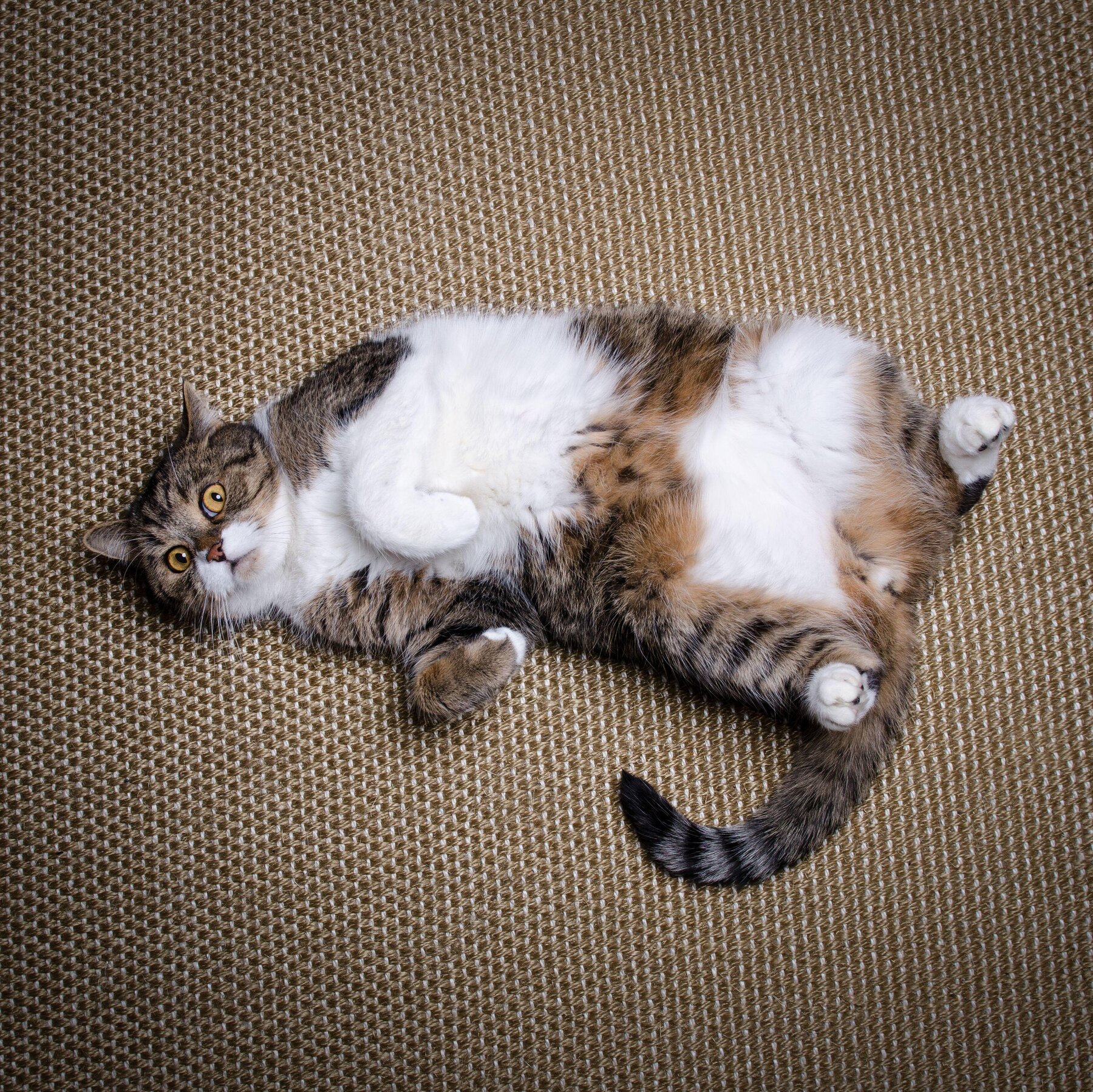
Obesity is a growing problem not only for people but also for their feline companions. As GLP‑1 agonists like semaglutide and tirzepatide dominate headlines for human weight‑loss and diabetes management, researchers are asking whether the same class of drugs could help overweight cats shed excess pounds and improve their health.
GLP‑1 (glucagon‑like peptide‑1) drugs mimic a natural hormone that regulates appetite, insulin secretion, and blood sugar. In humans, they have proven to be highly effective at reducing body weight and controlling type 2 diabetes. The mechanism—slowing gastric emptying, enhancing satiety, and improving glucose metabolism—makes them attractive candidates for veterinary use.
According to the American Veterinary Medical Association, more than 30 % of domestic cats in the United States are classified as overweight or obese. This condition is linked to a cascade of health issues, including diabetes, arthritis, and reduced lifespan. Pet owners, frustrated by limited dietary options and the difficulty of increasing feline activity levels, see GLP‑1 drugs as a potential “pharmaceutical shortcut.”
Preliminary studies in laboratory settings have shown that low‑dose GLP‑1 analogues can modestly reduce food intake in cats without obvious side effects. However, veterinarians caution that the data are still sparse, and long‑term safety remains unknown. Potential risks include gastrointestinal upset, pancreatitis, and unexpected interactions with existing medications.
Pharmaceutical companies are already filing patents for “pet‑specific” formulations of GLP‑1 drugs, and a handful of veterinary clinics have begun enrolling cats in controlled trials. If larger studies confirm efficacy and safety, we could see a new market emerge—one where a cat owner’s prescription pad looks remarkably similar to a human’s.
Until then, experts advise that the cornerstone of feline weight management remains a balanced diet, regular veterinary check‑ups, and encouraging play. “Medication should never replace good nutrition and lifestyle,” says Dr. Laura Mendes, a board‑certified veterinary internist, “but it could become a valuable tool in the right cases.”