Aydın,
10°C
parçalı bulutlu

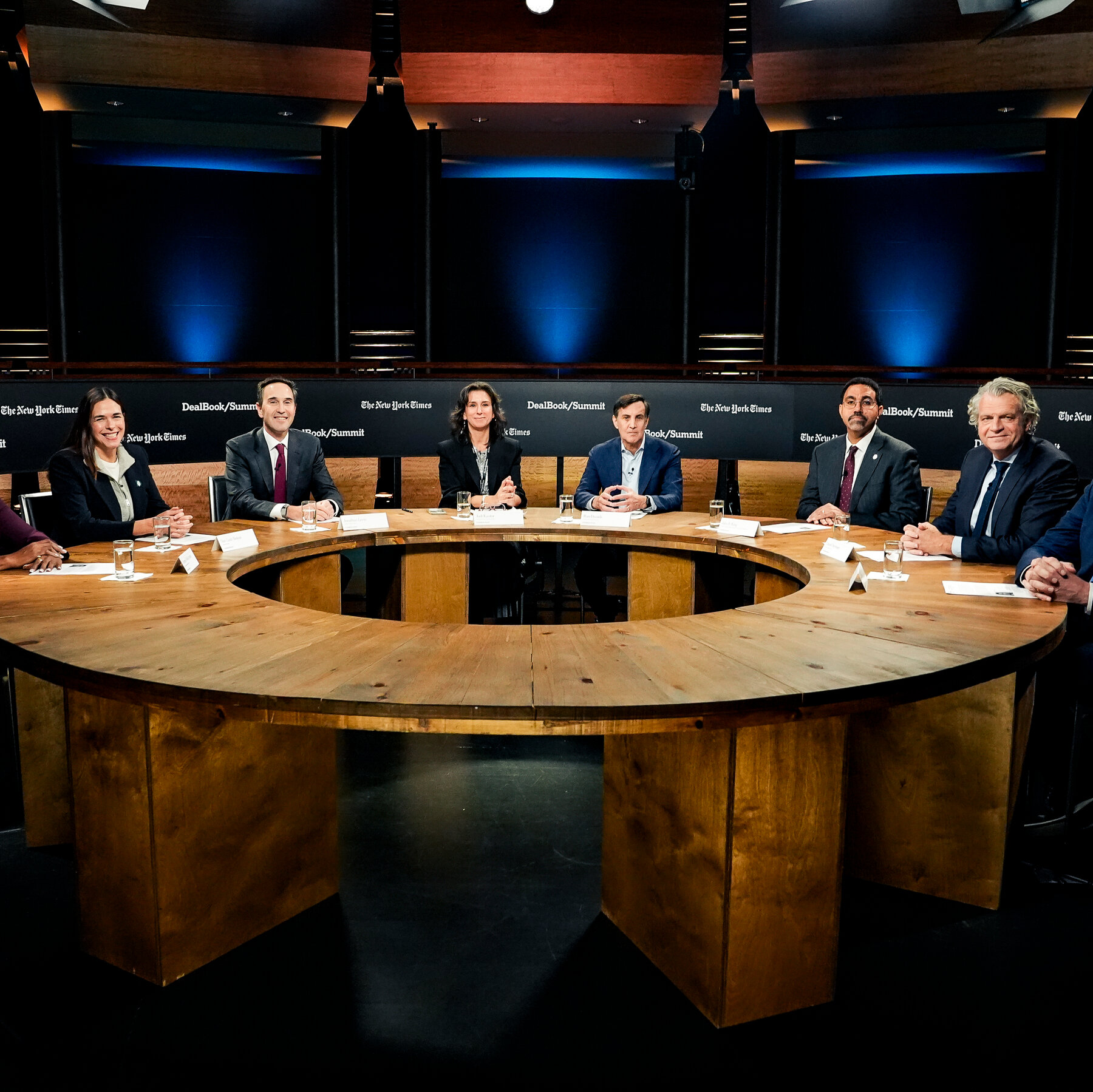
At the recent DealBook Summit, a group of college and university presidents, provosts, and senior administrators gathered to examine the evolving landscape of higher education. While the conversation covered a range of topics, two themes emerged as particularly urgent: increasing government scrutiny and the need to equip graduates for an unpredictable, technology‑driven future.
Regulatory demands are climbing across the United States, with lawmakers and education agencies tightening reporting requirements, funding formulas, and accountability metrics. “We’re being asked to demonstrate outcomes in ways that were unheard of a decade ago,” said one university chancellor, noting that compliance now consumes a substantial portion of institutional resources.
Beyond compliance, the panelists stressed that the core mission of universities—to ready students for the workforce—has never been more complex. Rapid advances in artificial intelligence, remote collaboration tools, and a shifting global economy mean that traditional curricula must evolve quickly.
“Our graduates can’t just master theory; they need adaptability, digital fluency, and interdisciplinary thinking,” explained a dean of a leading public university. He added that institutions are experimenting with micro‑credentials, experiential learning hubs, and industry‑partnered projects to bridge the gap between classroom and real‑world demands.
To address these twin pressures, the leaders advocated for stronger collaboration among institutions, policymakers, and the private sector. Initiatives such as shared data platforms, joint research ventures, and coordinated advocacy efforts were highlighted as ways to amplify impact while reducing redundant administrative burdens.
“We’re at a crossroads,” concluded the summit’s moderator. “The choices we make today will shape not only the future of higher education but also the readiness of the next generation to thrive in a rapidly changing world.”