Aydın,
-4°C
açık

In recent years, the United States has redirected a substantial portion of its drug‑enforcement resources toward curbing the flow of fentanyl, the synthetic opioid responsible for a surge in overdose deaths. This strategic shift has unintentionally created a vacuum in the fight against other illicit substances.
With less attention on traditional drug routes, traffickers have seized the opportunity to expand cocaine operations throughout Latin America. The result is a noticeable spike in shipments heading north, as cartels adapt to the new enforcement landscape.
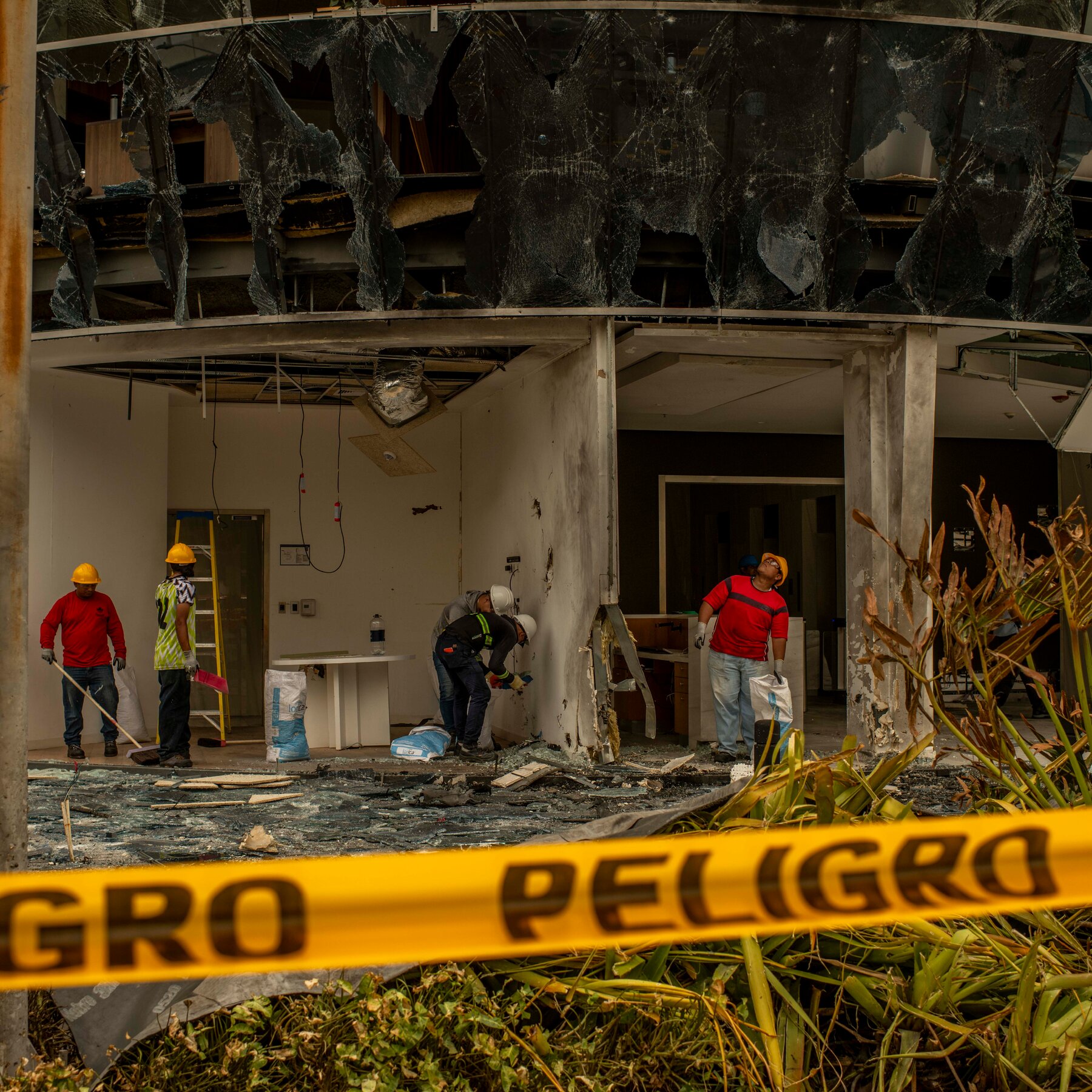
One of the most affected countries is Ecuador, where organized crime groups have proliferated along the Pacific coast and inland corridors. Communities report an increase in violent confrontations, a rise in street-level sales, and a surge in the number of seized cocaine shipments.
The pivot toward fentanyl control highlights a broader challenge: focusing on a single drug can inadvertently empower other illicit markets. Experts warn that without a balanced approach, Latin American nations may continue to grapple with escalating cocaine‑related violence and corruption.