Aydın,
-4°C
açık

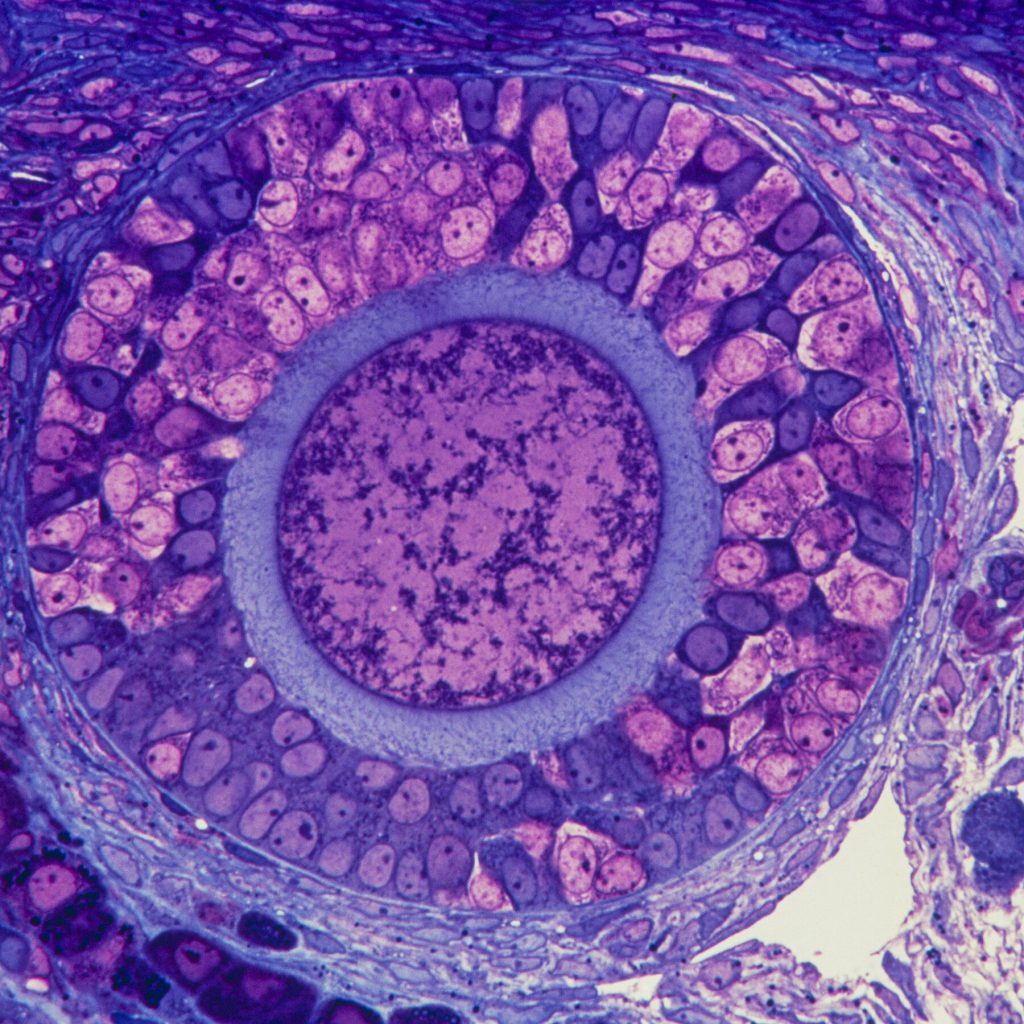
Recent research highlights that the egg may be the leading lady, but she needs her supporting cast.
The traditional view of female reproductive health has long focused on the egg—the oocyte that ultimately meets the sperm. However, new studies from leading reproductive endocrinologists suggest that the ovary itself plays an equally critical role in determining both fertility potential and the rate of biological aging.
A collaborative effort between the University of Cambridge and the Mayo Clinic examined ovarian tissue from more than 200 women ranging from their early 20s to late 40s. Researchers measured:
Results showed that women with healthier ovarian environments—characterized by robust follicle reserves and low senescence markers—maintained higher fertility rates and displayed slower signs of systemic aging, even when the number of viable eggs was comparable.
These insights shift the narrative from “saving the egg” to “protecting the ovary.” Practical takeaways include:
Dr. Elena Martinez, a reproductive biologist at the University of Cambridge, remarked, “The egg is certainly the star of the show, but without a well‑maintained stage—the ovary—its performance is compromised.”
Similarly, Dr. James Liu from the Mayo Clinic added, “Our data suggest that interventions aimed at preserving ovarian tissue health could have far‑reaching effects, not just for fertility but also for overall aging trajectories.”
As the field of reproductive medicine evolves, the focus is expanding from merely counting eggs to nurturing the entire ovarian ecosystem. By recognizing the ovary’s pivotal role, clinicians hope to develop more holistic approaches that support women’s reproductive goals while also promoting healthier aging.