Aydın,
10°C
parçalı bulutlu

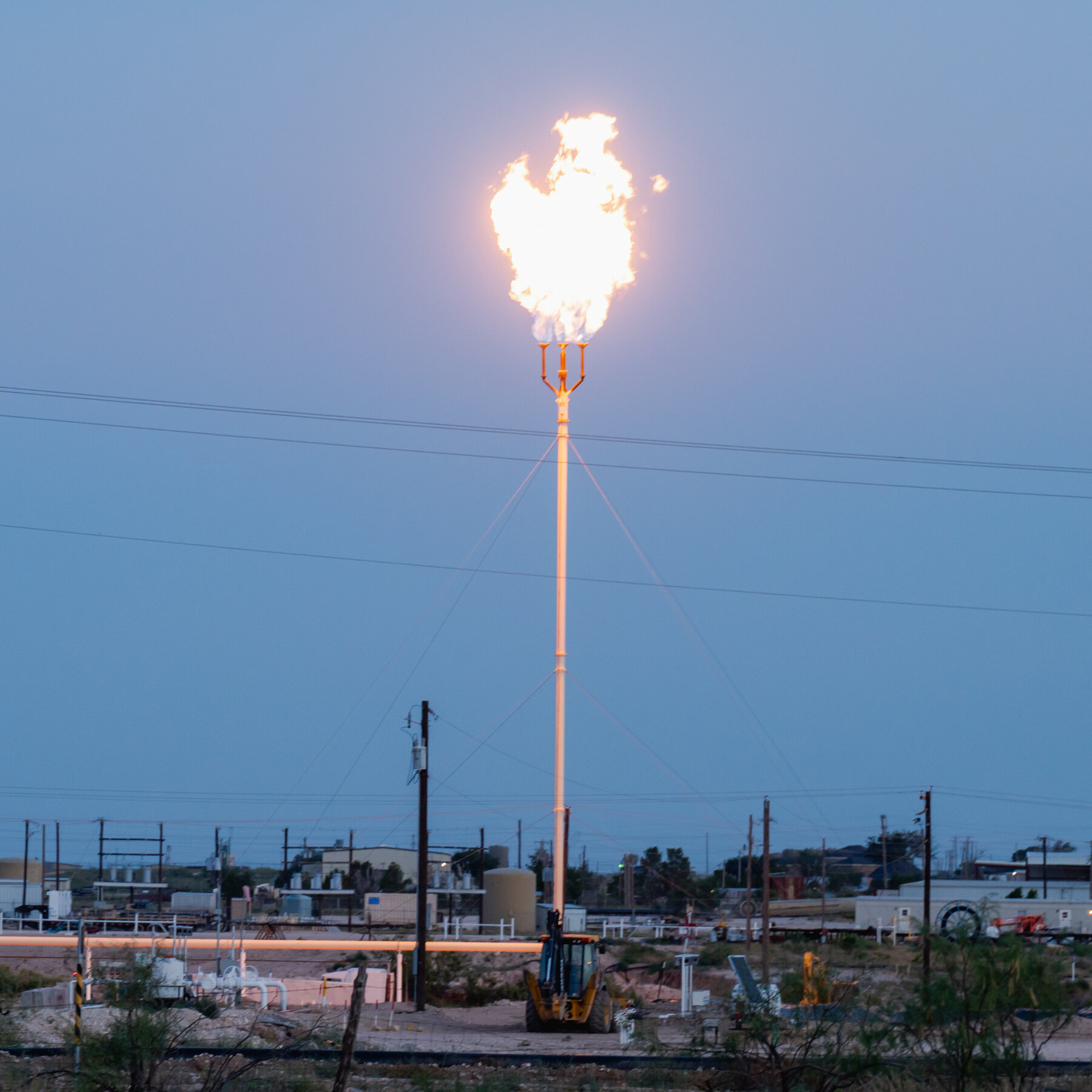
The Environmental Protection Agency announced that it will postpone the enforcement date for the new regulations that require oil and gas companies to curb methane emissions, a greenhouse gas far more potent than carbon dioxide. The agency said the additional time is intended to give operators a chance to meet the standards, but it also signaled that the rule could be reconsidered or even cancelled if compliance proves too burdensome.
Methane (CH4) traps heat in the atmosphere roughly 28–36 times more effectively than carbon dioxide over a 100‑year horizon. Leaks from drilling sites, pipelines, and processing facilities account for a substantial share of U.S. emissions, making it a critical target for climate‑action strategies.
Under the original schedule, operators were required to begin implementing monitoring, detection, and repair measures by early 2024. The E.P.A. has now pushed the start date to mid‑2025, giving companies an extra 18 months to upgrade equipment, train staff, and develop compliance plans.
Industry groups have welcomed the extension, arguing that the rapid rollout of new technology and the need for clear guidance made the initial timeline unrealistic. Critics, however, warn that the postponement could undermine national climate goals and allow continued release of a gas that contributes significantly to global warming.
In a separate statement, the agency indicated that it is reviewing the rule’s overall feasibility. If the administration determines that the costs outweigh the environmental benefits, the E.P.A. may revoke the requirement altogether. Such a move would represent a major shift in U.S. climate policy and could affect future regulatory approaches to other potent gases.
The E.P.A. will hold a series of public workshops and comment periods over the coming months to gather feedback from stakeholders. Companies are advised to begin preparing now—by enhancing leak detection systems, investing in low‑emission technologies, and documenting mitigation efforts—to stay ahead of any final decision.