Aydın,
2°C
parçalı bulutlu

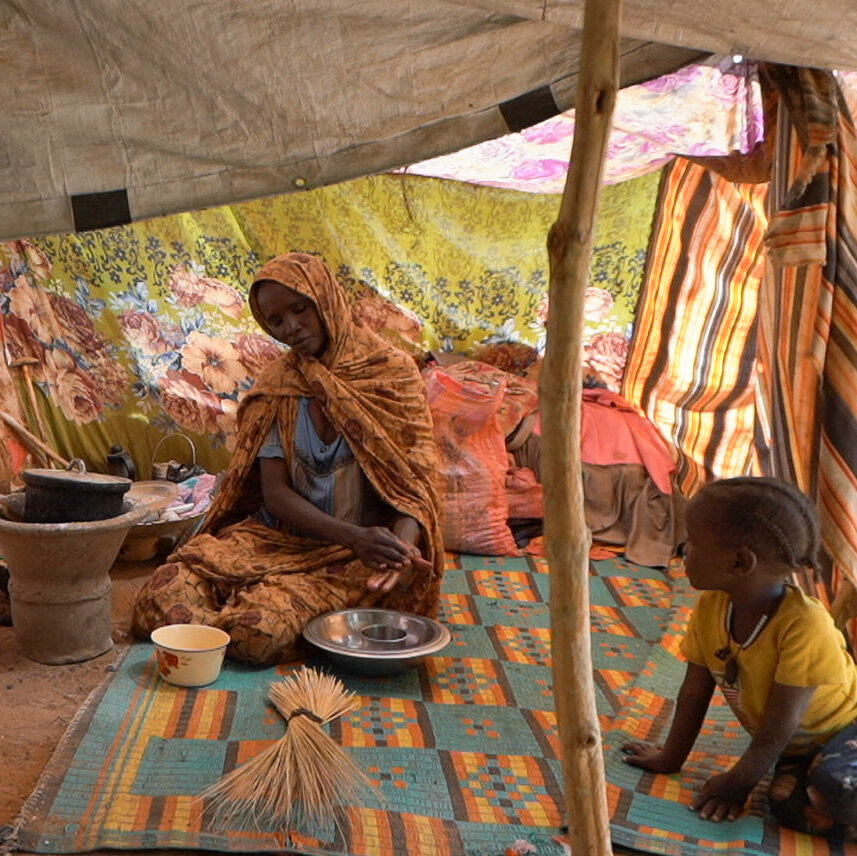
The European Union has organized an unprecedented air‑lift operation, sending at least eight cargo flights loaded with more than 110 tonnes of humanitarian supplies to the conflict‑riven region of Darfur. The flights, coordinated by the EU Civil Protection Mechanism, are intended to bypass overland bottlenecks and deliver food, medicine, and shelter materials directly to UN‑run distribution points.
Even with the aircraft touching down safely at Khartoum International Airport, the real challenge begins after the cargo is off‑loaded. Roads leading to Darfur’s most vulnerable districts are riddled with land‑mines, broken bridges, and frequent checkpoints controlled by armed groups. Transport convoys must therefore navigate a maze of security permits and unpredictable road conditions, which can delay deliveries by days or even weeks.
Humanitarian workers face a volatile security environment. Recent clashes between the Sudanese Armed Forces and rebel militias have intensified in the western provinces, raising the risk of attacks on aid convoys. Moreover, the Sudanese transitional government has been slow to grant the necessary clearances for the EU’s “air bridge,” citing concerns over sovereignty and the potential for aid to be diverted to combatants.
Local NGOs and community leaders have welcomed the influx of supplies, but they caution that without a reliable distribution network, much of the aid could end up stranded in warehouses. The EU has pledged to work closely with the United Nations Office for the Coordination of Humanitarian Affairs (OCHA) and Sudanese authorities to establish “last‑mile” delivery hubs, but the success of these plans hinges on sustained security guarantees and swift bureaucratic approvals.
In the coming weeks, the EU plans to dispatch additional flights and to mobilize a fleet of armored trucks for the most dangerous routes. International donors are being urged to match the EU’s effort with financial contributions that can support fuel, vehicle maintenance, and the training of local staff. As the situation evolves, the critical question remains: can the massive air‑bridge translate into tangible relief for the millions of Darfuris who continue to endure hunger, disease, and displacement?