Aydın,
10°C
parçalı bulutlu

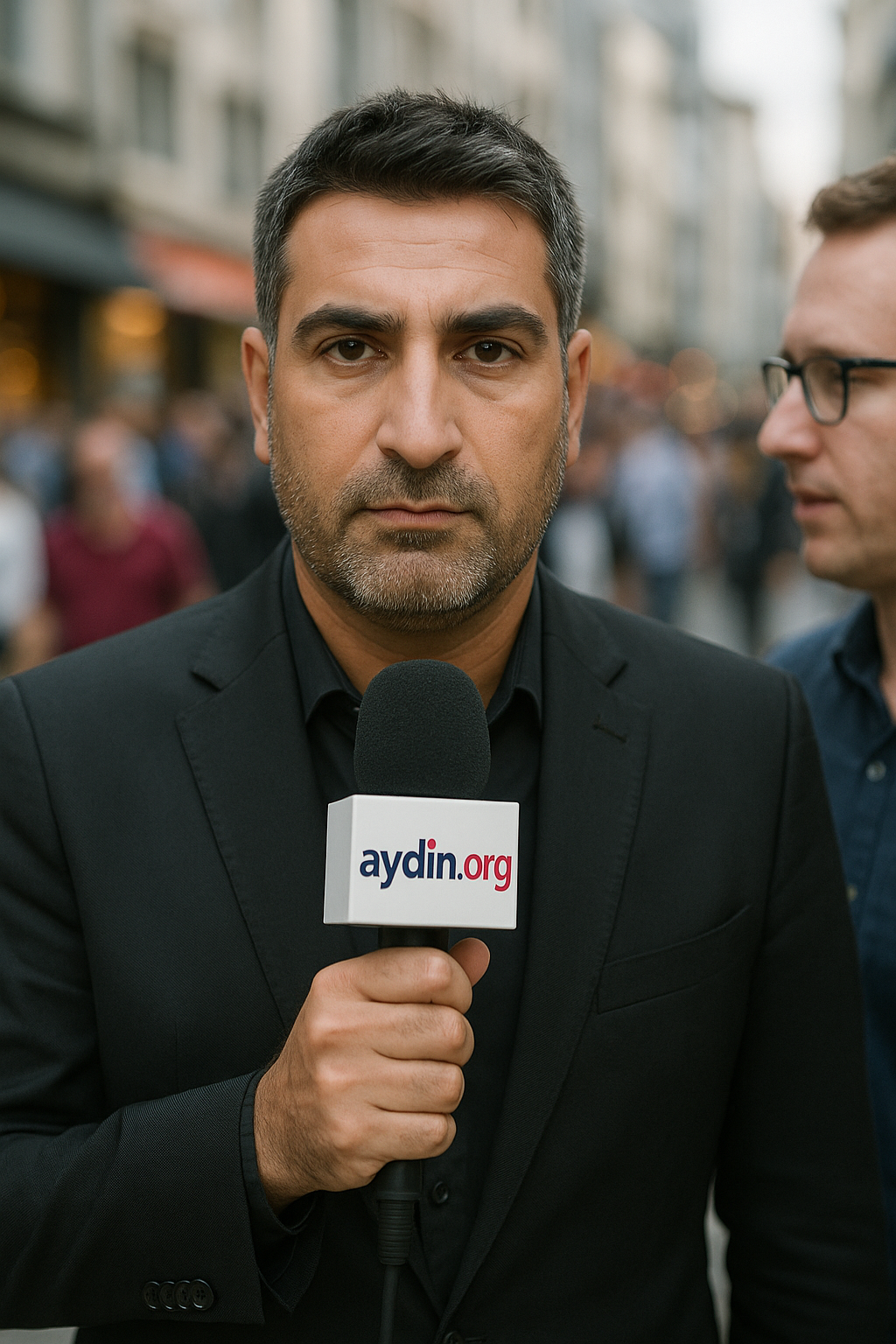
In the past few months, a wave of artificial‑intelligence video generators has taken social platforms by storm. Among them, OpenAI’s Sora has emerged as a frontrunner, allowing anyone with a few clicks to create lifelike clips that look as if they were filmed yesterday.
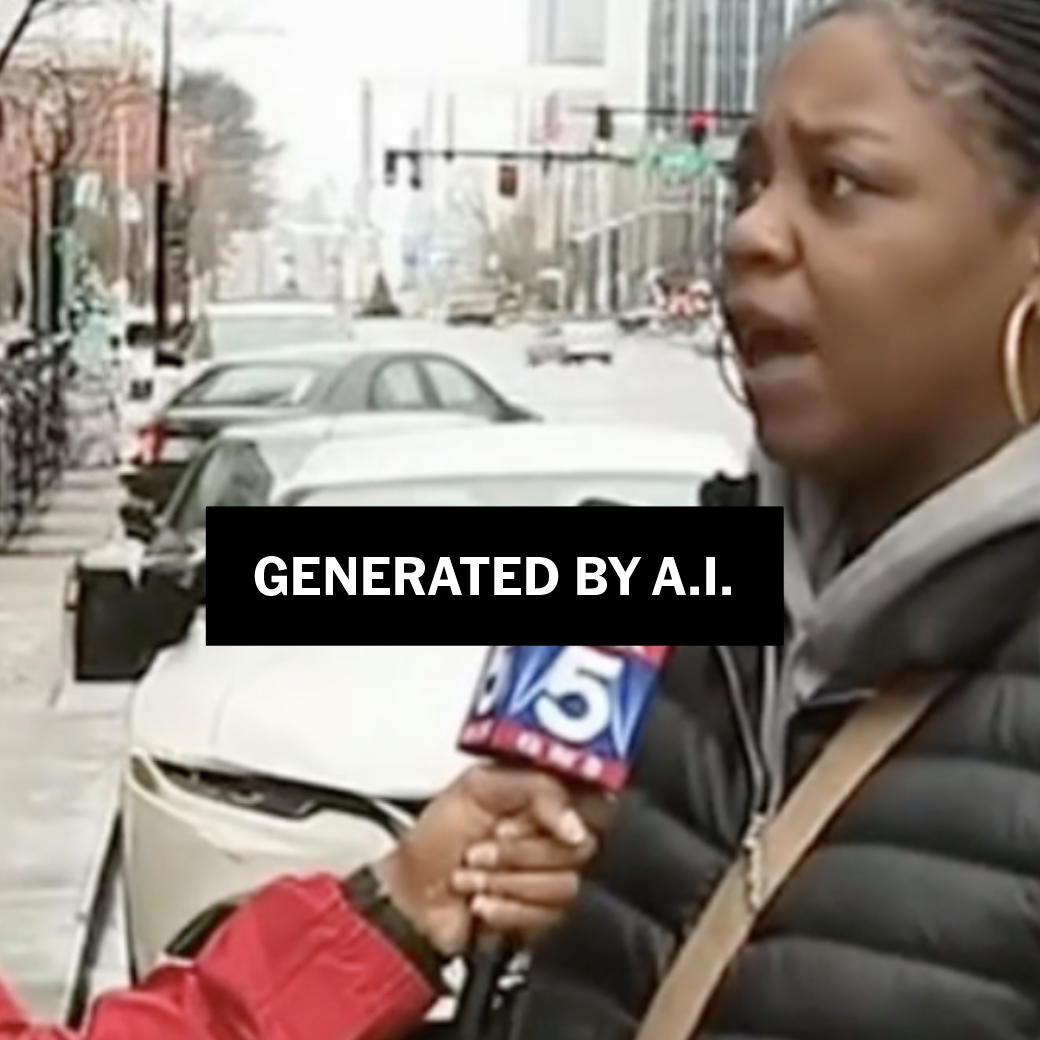
What makes Sora especially concerning is its ability to produce content that appears authentic even when a small warning label is attached. Users scroll through TikTok, Instagram Reels, and YouTube Shorts, seeing videos of celebrities saying things they never actually said, or of events that never happened, and many assume they are genuine.
OpenAI includes a faint watermark or a brief disclaimer at the bottom of each generated video. However, the visual quality and seamless editing often drown out these cues. Studies show that viewers typically focus on the main image and audio, overlooking small text that might be placed in a corner.
Psychologists note that the brain processes moving images far more quickly than static text, which explains why millions are being misled despite the presence of “AI‑generated” tags.
Social media giants are scrambling to adapt. Twitter (now X) has rolled out an AI‑content detection algorithm, while TikTok announced a partnership with fact‑checking organizations to flag suspicious videos. Yet, the sheer volume of uploads—estimated at millions per day—means that many slip through the cracks.
Content creators, too, feel the pressure. Some have begun adding their own transparent disclosures to avoid accusations of deception, while others argue that heavy labeling stifles creativity.
The proliferation of AI‑generated video raises several red flags:
Experts suggest a multi‑pronged approach: stronger platform policies, improved detection tools, and widespread media‑literacy education to help users spot tell‑tale signs of AI manipulation.
As AI video generators like Sora become more accessible, the digital landscape is entering an era where seeing is no longer believing. While warning labels are a step in the right direction, they alone cannot protect a public that is still learning how to navigate a world of hyper‑real synthetic media.