Aydın,
16°C
kapalı

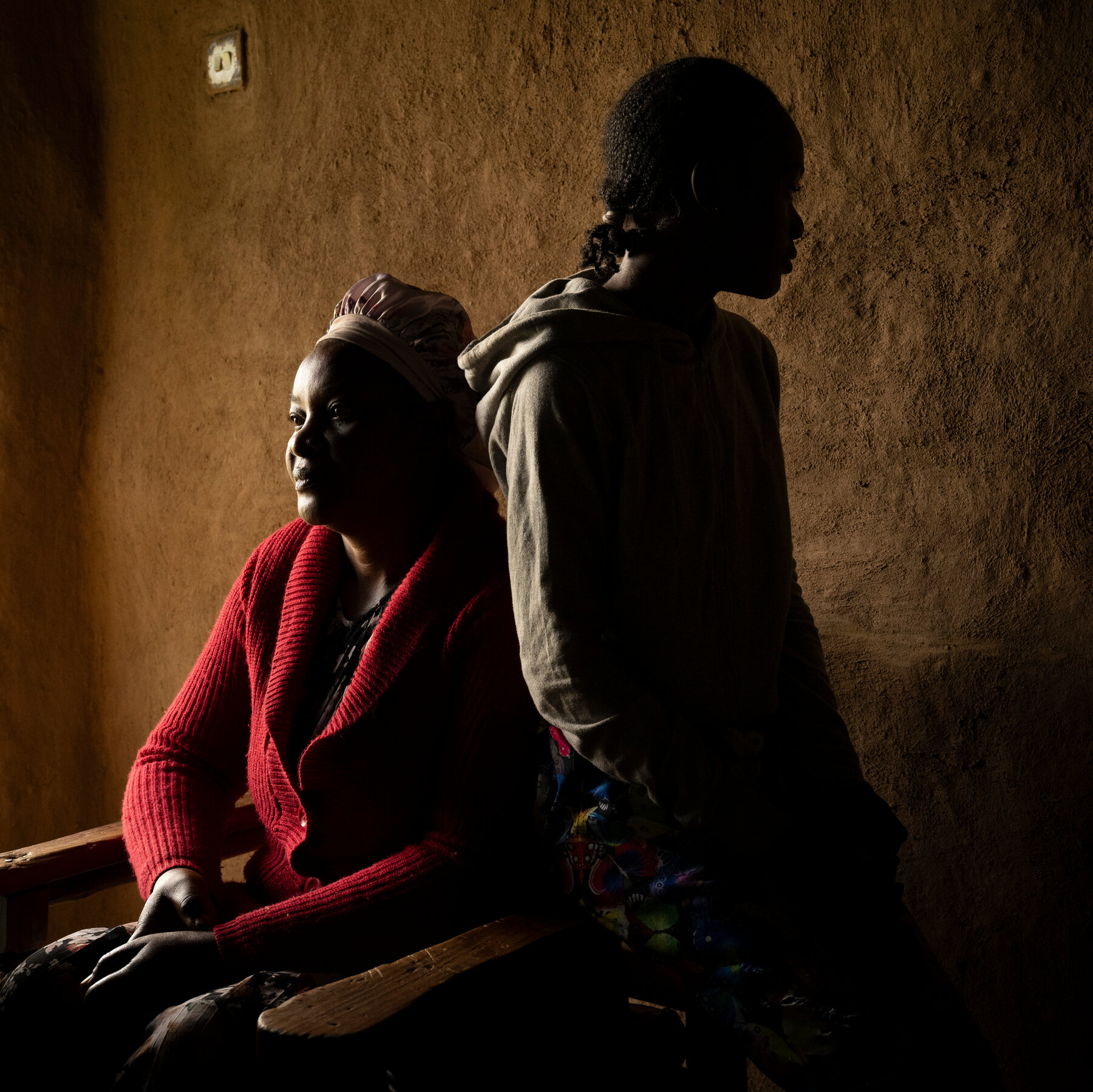
In recent months, dozens of single mothers and their children have found themselves caught in a complex web of immigration restrictions and legal hurdles in Saudi Arabia. The situation has sparked international concern, with human‑rights groups warning that families are being left in limbo for months, sometimes years.
Amira Al‑Hussein, a 34‑year‑old single mother from Egypt, discovered that her 12‑year‑old daughter, Laila, was being held at a detention centre in Riyadh after a routine visa renewal was denied. Determined not to let her child become another statistic, Amira launched a relentless campaign to secure Laila’s release.
The Saudi legal system requires foreign nationals to have a sponsor (kafala) and a valid residence permit (iqama). When Amira’s sponsorship paperwork was mistakenly flagged, authorities placed Laila under temporary custody pending an investigation. The process can take up to 90 days, but Amira’s case has already stretched beyond that timeframe.
Human‑rights organisations, including Amnesty International and the International Federation for Human Rights (FIDH), have issued statements urging the Saudi government to expedite the case. “Every child deserves the right to be with their parent, regardless of bureaucratic technicalities,” said a spokesperson for Amnesty International.
Amira turned to social media, launching the hashtag #FreeLaila. Within a week, the post garnered over 150,000 shares, drawing attention from journalists, lawmakers, and celebrities. A petition on Change.org quickly amassed more than 80,000 signatures, prompting the Egyptian embassy in Riyadh to intervene on Amira’s behalf.
As of today, Saudi officials have scheduled a hearing for next Monday. While the outcome remains uncertain, Amira remains hopeful. “I will not rest until my daughter is safe in my arms again,” she told reporters, emphasizing that no mother should have to watch her child become a pawn in a bureaucratic maze.
Legal experts suggest that a swift resolution will depend on diplomatic pressure and the ability of Amira’s legal team to demonstrate compliance with Saudi residency regulations. Meanwhile, the case continues to serve as a stark reminder of the vulnerabilities faced by single parents navigating foreign immigration systems.