Aydın,
16°C
kapalı

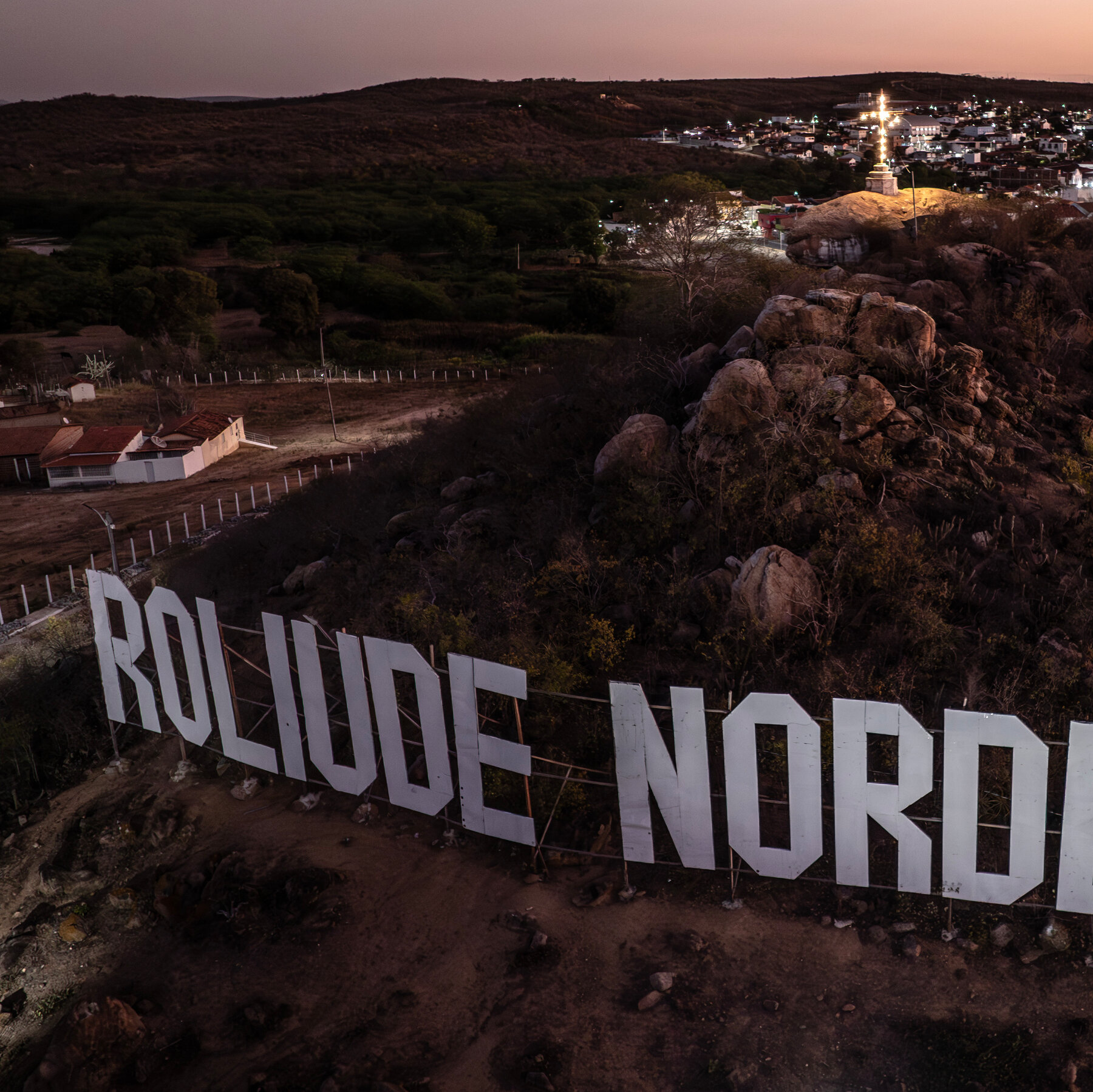
In the heart of Brazil’s arid northeast, the once‑overlooked town of Arraial do Sol has transformed into the country’s newest hub for film and television production. What was once a dusty backwater now buzzes with cameras, crew trucks, and the hopeful chatter of aspiring actors chasing their big break.
Directors are drawn to the region’s stark, sun‑bleached scenery, which offers a visual palette unlike any other part of Brazil. The endless horizons, cracked earth, and dramatic sunsets provide a natural backdrop that cinematographers describe as “a living canvas for storytelling.”
While the harsh environment adds cinematic flair, the escalating effects of climate change are turning the dream into a challenge. Recent years have seen prolonged droughts, water shortages, and soaring temperatures that threaten both the local population and the logistics of film shoots.
Production companies now face new hurdles: securing reliable water supplies for cast and crew, protecting equipment from extreme heat, and navigating unpredictable weather patterns that can delay shooting schedules.
To combat these obstacles, studios are turning to innovative technologies. Portable desalination units, solar‑powered generators, and eco‑friendly set designs are becoming standard practice on location. Additionally, virtual production techniques—using LED walls and real‑time rendering—allow filmmakers to recreate the region’s iconic vistas without exposing crews to the harshest conditions.
Local authorities and industry leaders are collaborating on a sustainability plan that aims to protect the fragile ecosystem while fostering economic development. Initiatives include:
Despite the challenges, optimism remains high. Filmmakers believe that the unique aesthetic of the northeast, combined with a growing pool of local talent, will continue to attract international projects. As the industry adapts, the dusty town of Arraial do Sol may well become a symbol of resilience—where dreams are filmed against a backdrop of both beauty and adversity.