Aydın,
6°C
açık

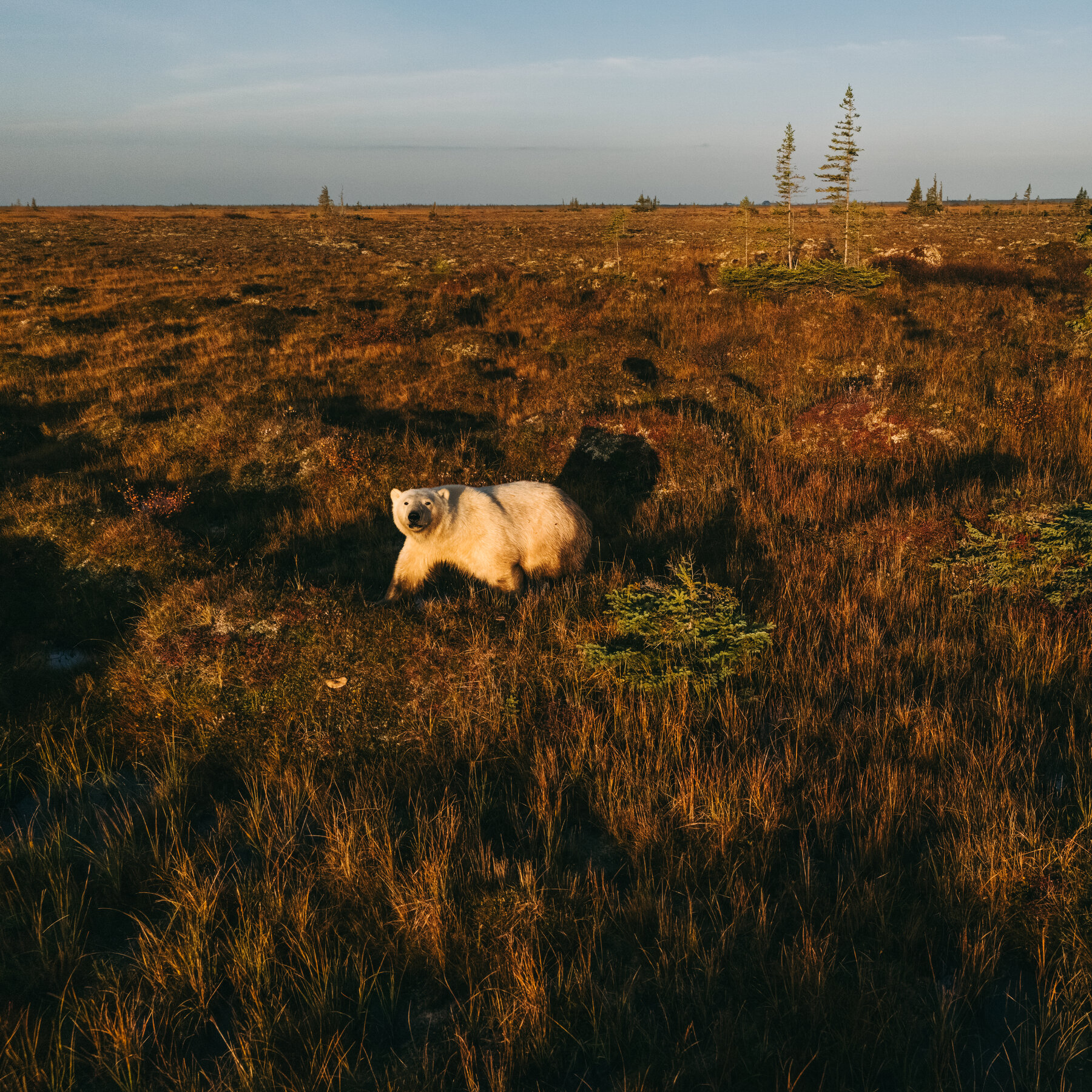
The remote town of Churchill, Manitoba—famed for its polar bear migrations—hosts two of Canada’s most important Arctic installations: the Port of Churchill on the Hudson Bay and the Canadian National Railway line that links the port to the national rail network. Together, they provide the nation with a rare year‑round gateway to the high north, essential for shipping minerals, supplies, and military equipment.
Despite their strategic value, both facilities have suffered from chronic under‑investment. The port’s aging pier and dockside equipment have become prone to breakdowns, while the rail line endures frequent track failures and outdated signalling systems. Local officials warn that without urgent upgrades, the infrastructure could become unreliable at a time when the Arctic is gaining global attention.
The Arctic is fast turning into a theatre of great‑power competition, with the United States, Russia, and China all seeking greater influence over its shipping routes and resource wealth. Canada’s ability to project sovereignty in the region now hinges on maintaining functional, secure logistics hubs. A deteriorating port and railway in Churchill would weaken Canada’s claim to the northern seas and hamper its capacity to respond to emergencies or defend its maritime borders.
In response to mounting pressure, the federal government announced a multimillion‑dollar revitalisation plan for the Churchill corridor. The program includes:
Prime Minister Justin Trudeau emphasized that “investing in Churchill is investing in Canada’s future in the Arctic,” signalling a renewed commitment to the north at a time when the region’s strategic importance is escalating.
As climate change continues to open new navigation routes and the race for Arctic resources intensifies, Churchill’s revitalised infrastructure could become a cornerstone of Canada’s northern defence strategy. The success of the upgrades will depend on timely execution, sustained funding, and close collaboration with the town’s residents, who have long been the custodians of the “World’s Polar Bear Capital.”