Aydın,
13°C
parçalı az bulutlu

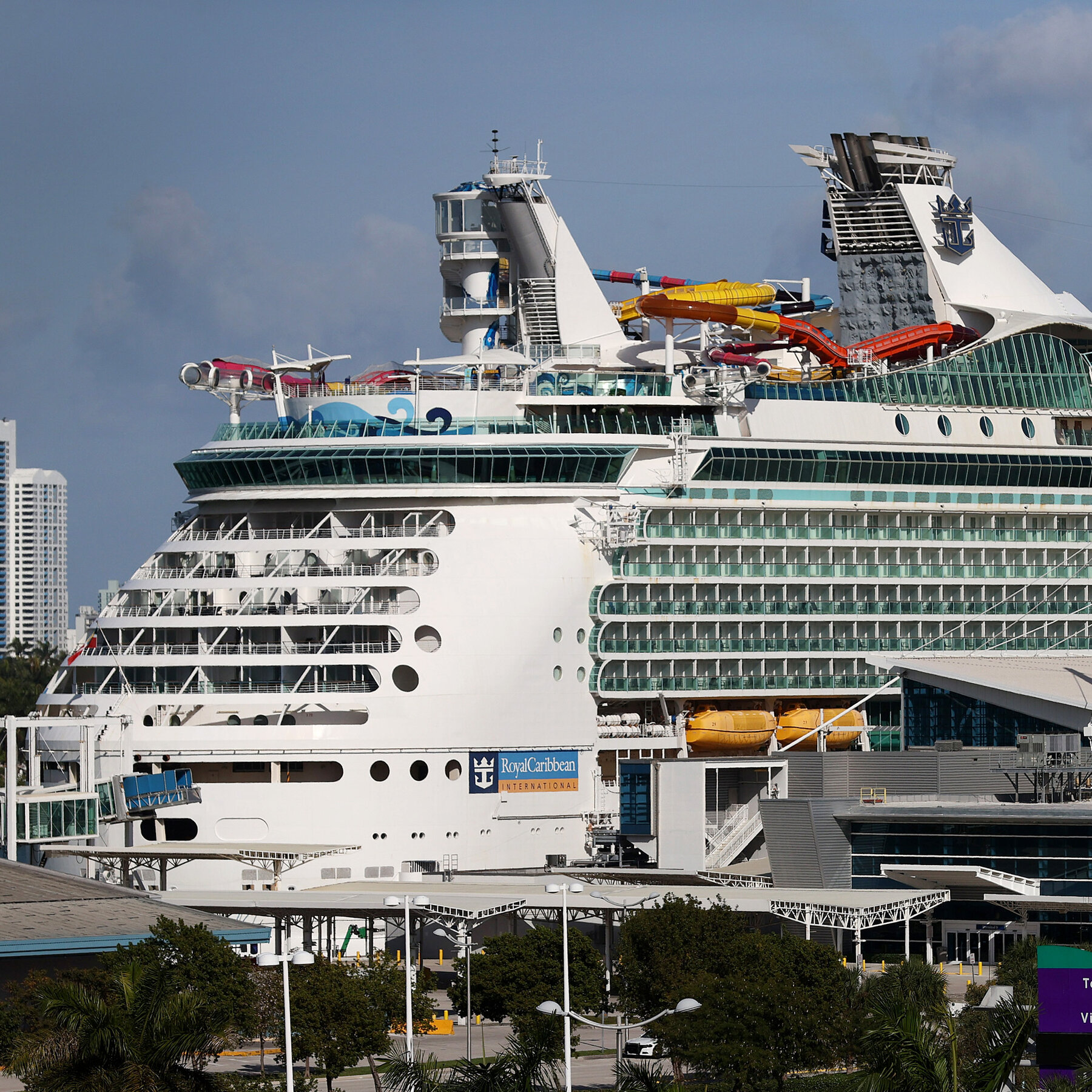
Michael Virgil, a 35‑year‑old traveler, embarked on a Royal Caribbean cruise in early June. According to court filings, the passenger was offered a staggering 33 alcoholic beverages over the course of the voyage, a consumption level that later became central to the lawsuit filed by his family.
Witnesses and the plaintiff’s attorneys allege that Virgil grew increasingly agitated after the excessive drinking. Crew members intervened, and the situation quickly escalated. The complaint states that at least five crew members restrained Virgil, with some of them allegedly standing on his back while attempting to subdue him.
The medical examiner’s report, released after the incident, concluded that Virgil’s death was the result of multiple blunt force injuries sustained during the restraint. Toxicology tests also confirmed a high blood alcohol concentration, corroborating the claim that he had consumed a large quantity of alcohol.
Virgil’s family has filed a wrongful‑death lawsuit against Royal Caribbean and the individual crew members involved. The suit alleges negligence, excessive force, and a failure to provide appropriate medical assistance. It seeks compensatory damages for emotional distress, loss of income, and punitive damages to deter similar conduct in the future.
Royal Caribbean issued a brief statement expressing “deep sympathy” for the family and asserting that the company “takes all safety concerns seriously.” The cruise line has indicated that it will cooperate fully with the investigation and that internal disciplinary measures are under review.
The incident has reignited debates about alcohol policies on cruise ships and the training of crew members in de‑escalation techniques. Advocacy groups are calling for stricter regulations to prevent similar tragedies.