Aydın,
16°C
kapalı

In May 2024, the Israeli cabinet gave the green light to twenty‑two new settlement projects across the West Bank, marking the most extensive expansion in the territory in decades. The approvals cover a mix of new housing units, infrastructure upgrades, and commercial zones, and they have been hailed by settlement advocates as a “historic breakthrough.”
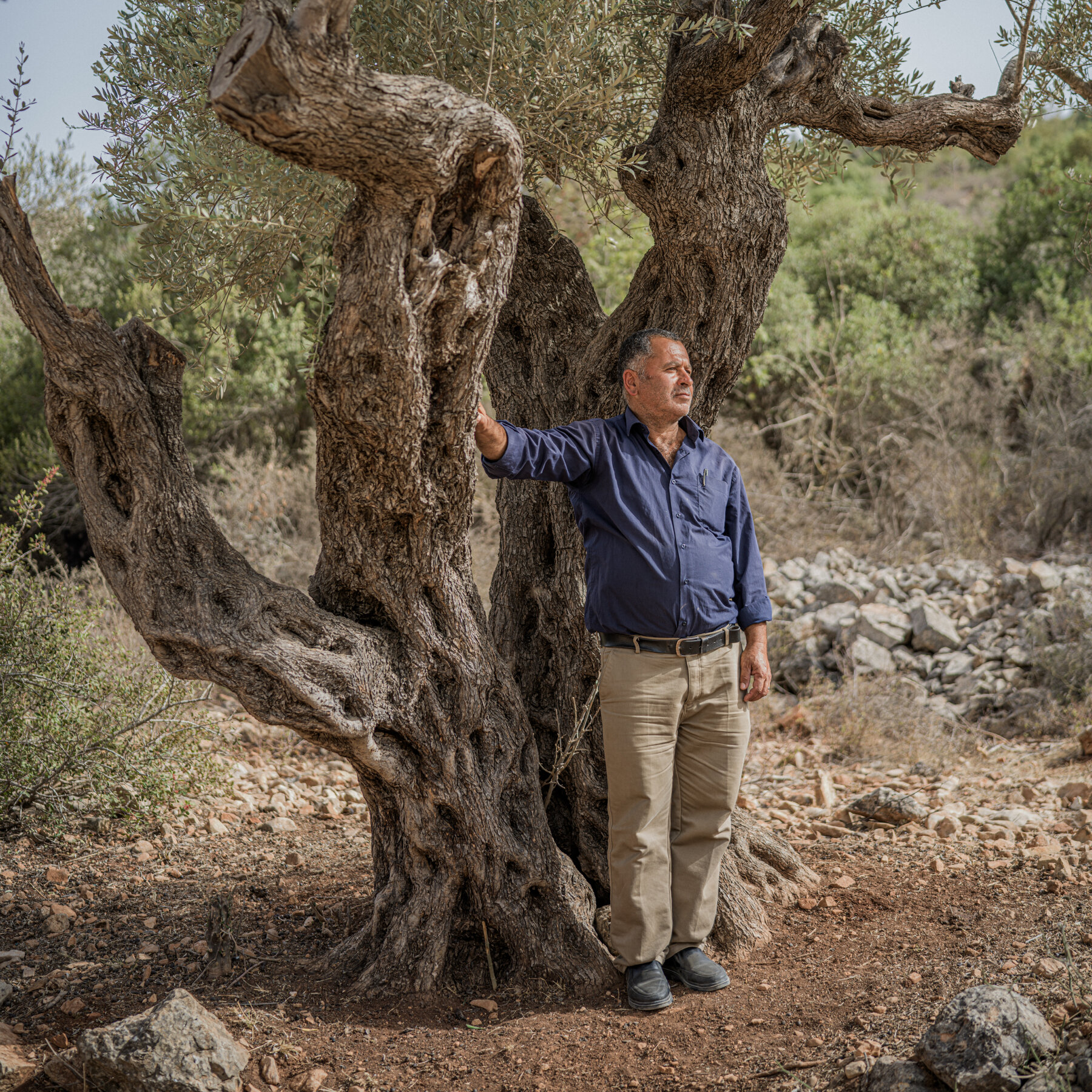
The rapid rollout has already forced dozens of Palestinian families to abandon their homes. In villages such as Qusra and Jaba’, bulldozers moved in within weeks of the approvals, tearing down homes deemed “illegal” by Israeli authorities. Residents report receiving eviction notices with only a few days to vacate, leaving them with limited options for relocation.
Human rights groups argue that the expansion violates international law, specifically the Fourth Geneva Convention, which prohibits an occupying power from transferring its civilian population into occupied territory. Amnesty International and B’Tselem have called the settlements “a tool of demographic engineering” that deepens Palestinian displacement.
The United Nations has expressed “grave concern” over the surge, urging Israel to halt construction and to respect the rights of the affected Palestinian communities. The European Union, while maintaining its long‑standing opposition to settlement expansion, has offered to increase funding for humanitarian assistance in the West Bank.
Analysts warn that the new settlements could cement a fragmented landscape, making a two‑state solution increasingly difficult to achieve. “Each new outpost chips away at the contiguity of a viable Palestinian state,” says Dr. Liora Ben‑David, a senior fellow at the Institute for Middle Eastern Studies. Meanwhile, Palestinian leaders have vowed to intensify legal challenges and to seek broader diplomatic support.