Aydın,
16°C
kapalı

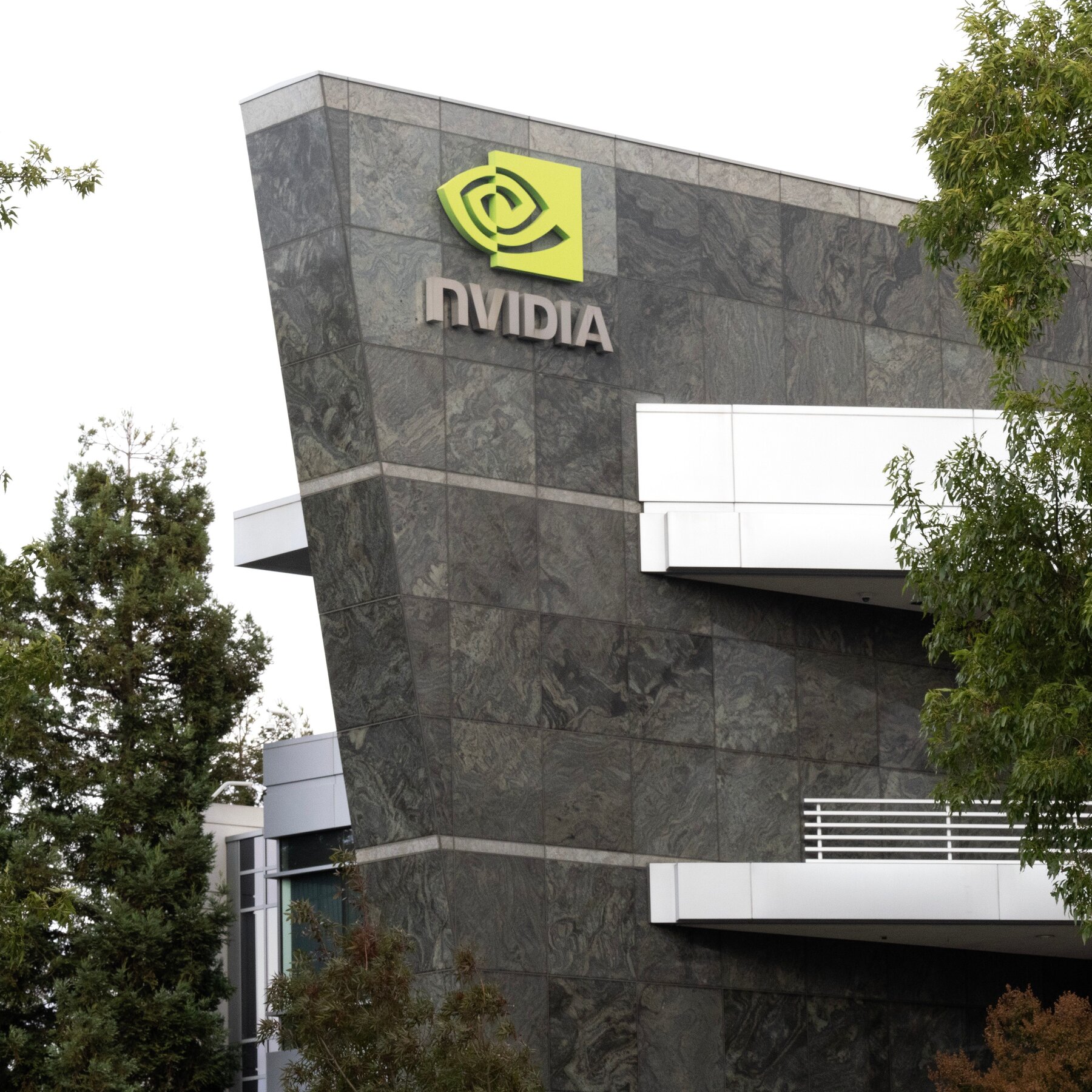
In a surprising move, former President Donald Trump announced that Nvidia would be allowed to export a limited selection of its high‑performance chips to China. The decision, framed as a step toward easing trade tensions, sparked a flurry of reactions from tech analysts and policymakers alike.
The chips in question—primarily Nvidia’s latest A100 and H100 models—are among the most powerful GPUs available for training large‑scale artificial‑intelligence models. Their ability to process massive data sets at unprecedented speeds makes them a critical component for cutting‑edge AI research, autonomous systems, and advanced data‑center workloads.
For more than a decade, the United States has imposed a series of export controls aimed at limiting China’s access to state‑of‑the‑art semiconductor technology. These measures forced Chinese firms to accelerate domestic development programs, resulting in a rapidly growing ecosystem of homegrown AI chips, such as the Huawei Ascend series and the Cambridge‑based Biren processors.
If China can integrate Nvidia’s cutting‑edge GPUs into its existing AI infrastructure, the benefits could be substantial:
Despite the optimism, several hurdles remain:
The limited opening may signal a tentative shift in U.S. policy, but the long‑term trajectory is still uncertain. For China, the key will be to leverage whatever access it gains while continuing to invest heavily in its own semiconductor capabilities. In the high‑stakes race for AI supremacy, even a modest infusion of Nvidia’s technology could tilt the balance—provided the strategic challenges are carefully managed.