Aydın,
6°C
açık

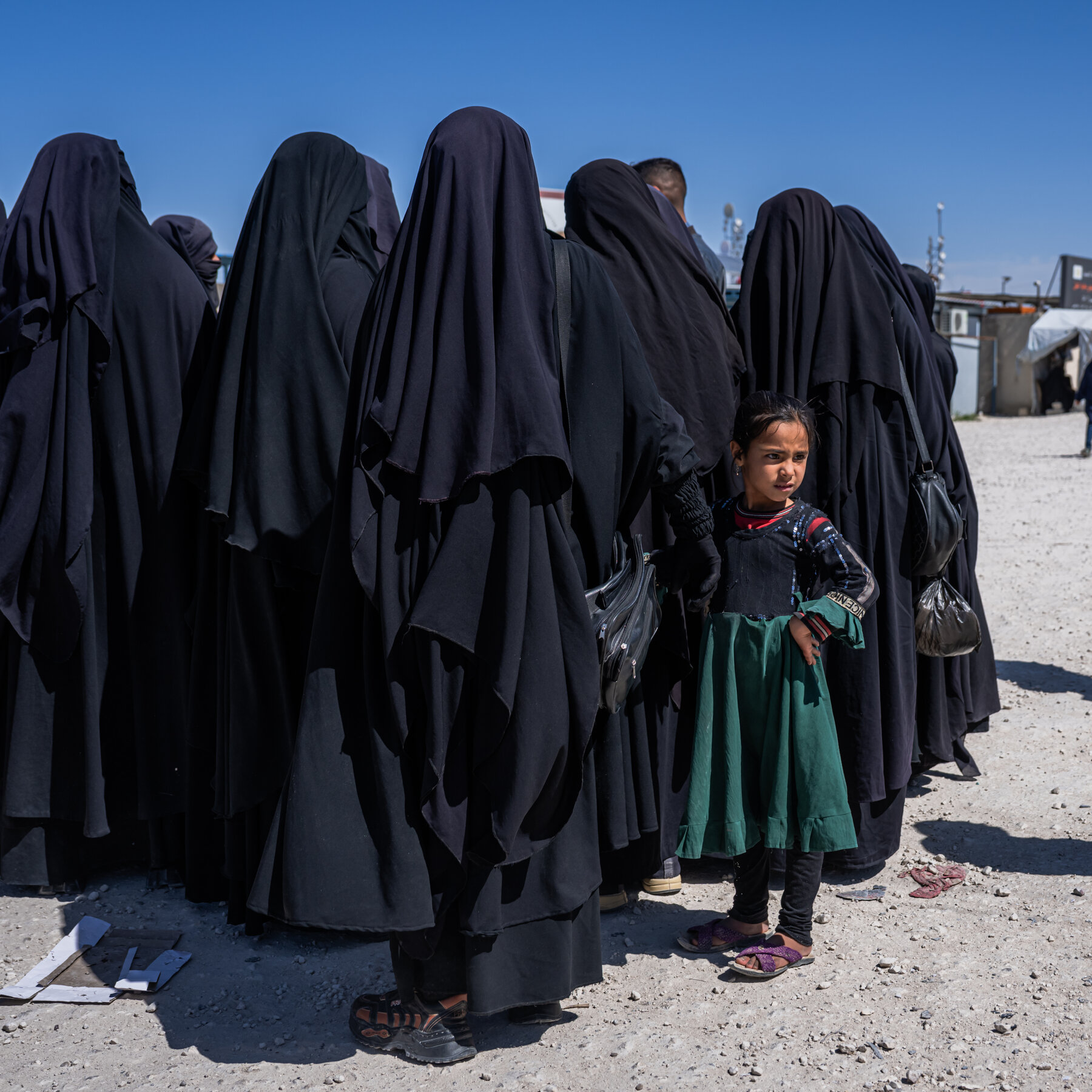
Since the height of the civil war, the Syrian government has inherited a sprawling network of prisons and detention centers that were originally built to hold members of the Islamic State (ISIS). Today, these facilities house thousands of confirmed ISIS combatants and tens of thousands of their relatives, including women, children, and elderly dependents.
The authorities are caught between two stark choices. On one hand, releasing detainees could risk a resurgence of extremist activity; on the other, maintaining the camps indefinitely strains limited resources and fuels humanitarian criticism. The legal status of many prisoners remains ambiguous, as the Syrian judiciary has yet to establish clear procedures for trial or rehabilitation.
Security officials warn that even a partial evacuation of the camps could create a vacuum that insurgent groups might exploit. Intelligence reports suggest that some detainees maintain covert communication channels with active ISIS cells, raising the specter of coordinated attacks both inside and beyond Syria’s borders.
Human‑rights organizations have repeatedly highlighted the poor conditions inside the detention facilities: overcrowding, inadequate medical care, and limited access to basic necessities. International observers argue that prolonged confinement without due process violates both Syrian law and international conventions.
President Bashar al‑Assad’s administration has announced a “comprehensive review” of the camps, pledging to develop a “balanced approach” that addresses security risks while respecting humanitarian standards. The plan reportedly includes:
Neighboring countries, especially Turkey and Iraq, have expressed concern that any misstep could spill over into their territories. Meanwhile, the United Nations has urged Damascus to expedite the establishment of transparent judicial processes and to ensure that any releases are accompanied by robust monitoring mechanisms.
As the Syrian government navigates this delicate issue, the world watches closely. The outcome will not only affect the lives of thousands of detainees but also shape the broader fight against terrorism in the region. Balancing security imperatives with human rights obligations remains the central challenge for Syria’s leaders.