Aydın,
10°C
parçalı bulutlu

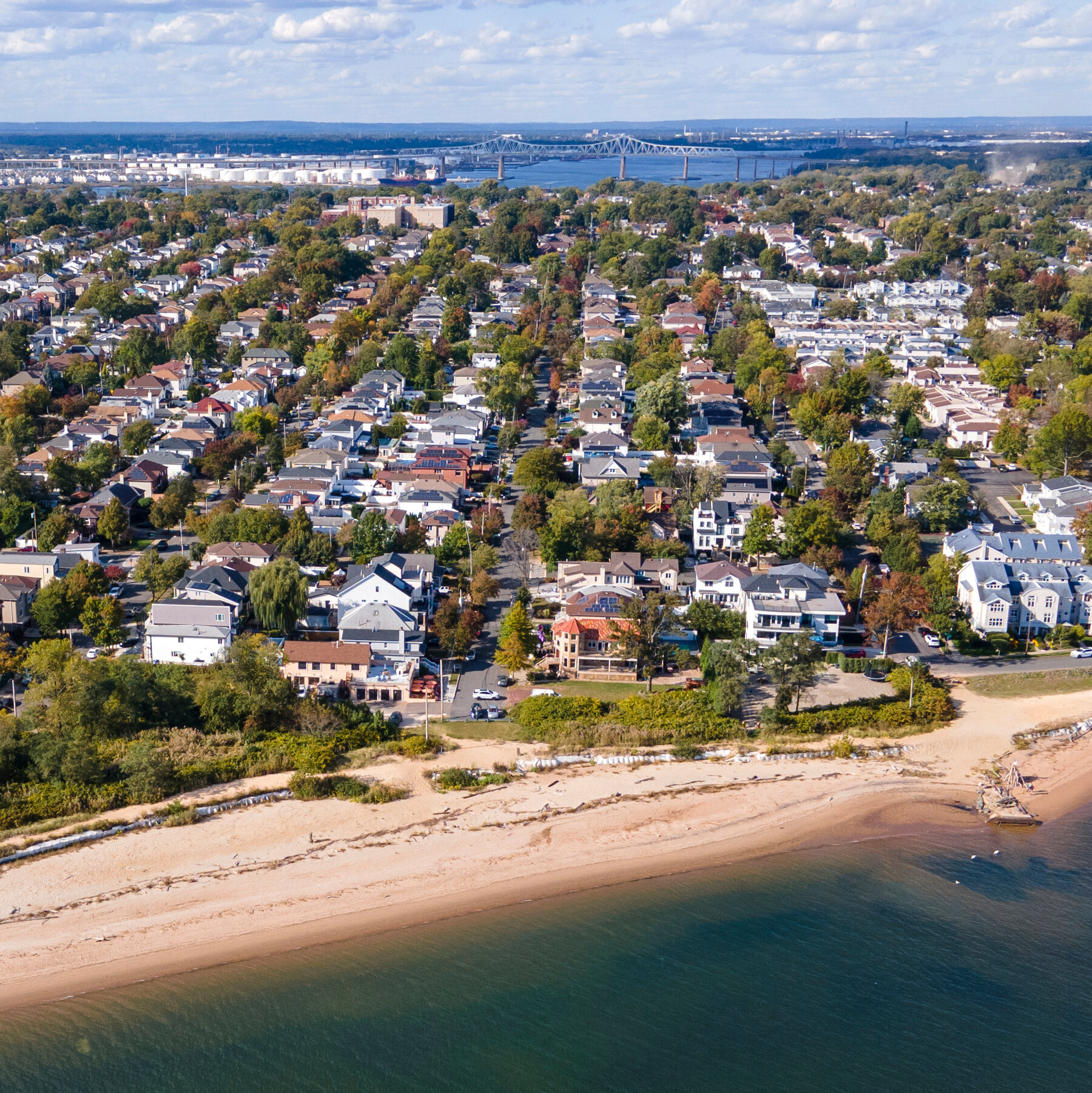
As summer temperatures climb and heat waves become more frequent, New York City faces a growing threat to public health, infrastructure, and quality of life. Residents in areas with dense concrete, limited shade, and scarce green space are especially vulnerable to heat‑related illnesses. Recognizing this, the city’s climate budgeting program has earmarked billions of dollars to cool the urban environment and bolster community resilience.
The new initiative, “Cool NYC”, channels funds into a range of strategies: expanding tree canopies, installing reflective roofing, creating cool corridors, and upgrading public cooling centers. By targeting neighborhoods most at risk, the program aims to reduce temperature spikes by up to 5 °F during peak summer days.
Located at the northern tip of Manhattan, Inwood benefits from abundant parkland, including Inwood Hill Park and Fort Tryon Park. The extensive tree cover and proximity to the Hudson River create natural cooling effects that keep daytime temperatures lower than the city average.
Bay Ridge’s waterfront location along the Upper New York Bay, combined with its network of community gardens and tree‑lined streets, provides a built‑in buffer against heat. Recent upgrades to reflective pavement have further enhanced its cool‑factor.
In Queens, Forest Hills enjoys a mix of historic architecture and lush residential landscaping. The neighborhood’s wide boulevards, mature oaks, and the nearby Forest Park contribute to a noticeably cooler microclimate.
Brooklyn’s Greenpoint has seen a surge in green infrastructure projects, including rain gardens and green roofs on new developments. These features, together with the East River breezes, help mitigate the urban heat island effect.
Set atop the Bronx’s high terrain, Riverdale benefits from elevated terrain, extensive parkland, and abundant tree canopy. The neighborhood’s cooler air flow is further enhanced by its proximity to the Hudson River.
Community involvement is essential for sustaining these cooling benefits. Residents are encouraged to plant native trees, support local greening initiatives, and advocate for the installation of cool roofs on older buildings. Participation in neighborhood heat‑watch programs also helps officials identify emerging hot spots and allocate resources efficiently.
With the continued rollout of the climate budgeting program, New York City aims to expand its cool‑zone network, targeting additional neighborhoods that lack sufficient shade and green space. By combining large‑scale investments with grassroots actions, the city hopes to create a more livable, heat‑resilient future for all New Yorkers.