Aydın,
13°C
parçalı az bulutlu

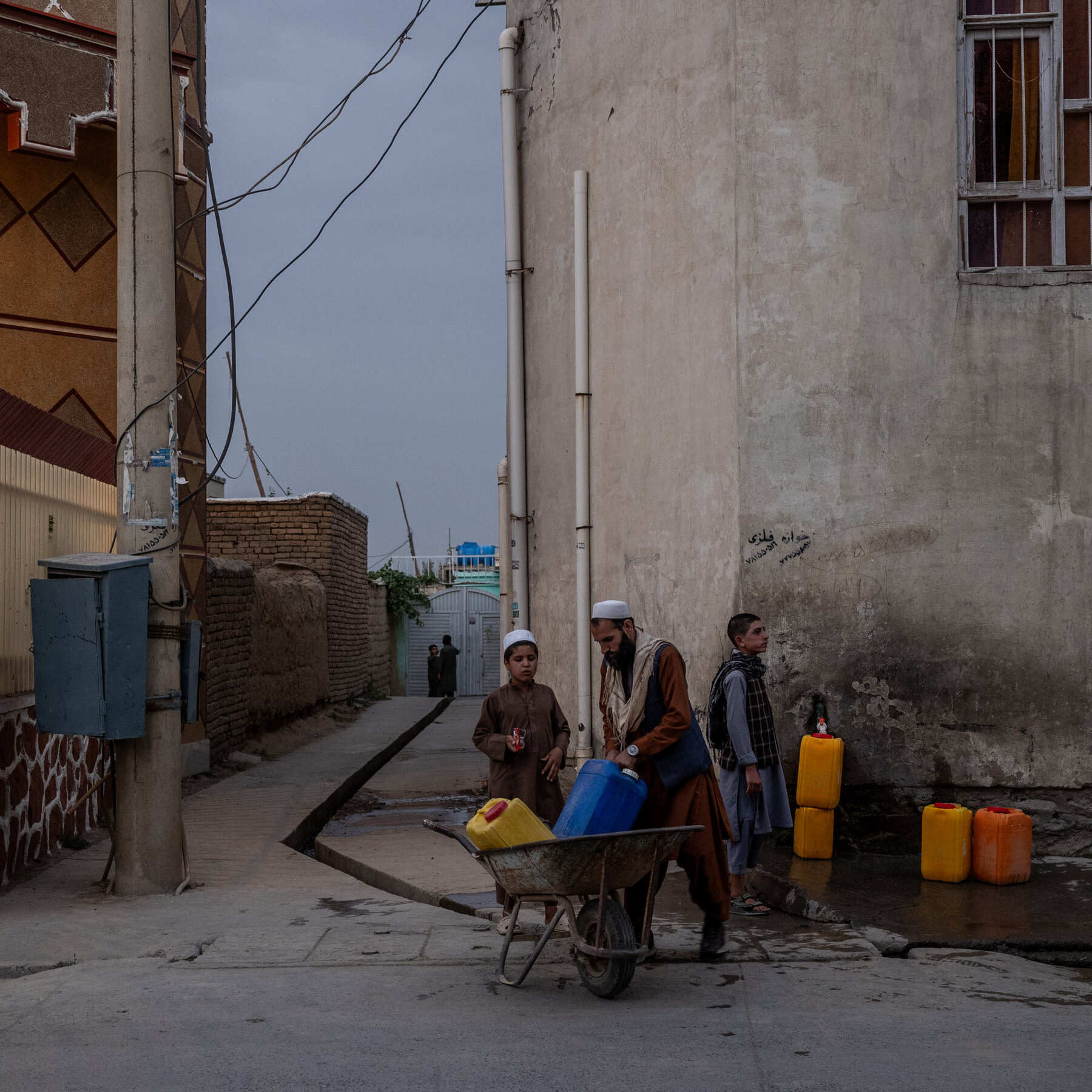
Since the final withdrawal of U.S. troops from Afghanistan in August 2021, the United States has grappled with how to handle the influx of Afghan nationals seeking refuge. While the Biden administration has pledged to expand resettlement programs, former President Donald Trump has consistently opposed further admissions, arguing that the nation should prioritize domestic concerns.
During his tenure, the Trump administration introduced several measures that effectively closed the doors to many Afghans:
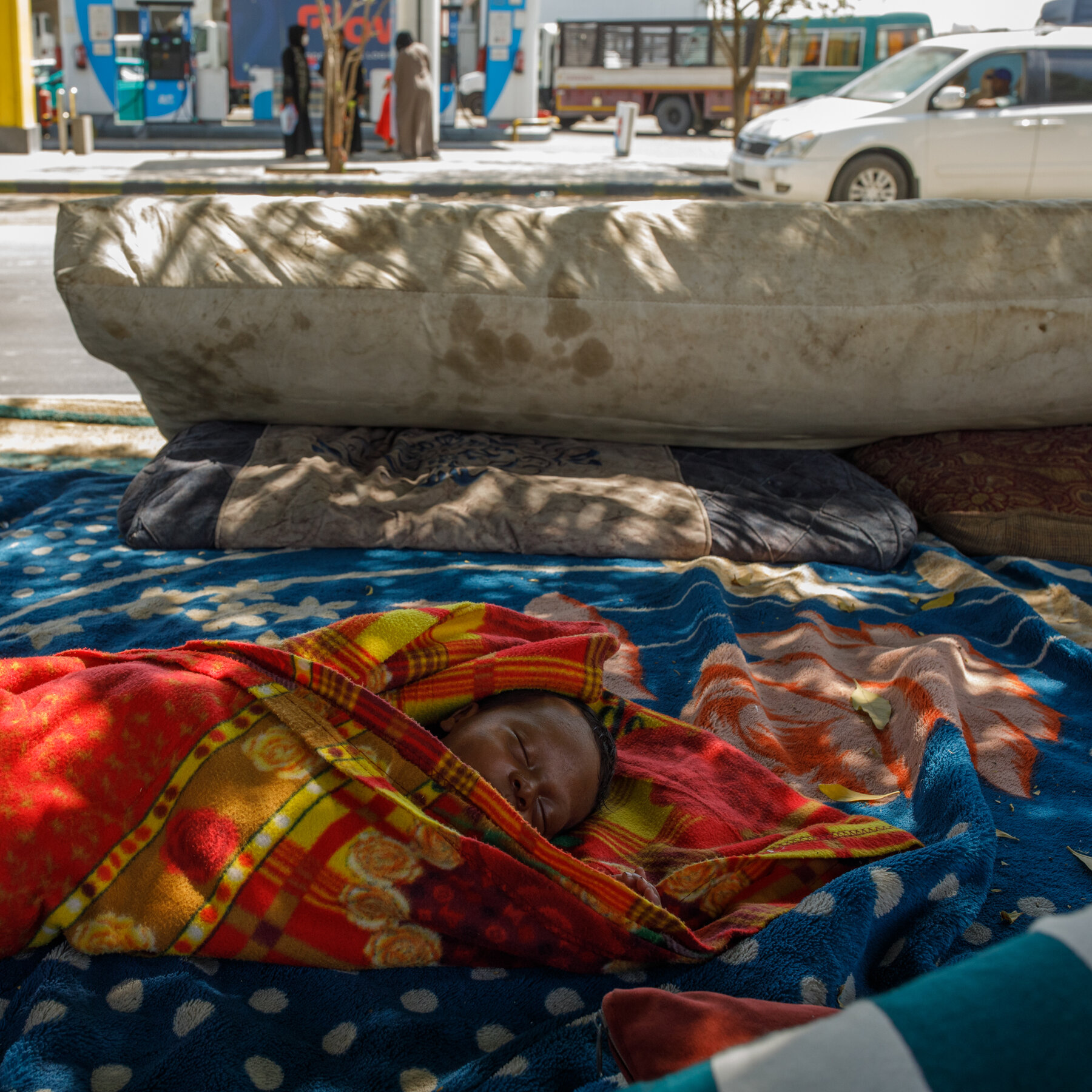
The restrictions have left thousands of Afghan citizens in precarious situations. Many who assisted U.S. forces during the two‑decade conflict now face threats from the Taliban, including targeted violence, loss of property, and limited access to basic services. Humanitarian groups report that the lack of a clear pathway to safety has forced some to remain in overcrowded camps or attempt dangerous journeys across borders.
Organizations such as the International Rescue Committee and Human Rights Watch have condemned the policy, calling it “inhumane” and “contrary to America’s long‑standing tradition of offering refuge.” They urge the current administration to:
The policy has sparked debate within Congress. While some lawmakers support stricter immigration controls, others argue that abandoning Afghan partners undermines U.S. credibility abroad. The issue is expected to surface in upcoming hearings on national security and foreign aid, with bipartisan calls for a reassessment of the nation’s refugee commitments.
As the United States continues to navigate its immigration landscape, the fate of Afghan refugees remains uncertain. Analysts suggest that any shift in policy will depend on both domestic political pressure and the evolving security situation in Afghanistan. Until then, many Afghans who helped secure U.S. interests abroad face a bleak outlook, awaiting a chance to rebuild their lives in safety.