Aydın,
10°C
parçalı bulutlu

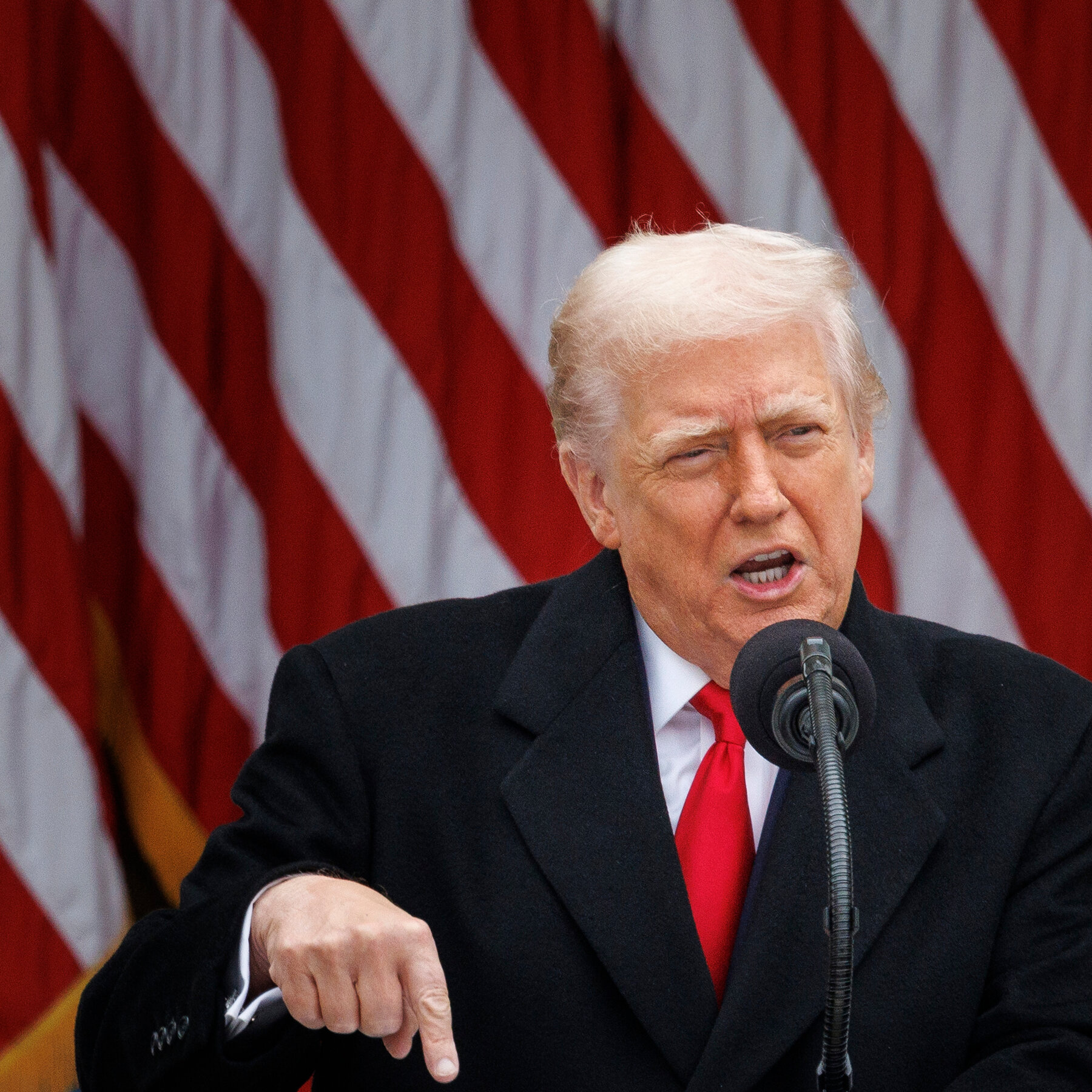
Washington, D.C. – The latest National Security Strategy unveiled by President Donald Trump marks a decisive shift in U.S. foreign policy, emphasizing commercial interests and immigration control while steering clear of moral judgments on authoritarian regimes.
The document frames America’s global role as that of a business‑first nation, urging policymakers to “leverage economic power to secure favorable trade deals and protect American investments abroad.” Critics argue that this focus reduces complex geopolitical challenges to simple profit calculations.
Reducing migration flows is presented as a national security imperative. The strategy calls for stricter border enforcement, increased funding for immigration deterrence programs, and cooperation with “partner nations” to stem the movement of people deemed a threat to U.S. stability.
In a notable departure from previous doctrines, the strategy explicitly states that the United States will “avoid passing judgment on the internal governance of allied authoritarian governments” when those relationships serve American economic or security interests. This stance has drawn sharp criticism from human‑rights advocates who warn that it could embolden repressive leaders.
While some foreign‑policy analysts applaud the pragmatic, “real‑politics” approach, others caution that sidelining the promotion of democracy may undermine long‑term strategic stability. “When profit becomes the primary metric, the values that have traditionally guided U.S. foreign policy risk being sidelined,” said a senior fellow at a Washington think tank.
As the strategy rolls out, its impact on diplomatic relations, trade negotiations, and global perceptions of American leadership will become increasingly evident.