Aydın,
-4°C
açık

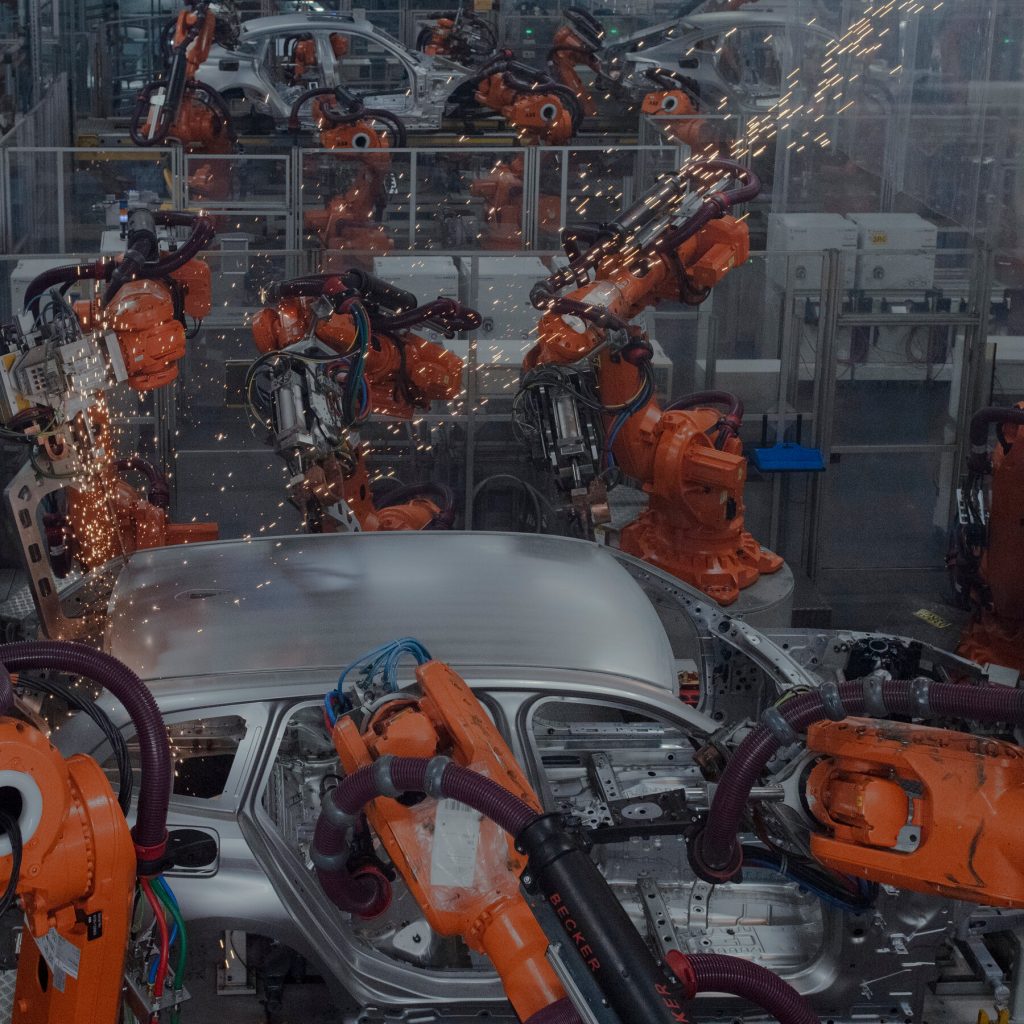
The European Commission is considering a revision to the current regulation that obliges car manufacturers to cease production of internal‑combustion‑engine (ICE) vehicles by 2035. The draft would grant member states the option to extend the deadline, giving automakers a temporary reprieve from the strict phase‑out schedule.
Industry representatives argue that the rapid transition to electric mobility is creating supply‑chain bottlenecks, rising costs, and a shortage of skilled workers. By softening the rule, the EU hopes to alleviate pressure on manufacturers while they retool factories and expand charging infrastructure.
Automakers would gain additional time to:
These adjustments could help preserve jobs and maintain competitiveness against non‑European rivals that are not bound by the same timeline.
Environmental groups warn that delaying the ICE ban would set back Europe’s climate ambitions. The EU’s Fit for 55 package aims to cut greenhouse‑gas emissions by 55 % by 2030 and achieve carbon neutrality by 2050. Extending the combustion‑engine deadline could jeopardize these targets, especially in the transport sector, which accounts for roughly a quarter of the bloc’s emissions.
Member states are split: some support the flexibility to protect their automotive industries, while others insist that the original 2035 deadline is essential for meeting climate commitments. Public opinion remains divided, with many citizens demanding faster action on climate change, yet others expressing concern over the economic impact of a swift transition.
The proposal will undergo debate in the European Parliament and the Council of the European Union over the coming months. If adopted, the revised rule could reshape the timeline for electric‑vehicle adoption across the continent, balancing industrial realities with the urgency of the climate crisis.