Aydın,
13°C
parçalı az bulutlu

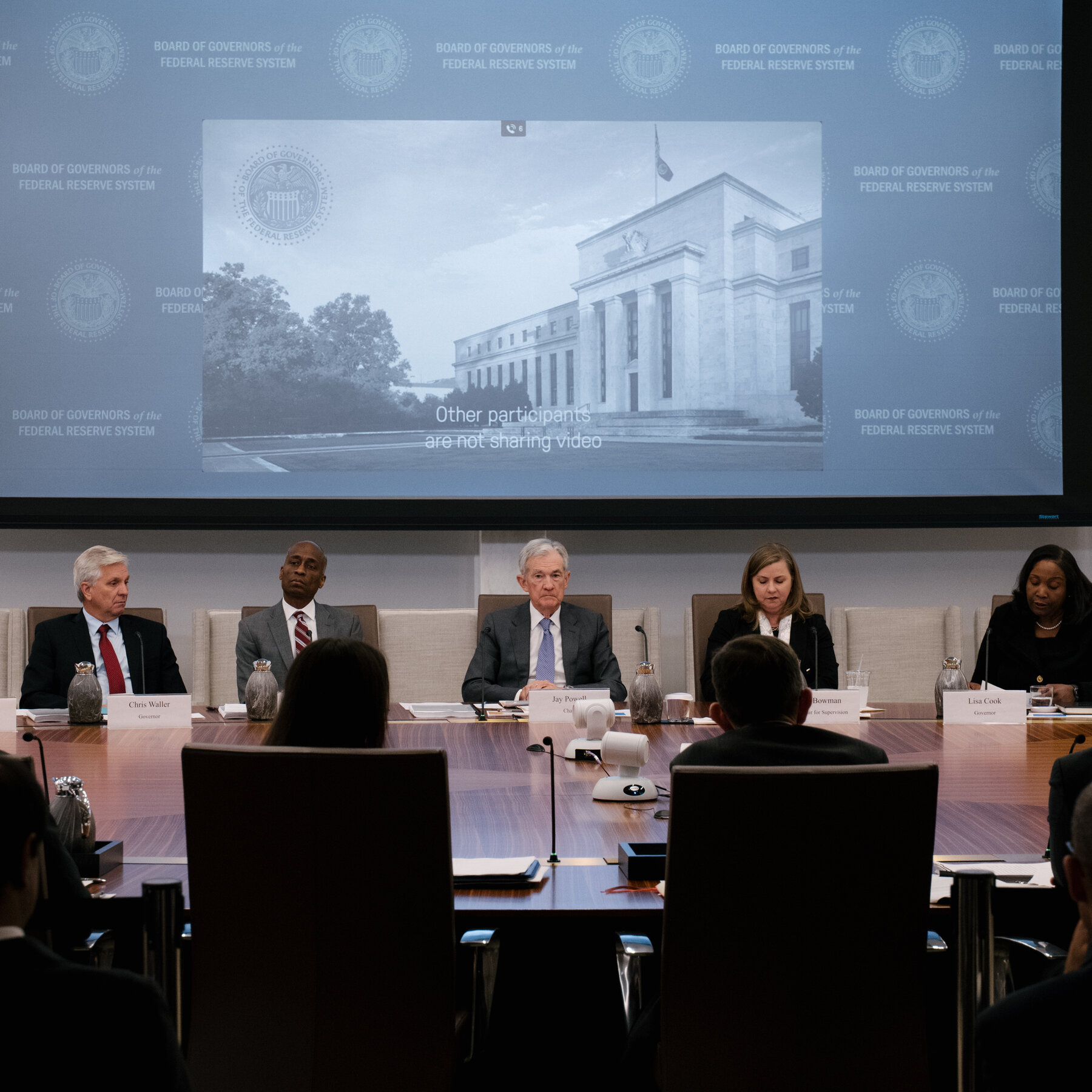
President Donald Trump has repeatedly urged the Federal Reserve to significantly lower borrowing costs, arguing that cheaper credit will boost growth and help Americans afford mortgages, auto loans, and small‑business financing.
Several members of the Fed’s policy‑making body, however, appear ready to push back. In recent internal briefings, they stressed that the economic backdrop—including modest inflation, a still‑fragile labor market, and lingering uncertainty about global supply chains—does not justify another round of aggressive cuts.
The disagreement underscores a broader tension: the President’s political agenda versus the central bank’s mandate to promote maximum employment and price stability. Economists warn that a premature easing of rates could fuel inflationary pressures and undermine the credibility of the Fed.
If Trump’s preferred candidate assumes the chairmanship, the board may face pressure to align policy more closely with the administration’s growth‑first narrative. Conversely, career Fed officials are likely to maintain a data‑driven approach, waiting for clearer signs that the economy can sustain lower rates without overheating.
As the nomination process unfolds, market participants will be watching closely for any indication of how the Fed’s internal dynamics will shape future monetary policy. The balance between political expectations and economic realities will determine whether the United States sees another wave of rate cuts or a more measured path forward.