Aydın,
-4°C
açık

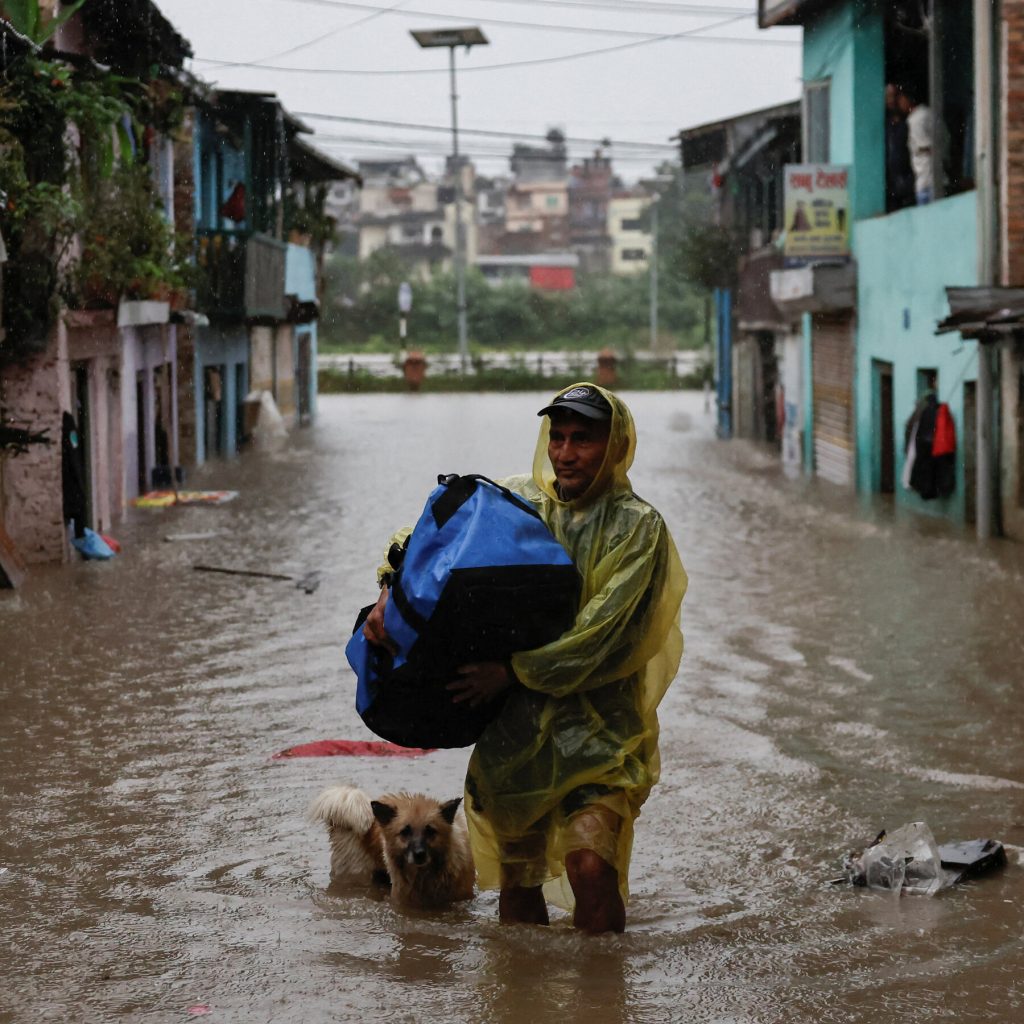
Nepal, a country still reeling from a tumultuous transition, is now grappling with a fresh crisis as severe floods and landslides have struck, disrupting transportation networks and claiming dozens of lives. The latest disaster comes on the heels of a month-long wave of nationwide protests that ultimately led to the ousting of the government, plunging the nation into a period of uncertainty.
The protests, which began in July, were sparked by concerns over issues such as corruption, economic mismanagement, and the government’s handling of the country’s transition. The demonstrations, which drew thousands of participants, ultimately forced the resignation of the prime minister and the dissolution of the government. An interim administration has since taken charge, tasked with steering the country towards stability and new elections.
However, before the interim leaders could even settle in, the country was hit by torrential rains that have brought much of Nepal to a standstill. The monsoon season, which typically hits the region in June, has been particularly severe this year, with heavy downpours causing widespread flooding and landslides.
According to officials, at least 50 people have lost their lives in the past week alone, with many more reported missing. The floods and landslides have destroyed homes, damaged infrastructure, and disrupted transportation networks, leaving thousands of people stranded.
The situation is particularly dire in rural areas, where access to basic necessities such as food, water, and healthcare has become increasingly difficult. Aid efforts are underway, with government agencies and humanitarian organizations working to provide relief to affected communities.
The dual crises facing Nepal have raised concerns about the country’s stability and resilience. As the interim government struggles to respond to the immediate needs of its people, there are also growing worries about the long-term implications of these disasters.
Analysts say that Nepal’s fragile political situation, combined with its vulnerability to natural disasters, makes it imperative for the international community to provide support. The country’s infrastructure, already weak, has been severely tested by the recent floods and landslides, and there are fears that without external help, Nepal may struggle to recover.
For now, the people of Nepal are bracing for the worst, as the country navigates this perilous period. The road to recovery will undoubtedly be long and arduous, but with the support of the international community, there is hope that Nepal can emerge stronger and more resilient in the face of adversity.