
Aydın,
10°C
parçalı bulutlu

When we think of misinformation, we usually picture social media feeds, political spin, or viral rumors. Yet the phenomenon isn’t exclusive to our species. Recent studies reveal that fish, flies, and even bacteria can fall prey to deceptive signals that lead them astray.
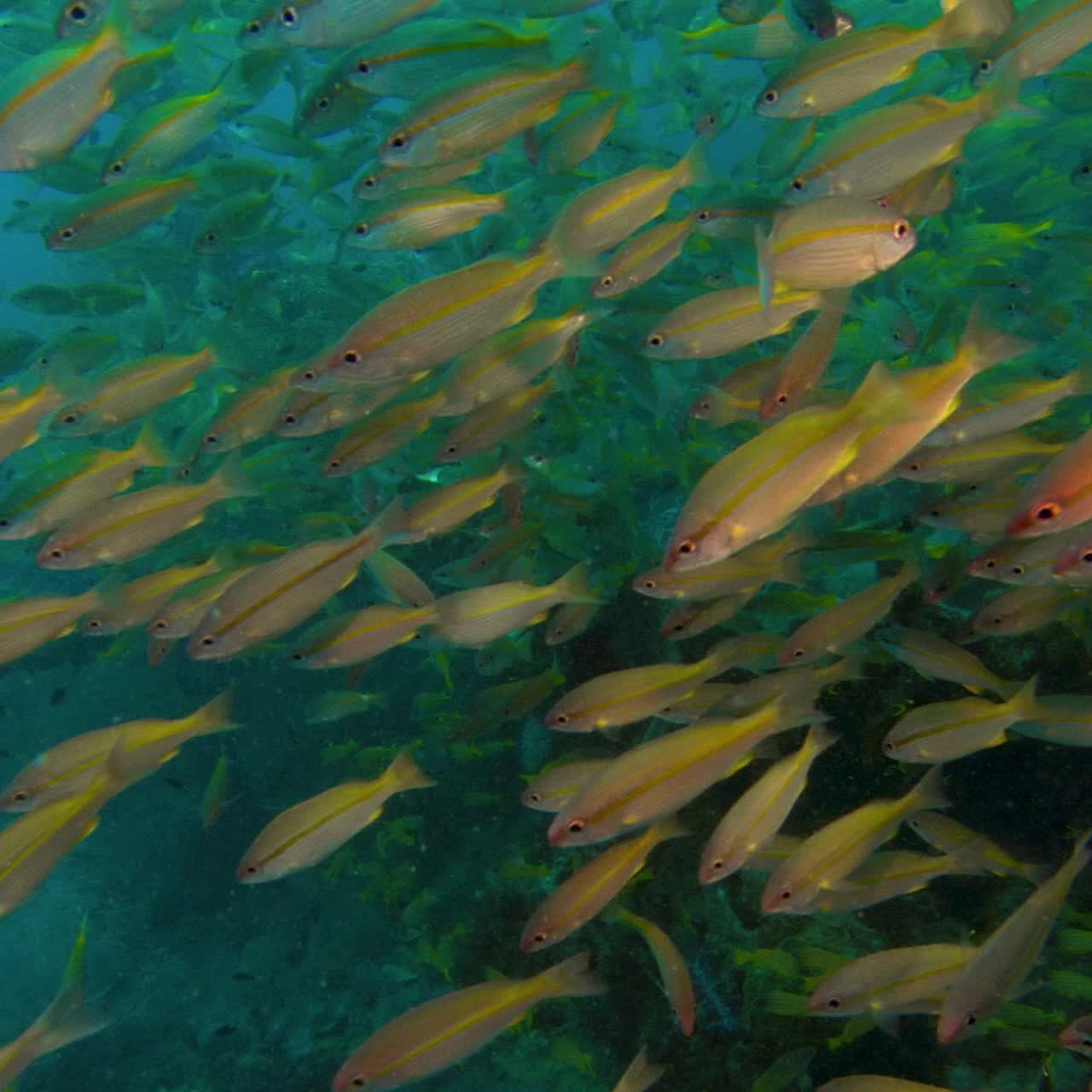
In coral reefs, certain fish release chemical cues that mimic the scent of prey. Unsuspecting neighbors rush in, only to discover a dead end—or worse, a predator waiting. This chemical misdirection is a survival tactic that can cost the misled fish valuable energy and increase their risk of predation.
Fruit flies rely heavily on pheromones to locate mates and food sources. Some parasitic fungi have evolved to emit false pheromone signatures, drawing flies into spore‑laden traps. The result is a classic case of biological misinformation that benefits the parasite at the expense of the fly.
Even single‑celled organisms are not immune. Bacterial colonies communicate through quorum‑sensing molecules. Certain pathogenic bacteria can release “fake” signals that disrupt the coordination of beneficial microbes, weakening the host’s microbiome and paving the way for infection. This molecular misinformation showcases how deception operates at the microscopic level.
Understanding that misinformation is a natural, cross‑kingdom strategy highlights its deep evolutionary roots. It reminds us that our own information ecosystems are part of a broader tapestry of signal exchange—where accuracy can be a matter of life or death, not just opinion.







İnsanlar dışında doğada da yanlış bilginin var olduğunu öğrenmek ilginç. Gerçekten de hayvanlar ve hatta bakteriler bile aldatıcı sinyallerle yanlış yola girebiliyor.