Aydın,
16°C
kapalı

Born in a remote province of Afghanistan, Rahmanullah Lakanwal grew up amid decades of war and political instability. The collapse of the previous government and the rise of the Taliban in August 2021 forced many Afghans to make a painful decision: stay and face an uncertain future or seek safety abroad.
Before fleeing his homeland, Lakanwal enlisted in a paramilitary force that operated alongside American troops. His duties included patrols, intelligence gathering, and occasional combat missions against insurgent groups. The experience left him with both valuable tactical skills and deep psychological scars.
When the Taliban seized Kabul, Lakanwal applied for the U.S. Special Immigrant Visa program, which was designed for Afghans who had assisted American forces. After a lengthy vetting process, he arrived in the United States in early 2022, settling in a Midwestern city that promised employment and a fresh start.
In his new community, Lakanwal worked a series of low‑wage jobs while attending English classes. Friends described him as “quiet” and “hard‑working,” but he struggled with recurring nightmares and anxiety—a common aftermath for those who have lived through conflict.
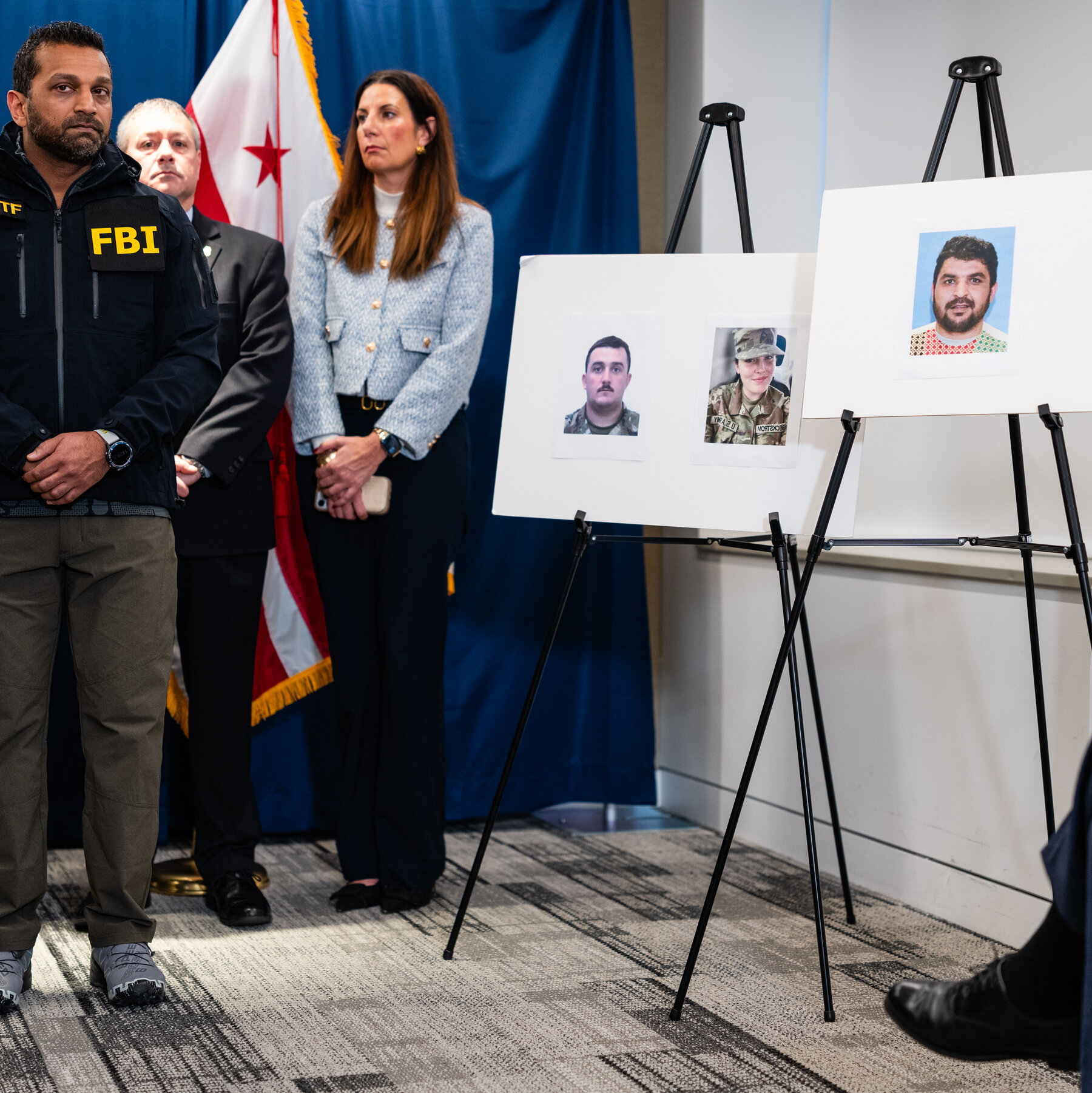
In July 2025, Lakanwal was identified as the suspect in a shooting that shocked the local neighborhood. Authorities allege that he fired several rounds in a public park, injuring two bystanders before being apprehended. The case has reignited debates about the challenges faced by former Afghan allies resettled in the United States.
The tragic event highlights the complex legacy of the U.S. withdrawal from Afghanistan. While many former allies have successfully rebuilt their lives, others remain haunted by trauma and the difficulty of adapting to a vastly different society. Policymakers and mental‑health professionals are now calling for more robust support systems to prevent similar incidents in the future.