
Aydın,
-4°C
açık

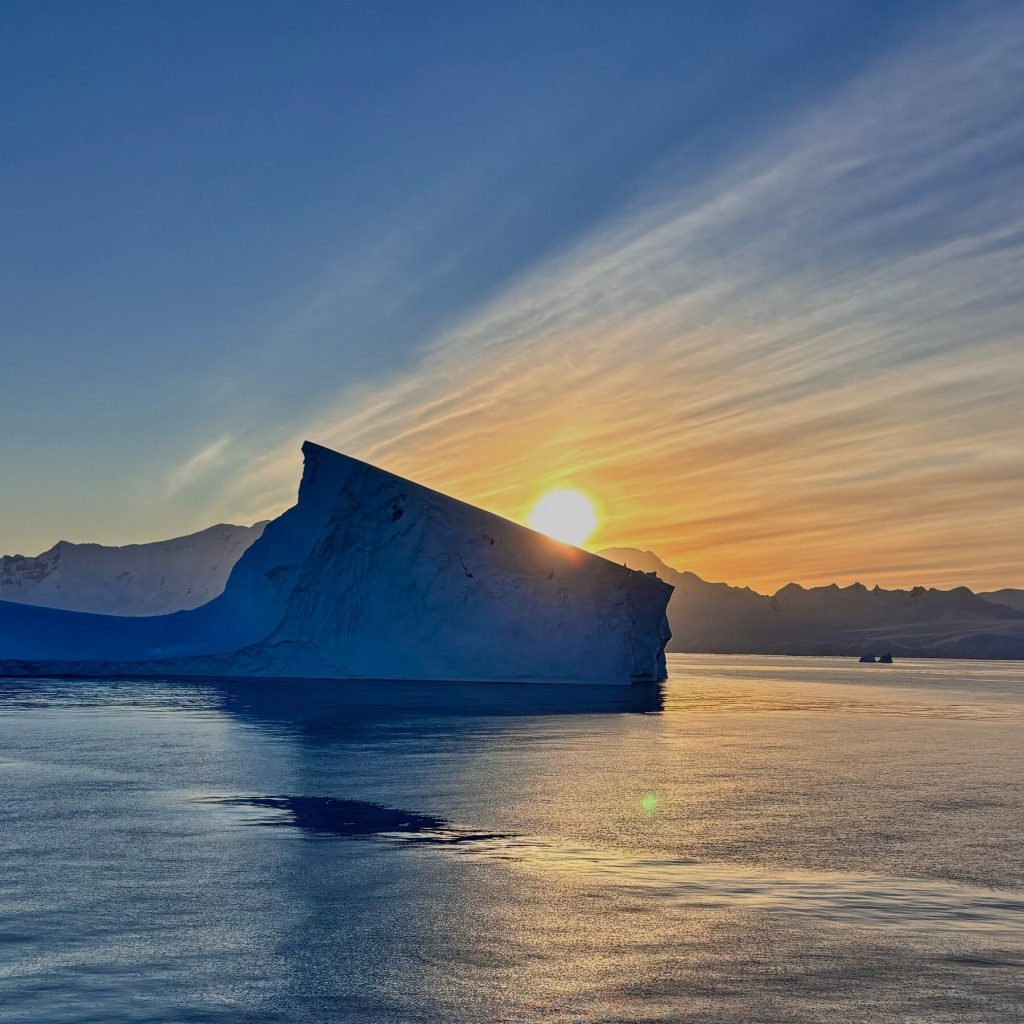
The New York Times is sending a reporter and a photographer to join a team of scientists on a research expedition by sea to Antarctica. The goal is to document cutting‑edge climate research, marine biology studies, and the daily life of scientists working in one of the planet’s most extreme environments.
Reporter: Emily Carter, senior environmental correspondent, known for her in‑depth coverage of climate policy.
Photographer: Lucas Nguyen, award‑winning visual journalist who has previously reported from remote Arctic regions.
The voyage is scheduled to last approximately three weeks, departing from Ushuaia, Argentina, and returning after a 12‑day crossing of the Southern Ocean, followed by a week of on‑shore fieldwork at research stations on the Antarctic Peninsula.
The scientists are conducting:
The Times journalists will attend briefings, accompany field teams when safe, and translate complex findings into stories for a general audience.
Content will be released across multiple platforms:
Both the reporter and photographer have undergone rigorous safety training, including:
The research vessel is equipped with state‑of‑the‑art navigation, communication, and medical facilities, ensuring a secure environment for all participants.
Yes. The Times will provide a live tracker on its website, showing the ship’s position, weather conditions, and brief updates from the field. Readers can also subscribe to a dedicated newsletter for hourly highlights.
Antarctica is a bellwether for global climate change. By embedding journalists within a scientific team, the New York Times aims to deliver firsthand, trustworthy reporting that helps readers understand the urgency of environmental issues and the science driving policy decisions worldwide.






Antarctica’da yapılan bu araştırma gezisi çok önemli. İklim değişikliği hakkında doğru ve güvenilir bilgilere ihtiyacımız var.