Aydın,
-4°C
açık

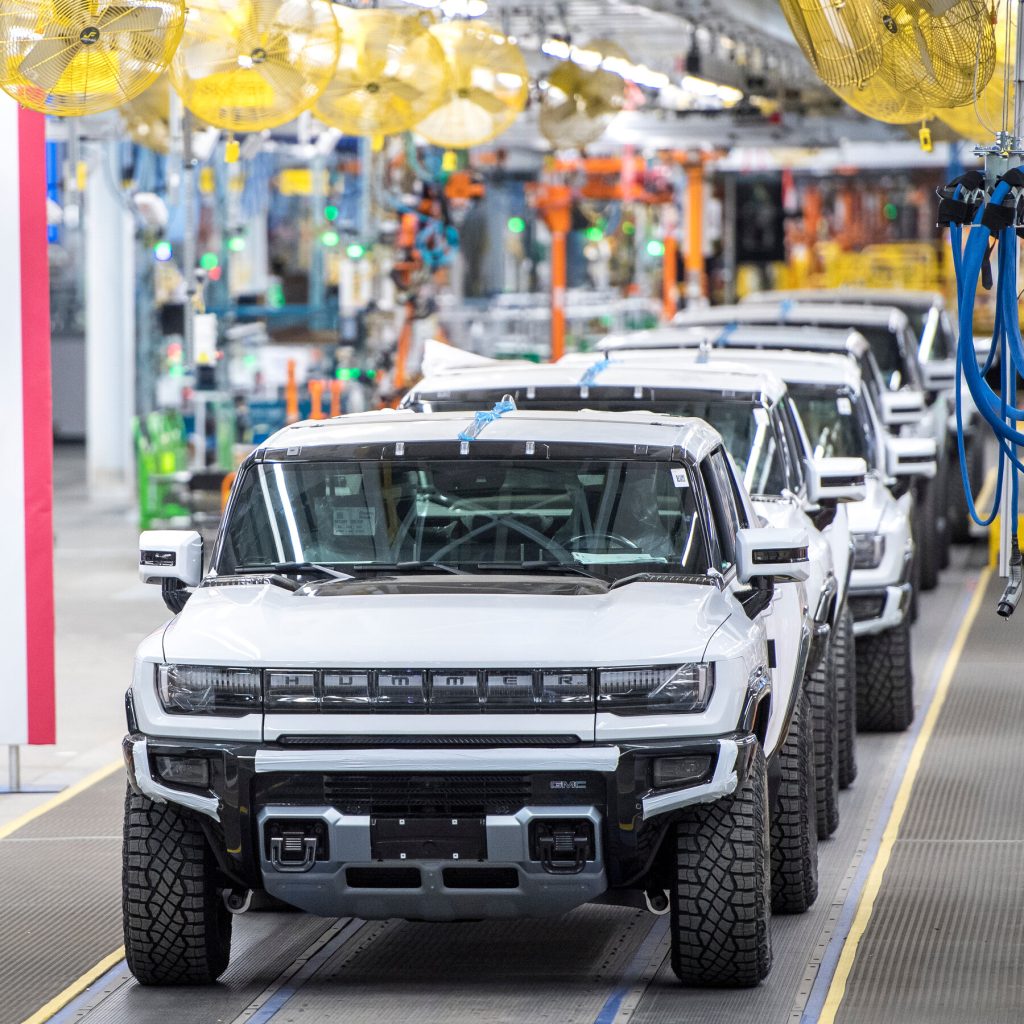
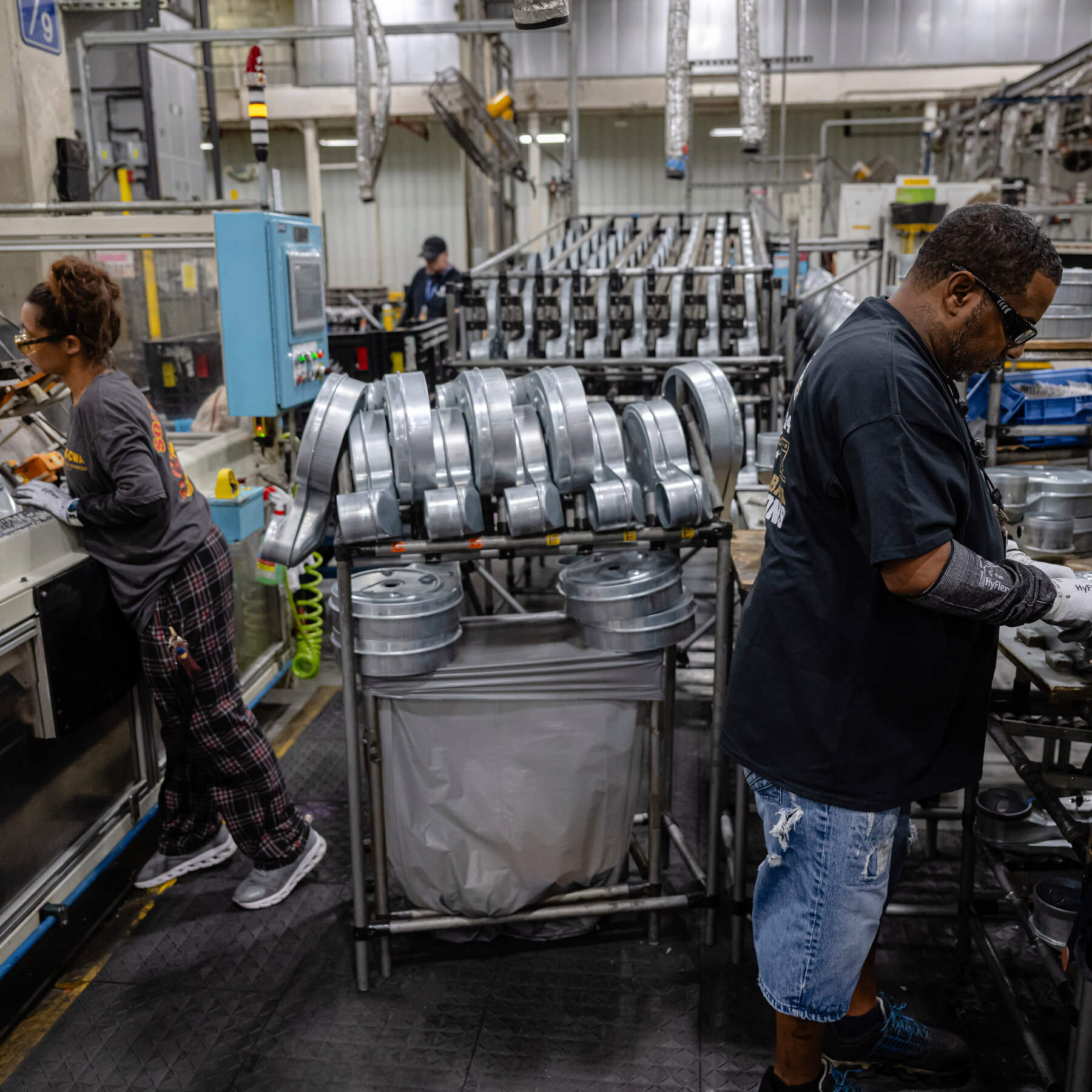
General Motors announced plans to cut 1,750 jobs at its electric vehicle manufacturing facilities in Michigan, Ohio, and Tennessee, as the company grapples with a changing market and reduced government incentives. The decision comes on the heels of the expiration of a $7,500 federal tax credit for electric cars, which had been a significant factor in driving consumer demand for eco-friendly vehicles.
The job cuts, which are expected to take place in the coming months, will primarily affect workers at GM’s assembly plants in Detroit-Hamtramck, Michigan; Lordstown, Ohio; and Spring Hill, Tennessee. The Detroit-Hamtramck plant, which currently produces the Chevrolet Volt and other electric vehicles, will see the largest reduction, with approximately 1,000 workers impacted.
The loss of the federal tax credit, which was phased out for GM and other major automakers earlier this year, has made GM’s electric vehicles less competitive in the market. The company had been relying on the credit to help drive sales of its electric and hybrid models, but with the incentive gone, GM is now forced to reevaluate its production levels and workforce.
The move is the latest in a series of challenges for GM’s electric vehicle business, which has struggled to gain traction in recent years. Despite significant investment in the technology, GM’s electric vehicle sales have been sluggish, accounting for only a small fraction of the company’s overall sales.
The job cuts are also a reflection of the shifting priorities of the automotive industry, which is increasingly focused on developing electric and autonomous vehicles. While GM has made significant strides in these areas, the company is still navigating a complex and rapidly evolving market.
In a statement, GM said that it is “committed to investing in the future of mobility” and that the job cuts are part of a broader effort to “position the company for long-term success.” The company has offered severance packages to affected workers and is working to reassign some employees to other roles within the organization. However, for many workers, the news is a bitter pill to swallow, as they face an uncertain future in an industry that is undergoing rapid transformation.