
Aydın,
10°C
parçalı bulutlu

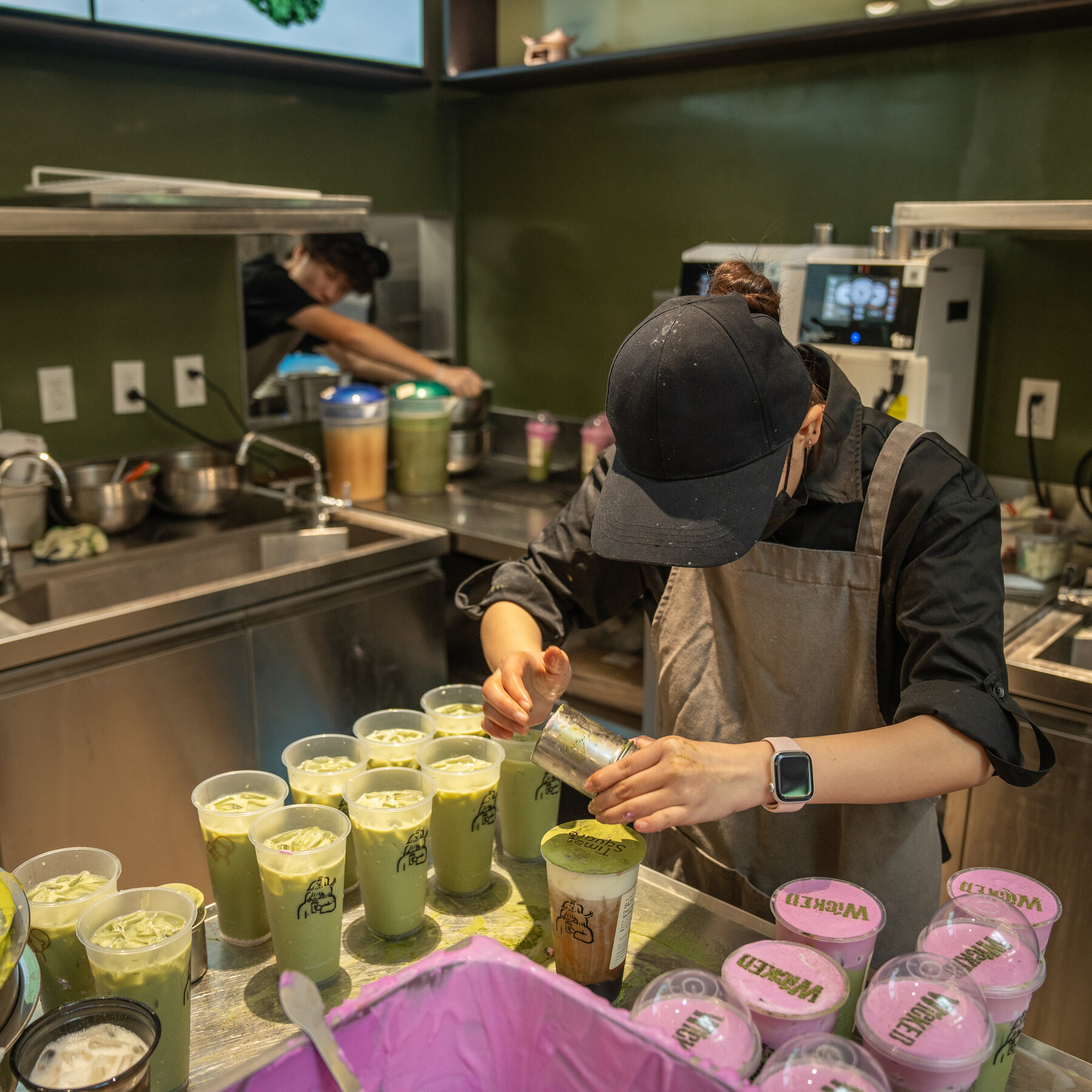
After years of battling fierce competition and saturated markets at home, many of China’s fast‑food and beverage giants are scouting the United States for growth. Domestic rivals such as KFC, McDonald’s and local chains have left little room for new entrants, prompting Chinese operators to look abroad for fresh revenue streams.
Several well‑known Chinese names are already testing the waters:
Chinese chains bring a blend of innovation and cultural flair that could resonate with U.S. consumers:
Tech‑forward ordering: Many of these brands already rely on mobile payments, AI‑driven recommendations and contactless delivery—features that align with the growing demand for convenience.
Unique flavor profiles: From taro‑infused bubble tea to spicy Sichuan sauces, they offer taste experiences that differ from traditional American fast food.
Experiential service: Concepts like Haidilao’s “entertain‑while‑you‑wait” approach could redefine the expectations of casual dining in the U.S.
Despite the excitement, Chinese chains must navigate several hurdles:
Experts suggest a phased approach:
As the U.S. market continues to crave novelty and convenience, China’s fast‑food and beverage chains appear well‑positioned to make a splash. If they can blend their technological edge with a genuine respect for local preferences, the next wave of “Asian‑inspired” quick‑service restaurants could become a staple on American streets.






Çin’in fast food ve içecek devleri Amerika’ya geliyor. Bu durum Amerikan tüketicileri için yeni ve farklı bir deneyim olacak. Teknolojik açıdan ileri ve kültürel olarak farklı bir yaklaşım sergileyecekler.