Aydın,
-4°C
açık

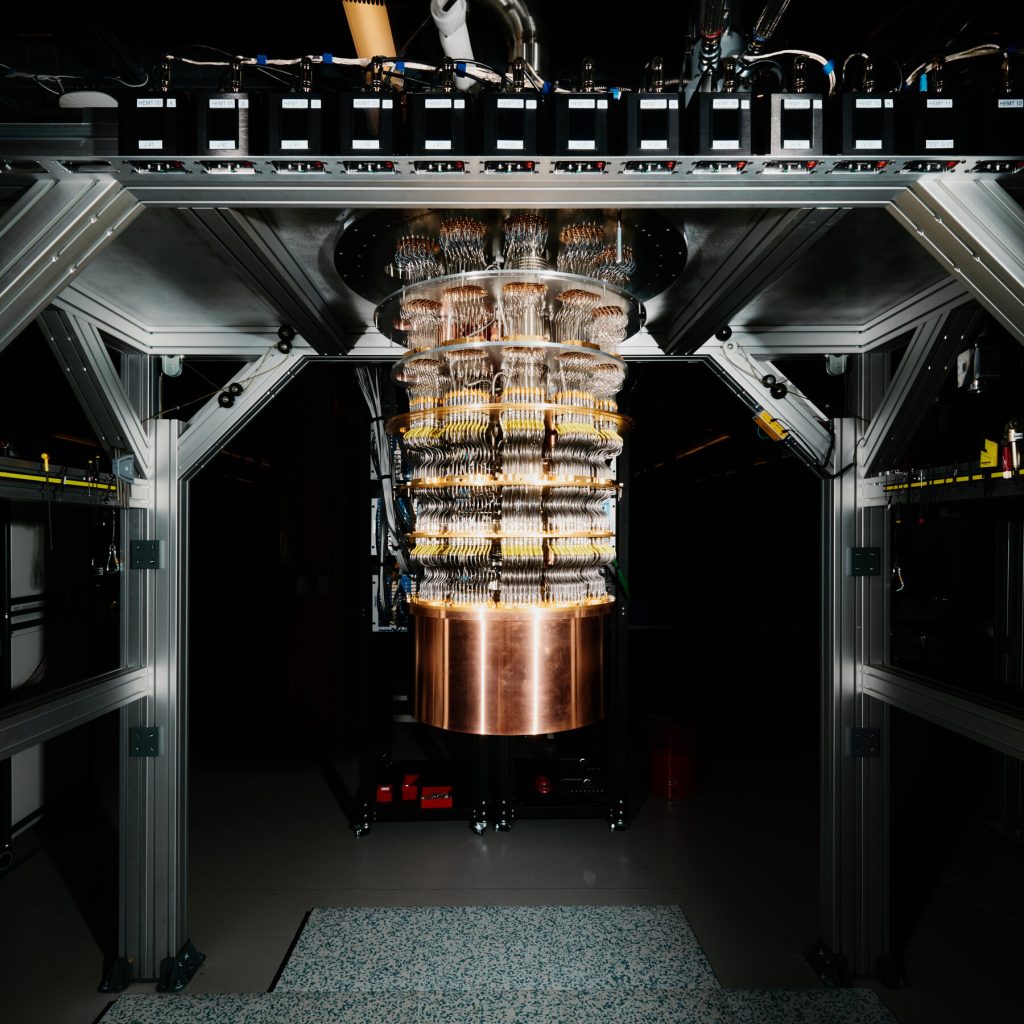
In a significant breakthrough, Google’s quantum computer has achieved a major technical milestone, paving the way for potential revolutionary advances in fields such as medicine, materials science, and more. The tech giant’s quantum algorithm has been shown to run an astonishing 13,000 times faster than software written for a traditional supercomputer, demonstrating the immense power and potential of quantum computing.
This achievement marks a major step forward in the development of quantum computing, a field that has long been touted as a game-changer for complex problem-solving and data analysis. By harnessing the power of quantum-mechanical phenomena, such as superposition and entanglement, Google’s quantum computer is capable of performing calculations that are beyond the reach of classical computers.
The implications of this breakthrough are vast and varied. In the field of medicine, for example, quantum computers could be used to simulate complex molecular interactions, allowing researchers to accelerate the discovery of new treatments and therapies. Similarly, in materials science, quantum computers could be used to design new materials with unique properties, leading to breakthroughs in fields such as energy storage and renewable energy.
Google’s achievement is a significant milestone in the development of quantum computing, and it brings us one step closer to realizing the vast potential of this technology. As researchers continue to push the boundaries of what is possible with quantum computing, we can expect to see major advances in a wide range of fields, from medicine and materials science to finance and climate modeling.
While there are still significant technical challenges to overcome, Google’s breakthrough is a major encouragement for the field of quantum computing, and it highlights the potential for this technology to transform the way we approach complex problem-solving and data analysis. As the development of quantum computing continues to accelerate, we can expect to see major breakthroughs in the years to come.