Aydın,
3°C
açık

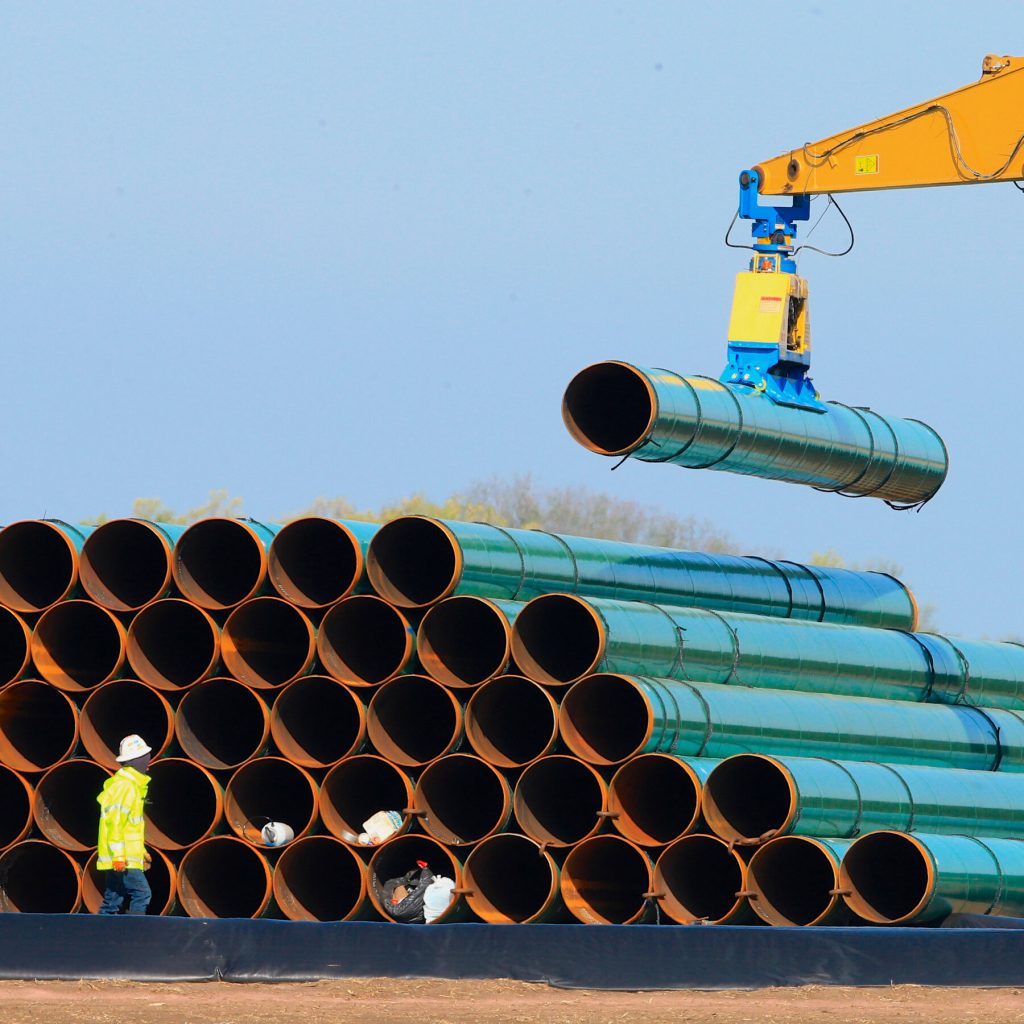
In a recent courtroom showdown, environmental group Greenpeace has taken on Energy Transfer, one of the nation’s largest pipeline operators. The dispute centers on a proposed expansion that would increase the flow of natural gas across several states, sparking fierce opposition from activists who argue the project threatens water supplies, wildlife habitats, and climate goals.
During the proceedings, the court received a filing from a little‑known organization with deep financial and corporate ties to Energy Transfer. The document, submitted as an amicus curiae brief, argued that Greenpeace’s claims were “speculative” and that the pipeline expansion complied with all relevant federal and state regulations.
The involvement of a corporate‑linked group in an amicus brief raises eyebrows because such filings are traditionally meant to provide independent, expert insight to help judges understand complex issues. Critics say that when a party with a direct stake in the outcome submits an “friend of the court” brief, it blurs the line between genuine legal assistance and strategic lobbying.
Law professors and litigation specialists note that the use of amicus briefs has surged in recent years, especially in high‑profile environmental and energy cases. “What we’re seeing is a strategic exploitation of a procedural tool that was originally designed to promote transparency and balanced argumentation,” says Dr. Maya Patel, a professor of environmental law at the University of Chicago.
If courts begin to accept more industry‑backed amicus briefs without rigorous scrutiny, the precedent could tilt the playing field in favor of corporations, marginalizing grassroots organizations that lack the resources to mount comparable legal defenses. This could ultimately shape the outcome of not only this pipeline case but also future disputes over climate‑related infrastructure projects.
The judge has not yet ruled on the admissibility of the Energy Transfer‑linked brief, and the decision could set a new standard for how amicus submissions are evaluated. Meanwhile, Greenpeace has pledged to continue its legal battle, emphasizing the importance of “unbiased, science‑based evidence” in protecting public health and the environment.