Aydın,
-4°C
açık

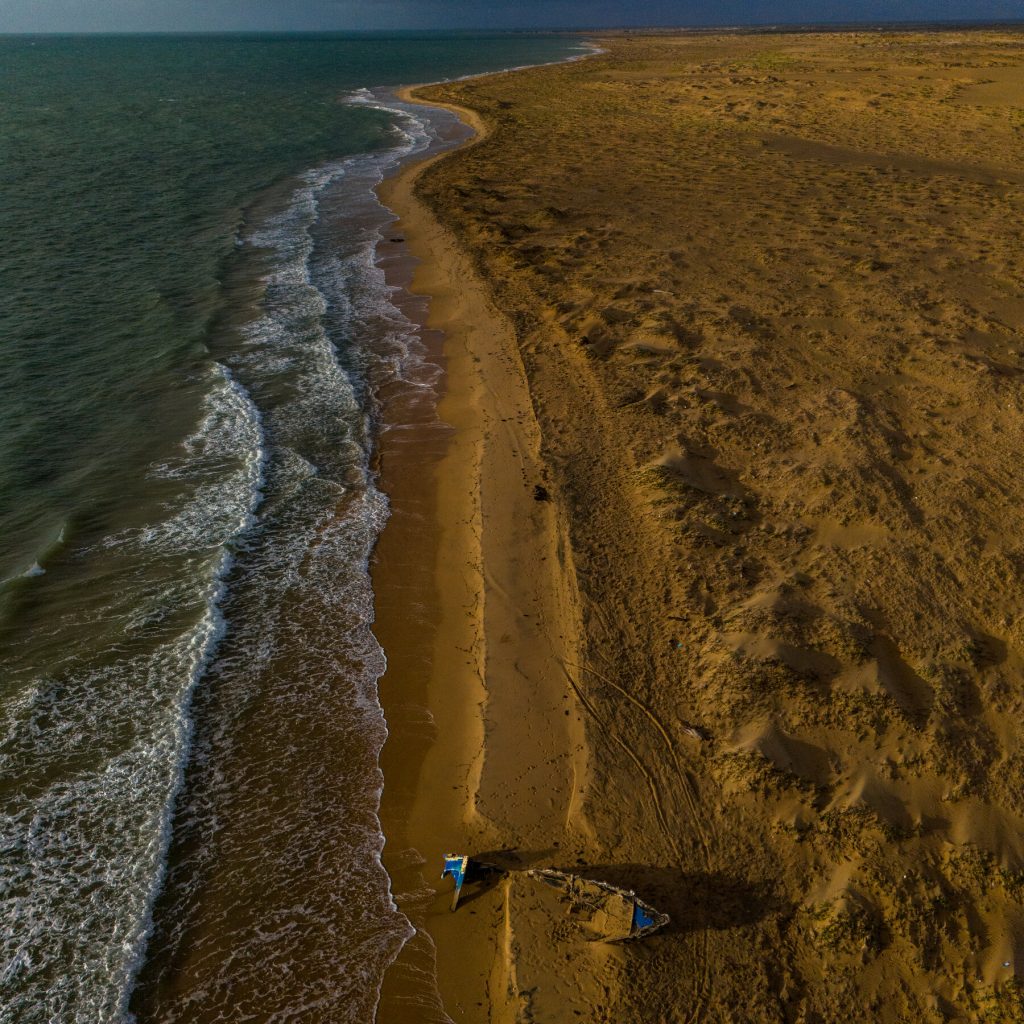
First came the scorched hull of a modest fishing vessel that drifted onto the beach, its metal twisted and blackened by fire.
Next, the authorities uncovered mangled bodies tangled in the wreckage, a tragic reminder of the human cost behind the illicit trade.
Investigators later found sealed packets containing traces of marijuana hidden among the debris, confirming suspicions of drug‑smuggling operations linked to the vessel.
Local fishermen now voice a deepening fear that the very waters that sustain their families have become a dangerous hunting ground for illegal activities and violent encounters.
“We rely on the sea for our livelihood,” says Carlos Ramírez, a veteran skipper from the nearby town. “When a boat catches fire or a tragedy unfolds just off our coast, it shakes our confidence in the safety of these waters.”
Colombian maritime police have increased patrols around the peninsula, aiming to deter further incursions and to protect both the marine environment and the local communities.
Officials emphasize that while the incidents are alarming, coordinated efforts between national and international agencies are underway to combat drug trafficking and to ensure that the ocean remains a source of sustenance, not fear.