Aydın,
-4°C
açık

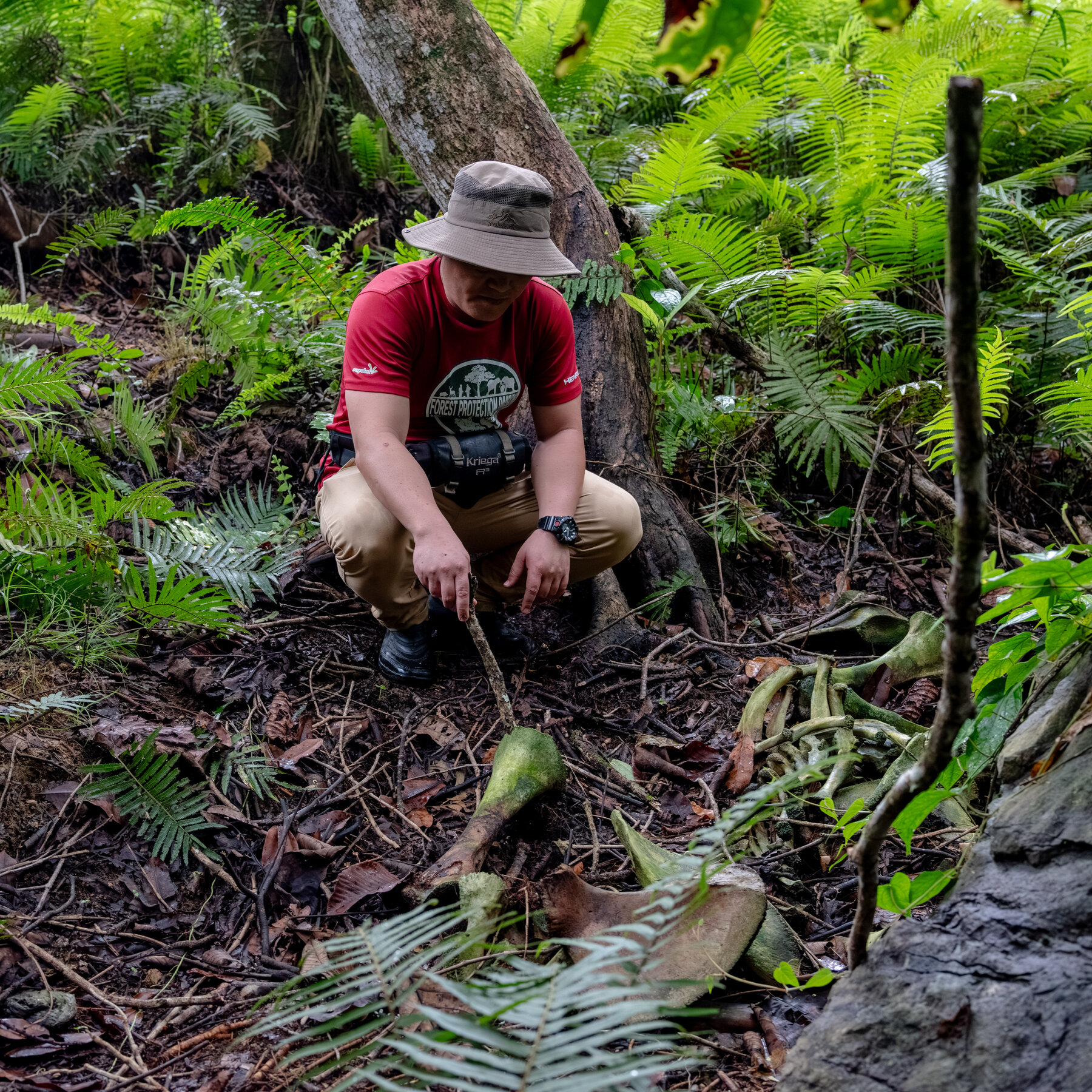
According to Malaysian wildlife officials, the number of Bornean elephants killed in the country’s isolated rain‑forests has risen to over a dozen in the past year and a half. Among the victims, five were brutally beheaded, a chilling indication of the cruelty behind the illegal trade.
“The scale of this poaching operation is unprecedented,” said Dr. Ahmad Farid, director of the Department of Wildlife and National Parks. “We are dealing with well‑organized networks that target these rare creatures for their ivory and other body parts.”
The Bornean elephant (Elephas maximus borneensis) is already classified as critically endangered. With fewer than 150 individuals believed to remain in the wild, each loss pushes the subspecies closer to extinction.
Law‑enforcement officers face daunting obstacles: dense jungle terrain, limited patrol resources, and the involvement of transnational criminal groups. “Even with satellite surveillance, tracking poachers in this remote region remains extremely difficult,” explained Assistant Commissioner Lina Tan of the Malaysian Police Wildlife Unit.
Conservation NGOs are urging the government to increase funding for anti‑poaching units, strengthen border controls, and launch community‑based monitoring programs. “Protecting the remaining elephants requires a coordinated effort between authorities, local communities, and international partners,” emphasized Rachel Lim, spokesperson for the Asian Elephant Conservation Alliance.
Support can come in many forms: donating to reputable wildlife charities, raising awareness on social media, or advocating for stricter wildlife protection laws. Every contribution helps safeguard the future of these majestic animals.