Aydın,
-4°C
açık

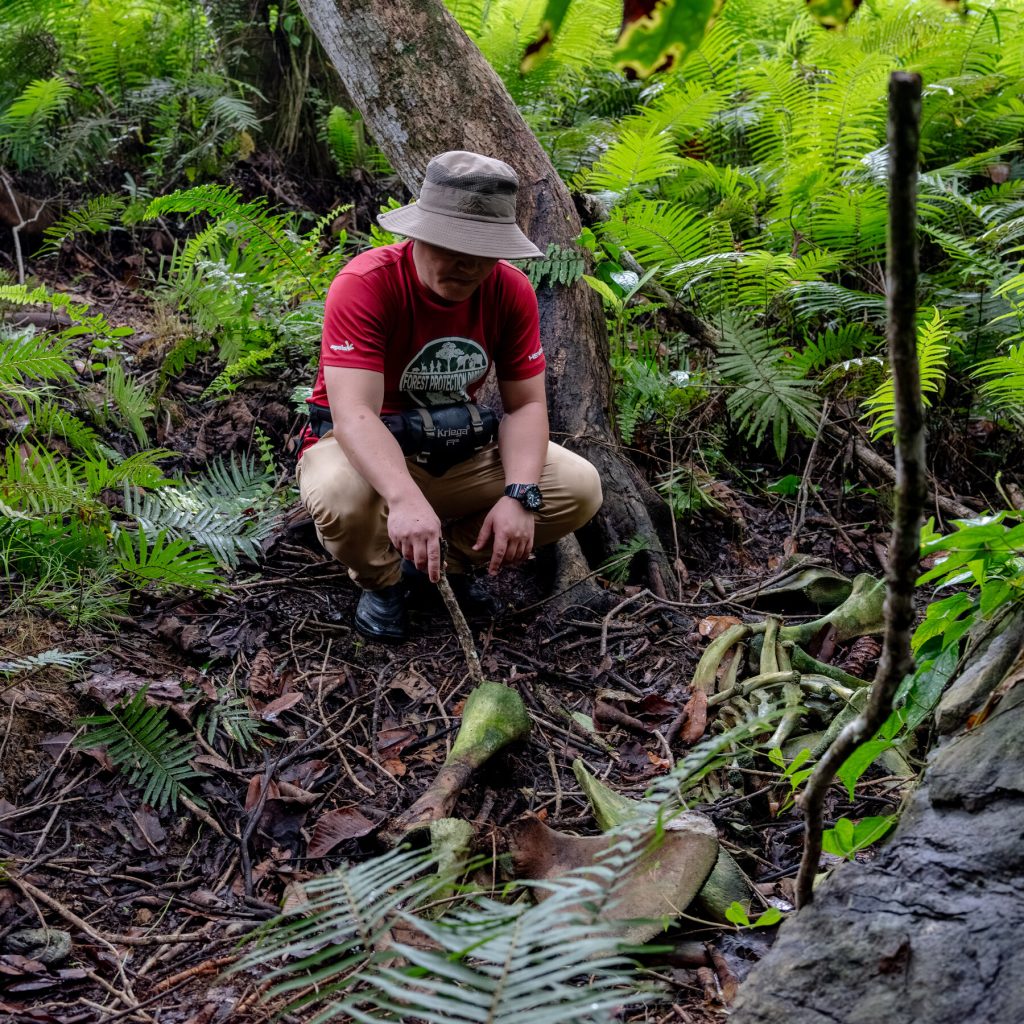
Authorities have confirmed that at least twelve Bornean elephants have been murdered in a series of brutal attacks carried out deep within Malaysia’s jungle regions over the past year and a half. The killings, which include the shocking beheading of five individuals, have sparked outrage among conservationists and the public alike.
According to the Department of Wildlife and National Parks (PERHILITAN), the victims were discovered in isolated forest patches near the Sabah‑Sarawak border, an area notorious for illegal logging and wildlife trafficking. “The scale and cruelty of these acts are unprecedented in recent memory,” a senior wildlife officer remarked, emphasizing the urgency of the situation.
The poachers are believed to be part of an organized network targeting the rare Bornean elephant (Elephas maximus borneensis) for its ivory, meat, and body parts, which fetch high prices on black markets across Southeast Asia. Unlike their mainland counterparts, Bornean elephants are already classified as critically endangered, making each loss a severe blow to the species’ survival prospects.
Law‑enforcement teams have launched a joint operation involving the Malaysian police, Sabah Wildlife Department, and international NGOs to track down the perpetrators. DNA evidence collected from the crime scenes is being processed, and several suspects have been placed under surveillance.
Conservation groups, including the World Wildlife Fund (WWF) and the Borneo Elephant Conservation Centre, have called for immediate action, urging the government to increase patrols, strengthen anti‑poaching legislation, and provide greater resources for community‑based monitoring programs.
The recent spate of killings underscores the fragile status of Bornean elephants and highlights the broader challenges of protecting wildlife in remote, law‑less regions. Experts warn that without decisive intervention, the remaining population could face a rapid decline, pushing the species closer to extinction.
“Every elephant lost is a step backward for biodiversity and the cultural heritage of the indigenous peoples who share their forest home,” said a local tribal leader, speaking on condition of anonymity. “We must act now, before it’s too late.”