Aydın,
1°C
parçalı bulutlu

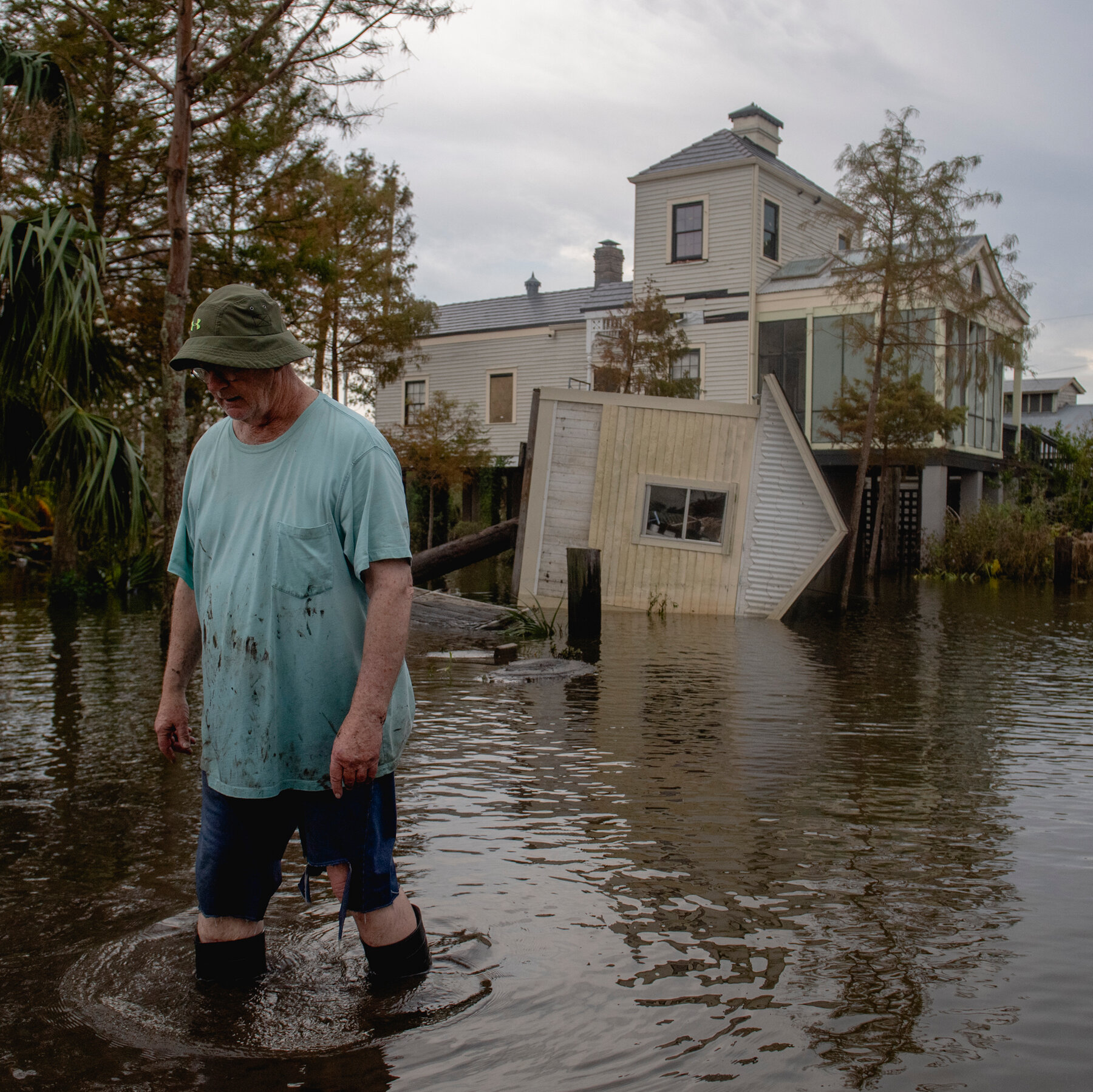
Recent studies reveal that the financial fallout of climate change is no longer confined to insurance premiums and emergency relief budgets. In the United States, property values are beginning to feel the heat—literally—in regions most vulnerable to natural disasters.
1. Declining Prices in High‑Risk Zones: Home values in counties prone to hurricanes, wildfires, flooding, and extreme heat have dropped by an average of 7‑12% over the past three years.
2. Faster Depreciation Than the National Average: While the overall U.S. housing market has seen modest appreciation, the “climate‑exposed” segment is losing ground at nearly twice the rate.
3. Investor Sentiment Shifts: Institutional investors are increasingly demanding climate‑risk disclosures before committing capital, forcing sellers to disclose flood‑zone status, wildfire‑risk ratings, and projected sea‑level rise impacts.
Coastal Gulf States: From Texas to Florida, rising sea levels and more frequent storm surges have eroded buyer confidence, especially in low‑lying beachfront communities.
Western Wildfire Belt: California, Oregon, and parts of Nevada are seeing a steep discount on homes located within the Wildland‑Urban Interface—the zone where urban development meets fire‑prone wildlands.
Mid‑Atlantic Flood Plains: The Chesapeake Bay watershed and the New York City suburbs are grappling with higher‑frequency riverine flooding, prompting lenders to tighten mortgage terms.
For Current Owners: Property owners in at‑risk areas may face lower resale values and higher insurance costs. Experts advise reviewing hazard mitigation plans and considering upgrades such as flood barriers or fire‑resistant roofing to protect equity.
For Buyers: Conducting a thorough climate‑risk assessment before purchasing is becoming as essential as checking school districts or commute times. Look for homes with documented resilience measures or those situated outside the most vulnerable zones.
Local governments are starting to adjust zoning laws, restrict new construction in high‑risk corridors, and incentivize retrofits that improve climate resilience. Meanwhile, mortgage lenders are integrating climate‑risk scores into underwriting models, a trend that could reshape financing availability across the nation.
The data suggests that climate‑driven depreciation is not a short‑term blip but a growing trend that will likely intensify as extreme weather events become more frequent. Stakeholders—from homeowners to policymakers—must adapt quickly to safeguard both property values and community stability in an increasingly warming world.