Aydın,
8°C
açık

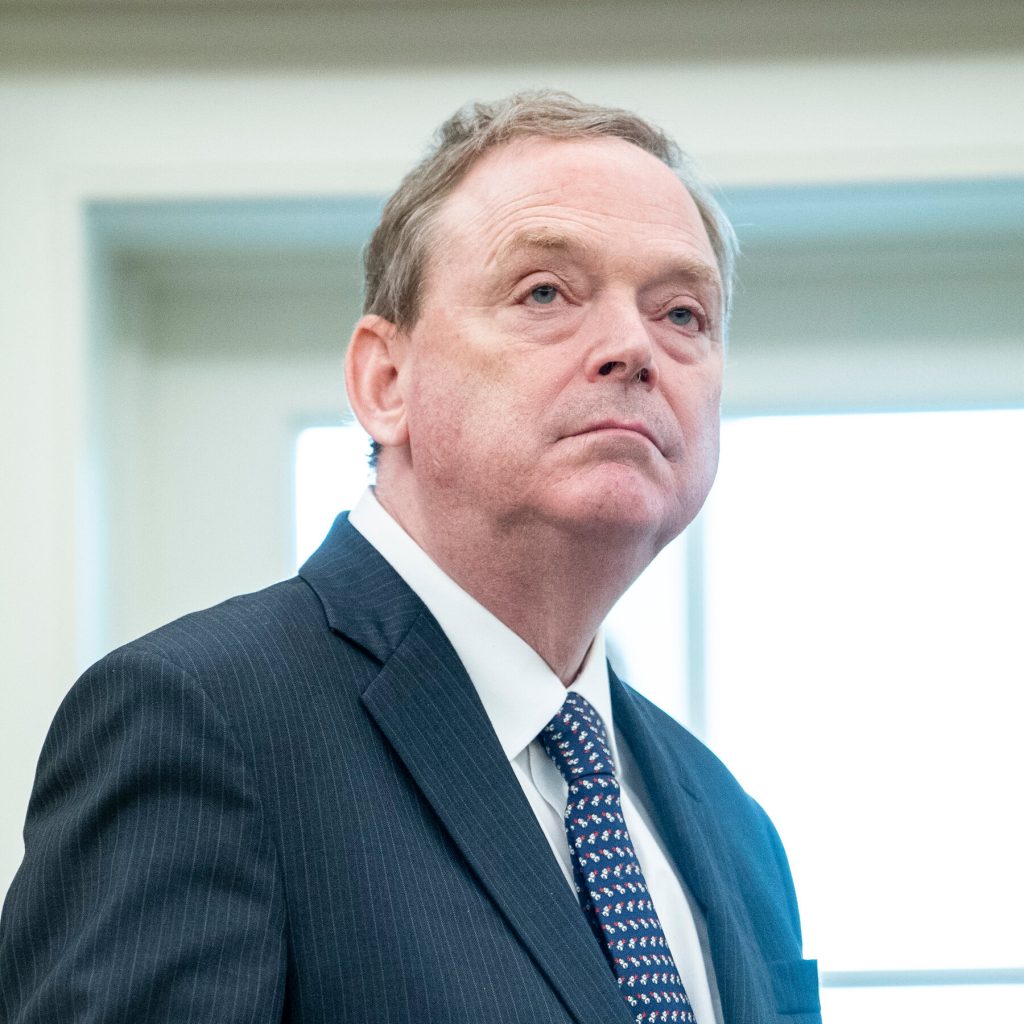
Kevin Hassett began his professional life as a traditional supply‑side scholar, publishing research on tax policy, fiscal stimulus, and growth theory at institutions such as the American Enterprise Institute and the Heritage Foundation. His work was praised for its rigorous data analysis, but it was also rooted firmly in a conservative worldview that favored lower taxes and reduced government spending.
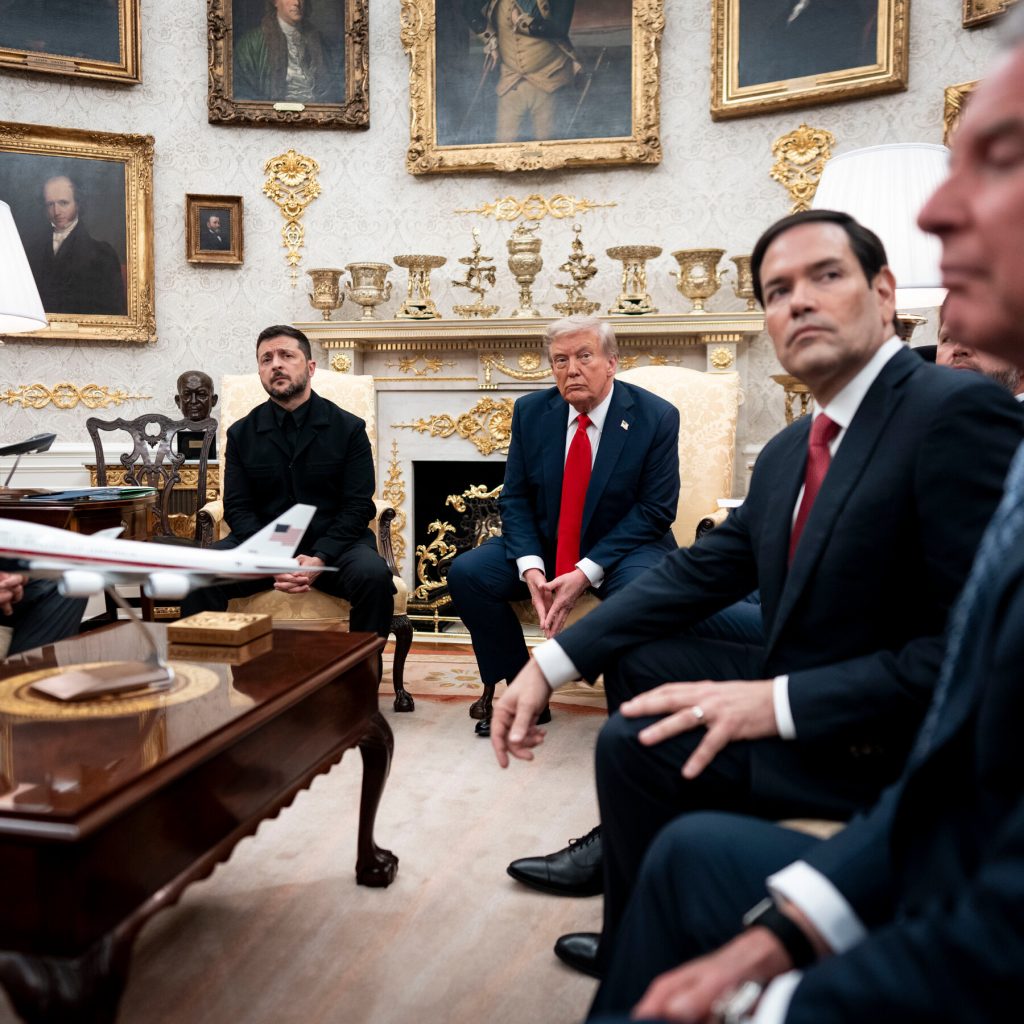
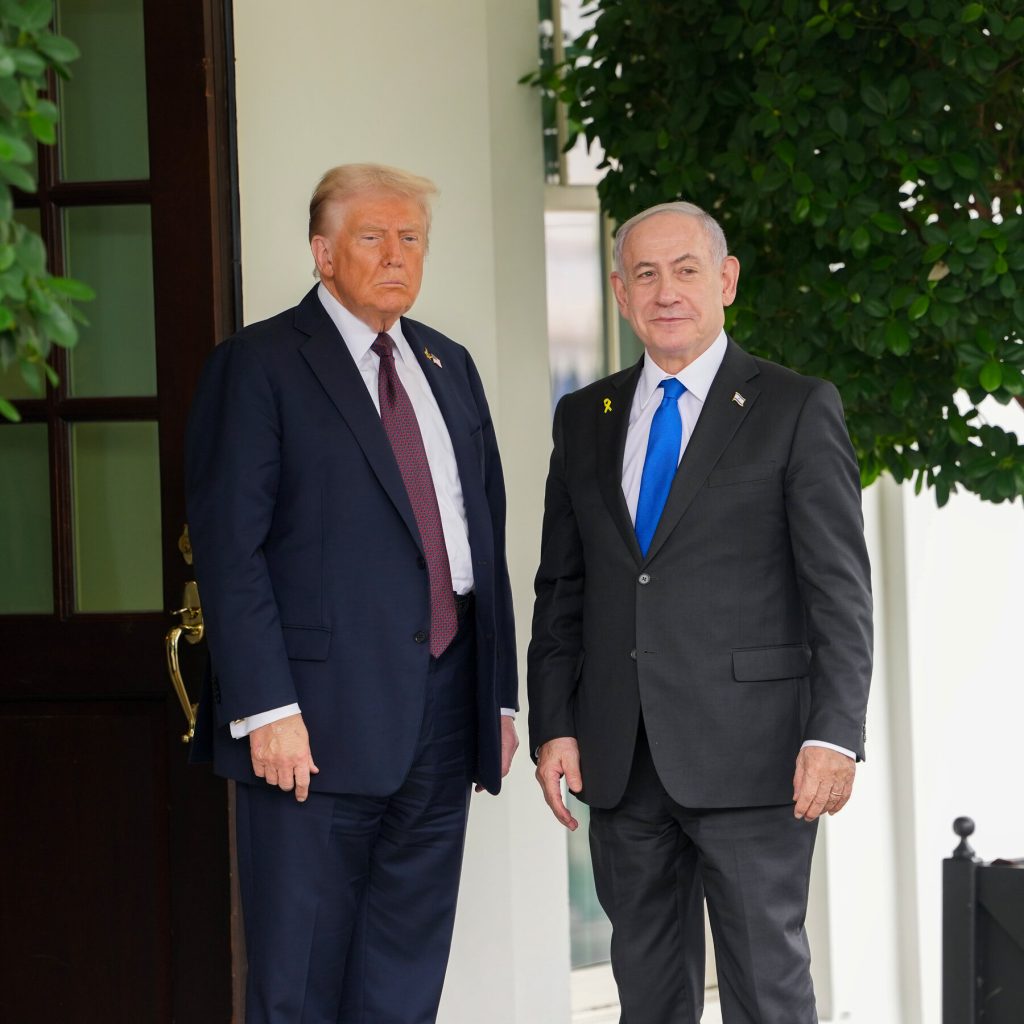
In 2016, Hassett’s reputation caught the attention of the Donald Trump campaign, which was looking for economists who could justify the candidate’s bold promises on tax cuts and deregulation. He was brought on as a senior economic adviser, and his role quickly expanded to include public advocacy for the administration’s agenda. Hassett authored the “Economic Report of the President” in 2017, a document that framed the president’s policies as the engine of a “new era of American prosperity.”
During his tenure at the White House, Hassett repeatedly defended controversial measures—most notably the Tax Cuts and Jobs Act of 2017—by arguing that the cuts would “spur investment, raise wages, and ultimately pay for themselves.” He appeared on cable news networks and in op‑eds, using his academic credentials to lend credibility to the administration’s claims, even when independent analysts warned of widening deficits.
The prospect of Hassett being nominated to lead the Federal Reserve has sparked debate among economists and policymakers. Critics point out that his politically charged defense of fiscal stimulus may conflict with the Fed’s mandate to maintain price stability and full employment independent of partisan pressures. Supporters argue that his deep understanding of macroeconomic policy and his experience navigating the political arena could bring a fresh perspective to the central bank.
Whether Kevin Hassett will ultimately receive a nomination remains uncertain, but his trajectory—from academic economist to a staunch defender of Trump’s economic vision—offers a case study in how policy expertise can be reshaped by political allegiance. As the conversation continues, the central question persists: Can a figure so closely tied to a partisan agenda preserve the impartiality the Federal Reserve requires?