Aydın,
-4°C
açık

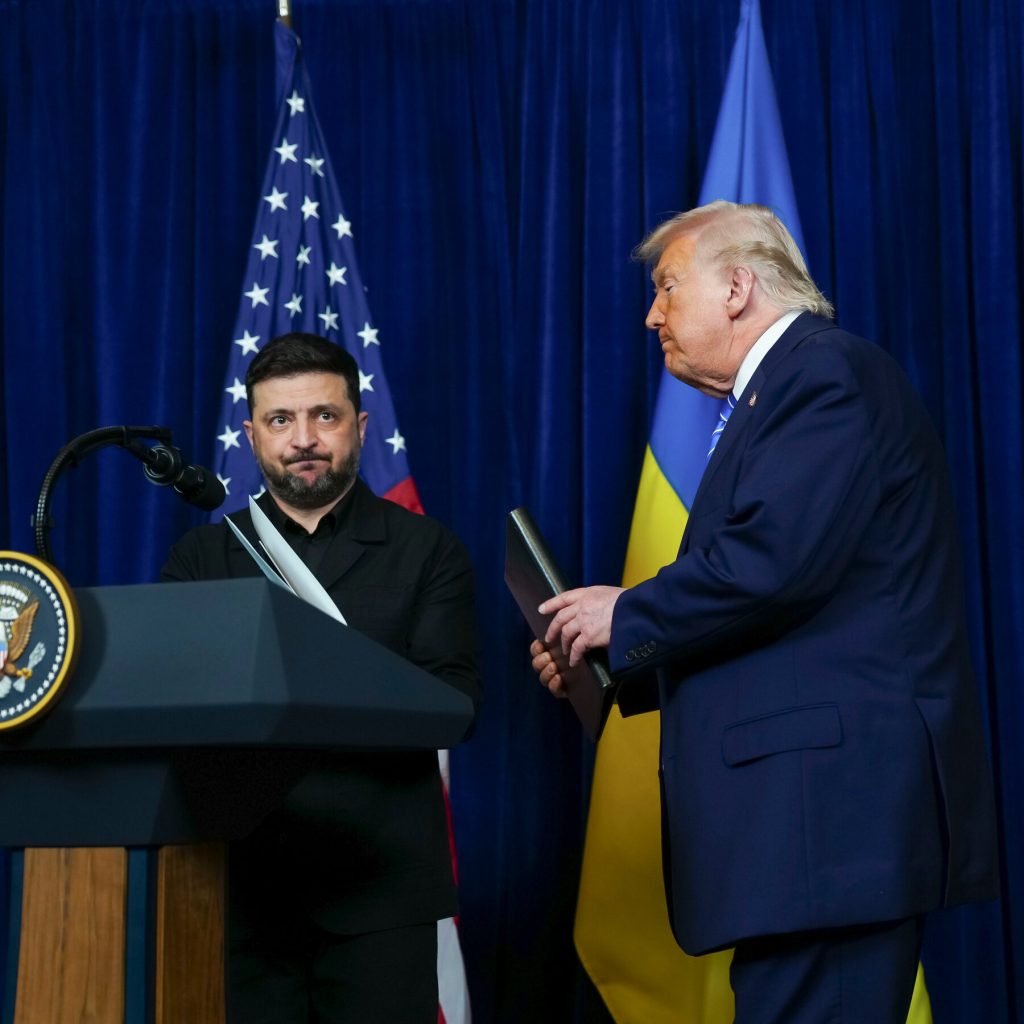
While artillery shells and missiles dominate the headlines, a quieter war is being waged in Washington, D.C. Both Moscow and Kyiv are deploying diplomats, lobbyists, and media strategists to influence President Donald Trump’s understanding of the conflict, hoping to steer any future peace talks in their favor.
Since the invasion began, the Russian government has intensified its outreach to the United States. Official envoys have met with senior White House advisors, emphasizing narratives that portray the war as a “necessary operation” to protect Russian speakers in the east. Moscow also funds think‑tanks and op‑eds that cast the United Nations and NATO as provocateurs, aiming to create a sense of “strategic inevitability” around Russia’s actions.
In addition, Russian media outlets have increased English‑language broadcasts, offering talking points that align with Trump’s “America First” rhetoric—such as the claim that a prolonged conflict drains U.S. resources and distracts from domestic priorities.
Kyiv has responded with a coordinated campaign that highlights civilian suffering, the legitimacy of its defense, and the moral imperative for Western support. High‑profile Ukrainian officials travel to Washington, holding briefings that feature harrowing testimonies from refugees and soldiers alike.
Ukrainian NGOs and diaspora groups have launched social‑media drives, using hashtags like #StandWithUkraine to flood the American information sphere with images of destroyed infrastructure and displaced families. These efforts are designed to evoke empathy and reinforce the idea that a “victorious” Ukraine serves U.S. strategic interests.
Both sides enlist American think‑tanks, former officials, and celebrity influencers to amplify their messages. Russian‑aligned analysts appear on talk shows to argue that sanctions are counter‑productive, while Ukrainian‑aligned experts publish policy papers urging a “robust” military aid package.
Social‑media platforms become battlegrounds where bot networks and paid commentators push polarized narratives, making it harder for the president to discern objective facts from propaganda.
President Trump’s advisors receive daily briefings that are often contradictory. One memo may stress the economic costs of continued U.S. involvement, echoing Russian arguments, while another highlights the geopolitical risks of a Russian victory, reflecting Kyiv’s stance.
Trump’s own statements suggest he is weighing both perspectives: he has spoken of “ending the war quickly” while also praising Ukraine’s “brave people.” This ambivalence underscores the effectiveness of the competing influence campaigns.
If either side succeeds in shaping the president’s view, the terms of any negotiated settlement could tilt dramatically. A Russia‑leaning perception might lead to concessions on territorial control, whereas a Ukraine‑centric outlook could result in stronger guarantees for sovereignty and increased security guarantees from the West.
Ultimately, the outcome will depend less on battlefield victories and more on whose narrative resonates most strongly in the Oval Office.