Aydın,
-4°C
açık

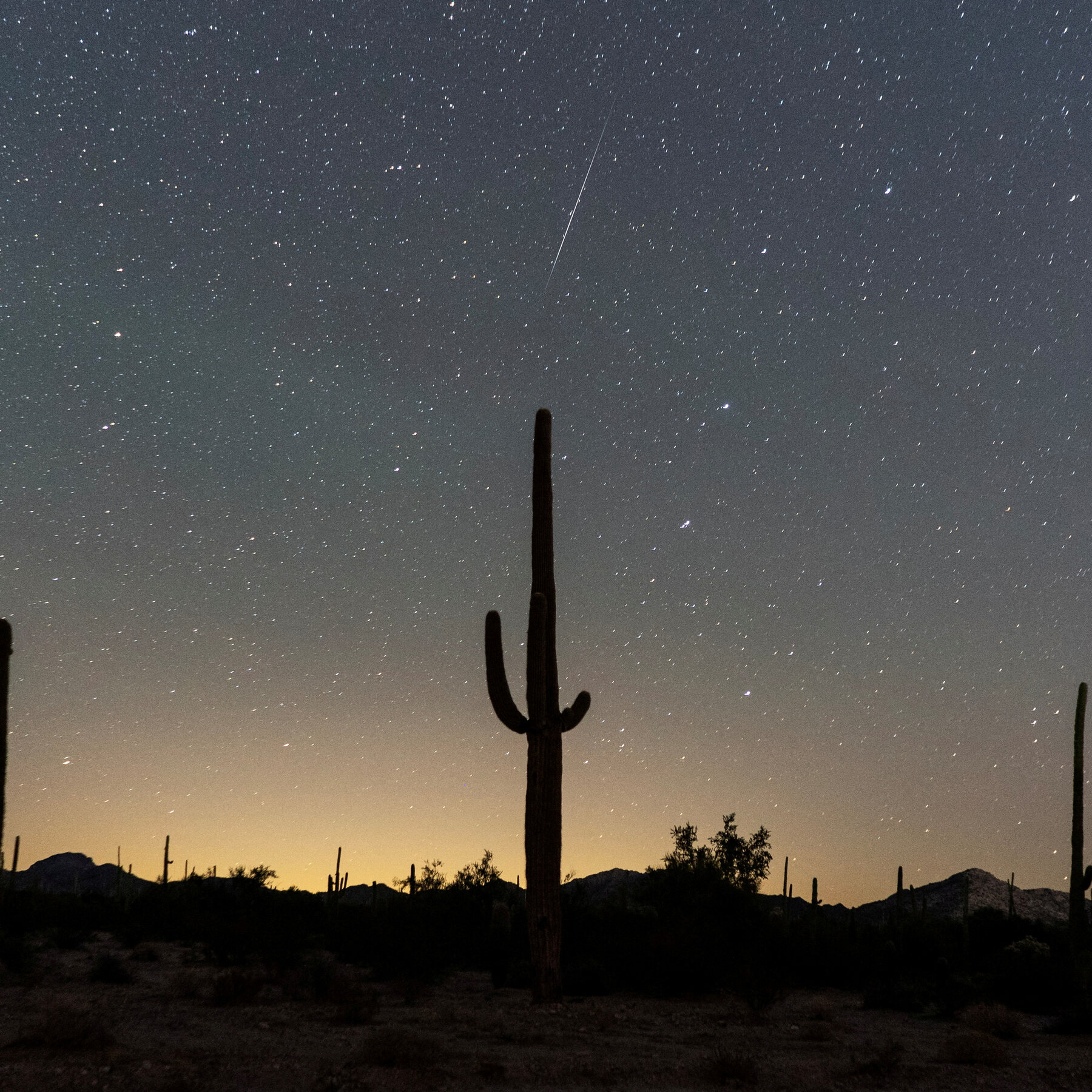
The Geminids, one of the year’s most spectacular meteor showers, will reach its maximum activity on December 13‑14. The best viewing window is from the pre‑dawn hours of the 13th until after sunrise on the 14th, when the sky is darkest and the radiant climbs higher above the horizon.
During the peak, the Moon will be a thin crescent, roughly one‑third illuminated. This relatively dim moonlight means that the night sky will stay dark enough for the meteors to stand out, especially after midnight when the radiant in the constellation Gemini rises above the eastern horizon.
To get the most out of the show, find a spot far from city lights:
1. Dress warmly – December nights can be bitterly cold; wear layered clothing, gloves, and a hat.
2. Bring a reclining chair or a blanket so you can lie back and keep your eyes fixed on the sky without neck strain.
3. Give your eyes time to adapt – avoid looking at bright screens for at least 15‑20 minutes before you start watching.
4. Use a red flashlight if you need light; the red hue preserves night‑vision better than white light.
5. Be patient – meteors appear randomly. A good session lasts at least 30‑45 minutes to catch a decent number of streaks.
At its peak, the Geminids typically produce 120‑150 meteors per hour under ideal dark‑sky conditions. Most of the fireballs will be bright, lasting a second or two, and will trace a path that appears to radiate from the constellation Gemini, near the star Castor.
For real‑time updates on cloud cover and meteor activity, check the American Meteor Society website or a reliable weather app. Local astronomy clubs often host “meteor‑watch” gatherings, which can enhance the experience with expert guidance.
With a slim crescent Moon and clear winter skies, the Geminids promise a dazzling display. Grab a warm drink, settle in a dark spot, and look up – the heavens are about to put on a spectacular show.