Aydın,
-4°C
açık

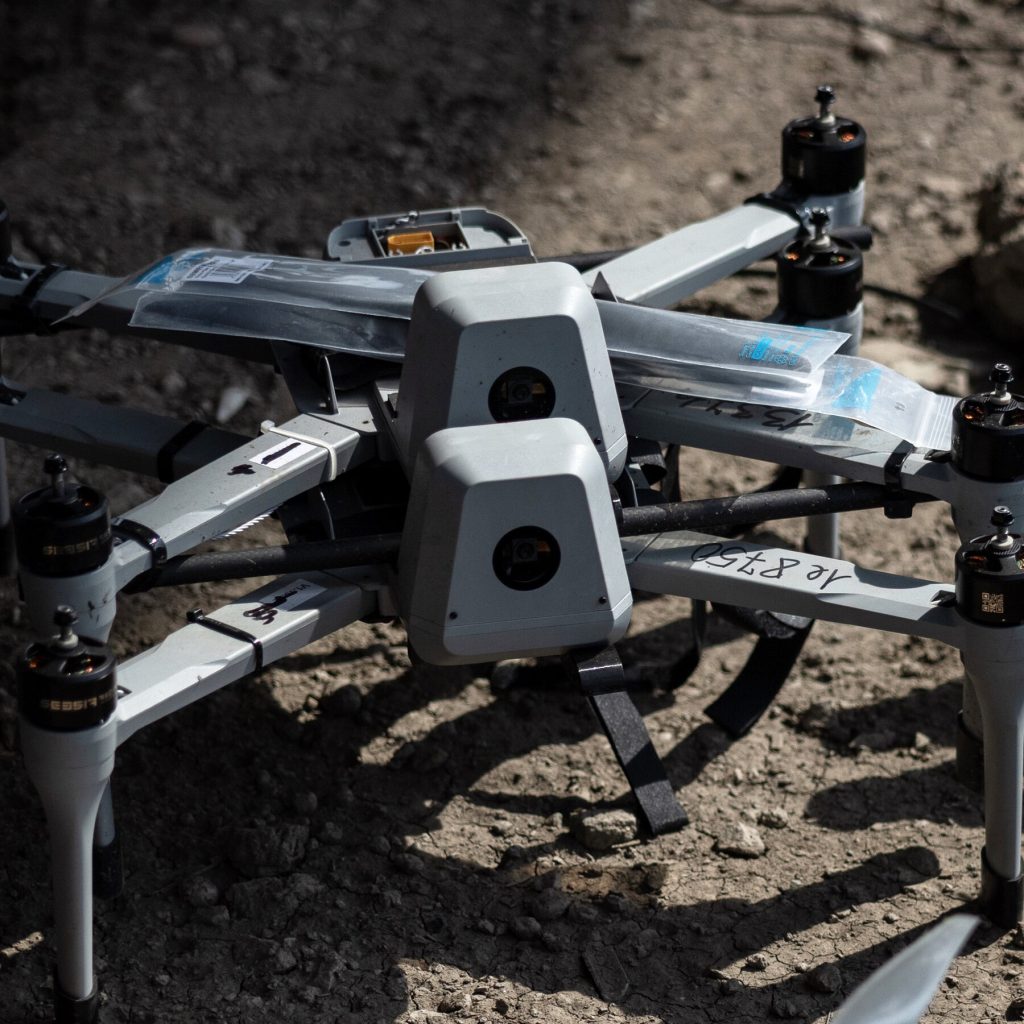
As the conflict with Russia drags on, Moscow’s increasingly sophisticated air‑defence systems have forced Kyiv to look for alternatives to conventional strike aircraft. The result is a rapid push to develop semi‑autonomous combat drones that can operate with minimal human input while still delivering lethal payloads.
What began as a collection of hobby‑grade quadcopters and off‑the‑shelf components has, over the past year, evolved into a full‑scale production line for combat‑ready unmanned aerial vehicles. Ukrainian engineers have retrofitted these platforms with advanced computer‑vision algorithms, allowing the drones to identify and track moving targets such as armored vehicles and artillery positions.
Artificial‑Intelligence Navigation: Neural‑network models trained on thousands of battlefield images enable the drones to fly autonomously, avoid obstacles, and maintain a stable flight path even in heavy electronic‑jamming environments.
Precision Strike Capability: Integrated guidance systems guide miniature warheads or kinetic impactors to a meter‑level accuracy, reducing the need for risky manned missions.
Swarm Coordination: Multiple drones can communicate with one another, forming “swarms” that overwhelm enemy defenses and share real‑time targeting data.
The introduction of these AI‑driven drones is already reshaping Ukrainian tactics. Units can now conduct rapid, low‑cost strikes behind enemy lines, disrupt supply routes, and neutralize high‑value assets without exposing pilots to hostile fire. Analysts suggest that the technology could level the playing field against Russia’s superior air‑power.
Despite their promise, the drones face several hurdles. Limited production capacity, reliance on imported micro‑electronics, and the need for continual software updates hamper large‑scale deployment. Moreover, the semi‑autonomous nature of the weapons raises ethical questions about accountability and the potential for unintended casualties.
Ukraine’s drive to field AI‑enabled drones reflects a broader trend in modern warfare: the blending of artificial intelligence with conventional arms to create new forms of lethality. As both sides adapt, the international community will be watching closely to see how these emerging technologies shape the future of conflict.