Delhi’s Air Crisis Threatens Health and Growth
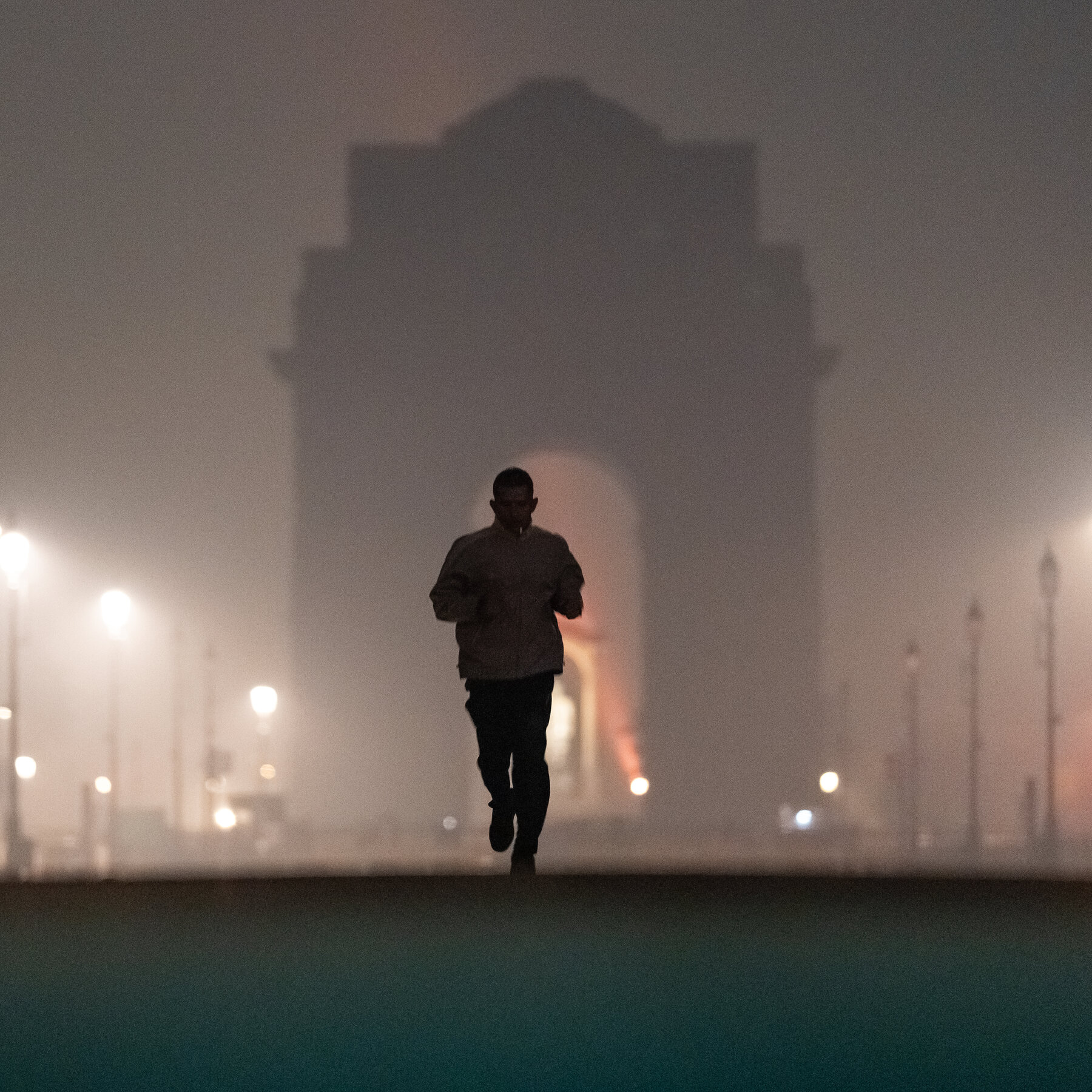
India’s rapid economic expansion has placed the nation firmly on the world stage. While the country celebrates its growing influence in technology, manufacturing, and geopolitics, the capital city of New Delhi grapples with a silent, deadly foe: its sky.
Every winter, the capital transforms into a massive air‑pollution hotspot, with particulate matter (PM2.5) levels soaring well above the World Health Organization’s safe limits. Residents are forced to wear masks, stay indoors, and watch their children cough as the city’s toxic haze settles like a blanket over streets, schools, and offices.
Root Causes of the Toxic Smog
Several factors converge to create Delhi’s hazardous atmosphere:
- Vehicle Emissions: The surge in private car ownership and an aging fleet of diesel trucks release large quantities of nitrogen oxides and fine particles.
- Industrial Output: Power plants, brick kilns, and small‑scale factories on the city’s outskirts burn low‑grade coal and biomass, spewing pollutants into the wind.
- Agricultural Practices: Seasonal crop‑stubble burning in neighboring states adds a thick plume of smoke that drifts into the capital.
- Geography & Weather: Delhi’s location in the Indo‑Gangetic plain traps pollutants, especially during winter inversions when cold air settles near the ground.
Health Consequences: A Growing Public Health Emergency
Scientists estimate that air pollution shortens the lives of Delhi’s residents by 3–5 years on average. Chronic exposure leads to:
- Respiratory diseases such as asthma and chronic obstructive pulmonary disease (COPD).
- Cardiovascular problems, including hypertension and heart attacks.
- Reduced lung development in children, affecting their academic performance and long‑term wellbeing.
- Increased risk of lung cancer and premature mortality.
According to recent hospital data, emergency room visits for respiratory distress spike by up to 40 % during the peak smog months of November to February.
Government Measures: Too Little, Too Late?
Delhi’s authorities have launched several initiatives, including:
- Odd‑even vehicle registration schemes to curb traffic emissions.
- Restrictions on construction dust and the promotion of electric public transport.
- Temporary bans on firecrackers during festivals.
However, critics argue that these measures are reactive rather than preventive. Enforcement is uneven, and the underlying sources—particularly stubble burning and outdated industrial plants—remain largely unaddressed.
Path Forward: Sustainable Solutions for Cleaner Skies
Experts suggest a multi‑pronged approach:
- Accelerate the shift to renewable energy: Replace coal‑fired power plants with solar and wind farms, offering incentives for private sector participation.
- Modernize public transportation: Expand the metro network, subsidize electric buses, and develop robust cycling infrastructure.
- Implement strict stubble‑burning bans: Provide farmers with affordable alternatives such as mechanized residue management and cash‑crop incentives.
- Upgrade industrial emission standards: Enforce real‑time monitoring, impose heavy fines for non‑compliance, and promote cleaner production technologies.
- Enhance public awareness: Launch city‑wide campaigns that educate citizens about the health risks of air pollution and encourage community participation in monitoring efforts.
Conclusion
India’s ascent as a global power is undeniable, yet the health of its capital’s population hangs in the balance. Without decisive, coordinated action, New Delhi will continue to function as a lethal gas chamber, undermining the nation’s long‑term prosperity and the wellbeing of millions. The time to act is now—clean air must become a cornerstone of India’s development agenda.