Aydın,
-2°C
açık

Since the late 1970s, successive Chinese leaders have recognized the geopolitical weight of rare earth elements—the critical minerals that power smartphones, electric vehicles, wind turbines, and advanced weaponry. Deng Xiaoping’s economic reforms opened the door for massive state‑backed investments in mining and processing, laying the groundwork for a national industry that would soon become a global monopoly.
In the 1980s, the Chinese government established the China Nonferrous Metals Industry Association and earmarked subsidies for rare‑earth extraction in provinces such as Inner Mongolia, Sichuan, and the Bayan Obo region of Inner Mongolia. These policies attracted state‑owned enterprises and local officials eager to meet production targets, even as environmental safeguards remained weak.
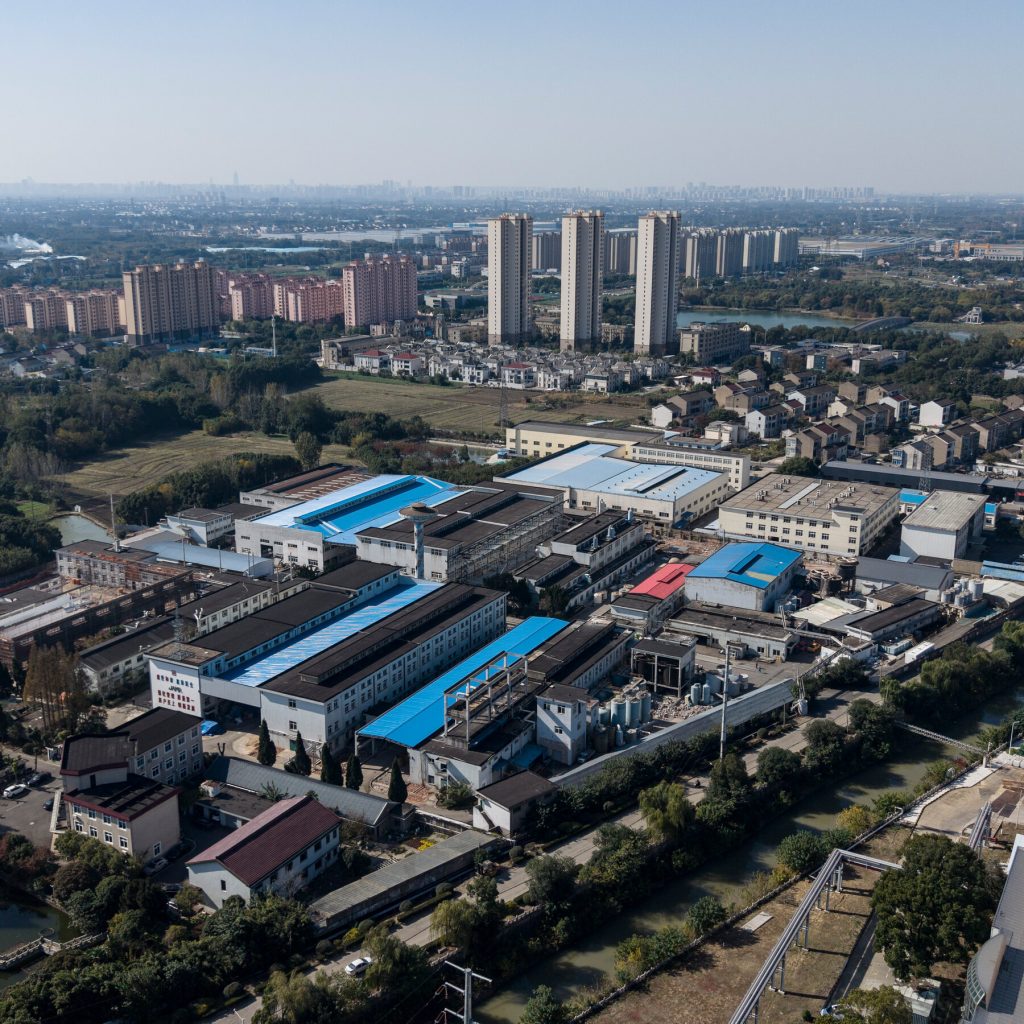
Rare‑earth mining is notoriously dirty. The extraction process uses strong acids and generates large quantities of toxic tailings. Over the past three decades, sprawling smelting complexes have released fluorine, sulfur dioxide, and heavy metals into air, water, and soil, causing health crises in nearby communities. International watchdogs have repeatedly condemned China’s lax enforcement of environmental standards.
During the 1990s and early 2000s, leaders Jiang Zemin and Hu Jintao transformed China’s rare‑earth sector from a domestic supply chain into a strategic export powerhouse. By 2008, China supplied more than 95 % of the world’s rare‑earth output, leveraging this dominance to influence trade negotiations and to pressure foreign manufacturers.
Under President Xi Jinping, the government tightened state control, merging dozens of smaller firms into a handful of megacorporations such as China Northern Rare Earth (Group) High-Tech Co. and China Minmetals Rare Earth Co.. New “national security” guidelines classify rare‑earth resources as strategic assets, restricting foreign investment and export quotas.
In recent years, China has pledged to curb the most polluting operations. Pilot projects in Gansu and Guizhou aim to recycle rare‑earth waste and adopt greener extraction technologies. However, critics argue that economic incentives still prioritize output over ecological health.
The world’s reliance on Chinese rare earths has spurred initiatives in the United States, Japan, and the European Union to develop domestic supply chains, invest in recycling, and explore substitute materials. While these efforts are gaining momentum, they face high costs and technical hurdles, underscoring the lasting impact of China’s six‑decade campaign.
China’s rare‑earth dominance is unlikely to wane soon. As the demand for clean‑energy technologies accelerates, the country’s strategic, albeit environmentally costly, investments will continue to shape global markets and diplomatic negotiations for years to come.