Aydın,
-4°C
açık

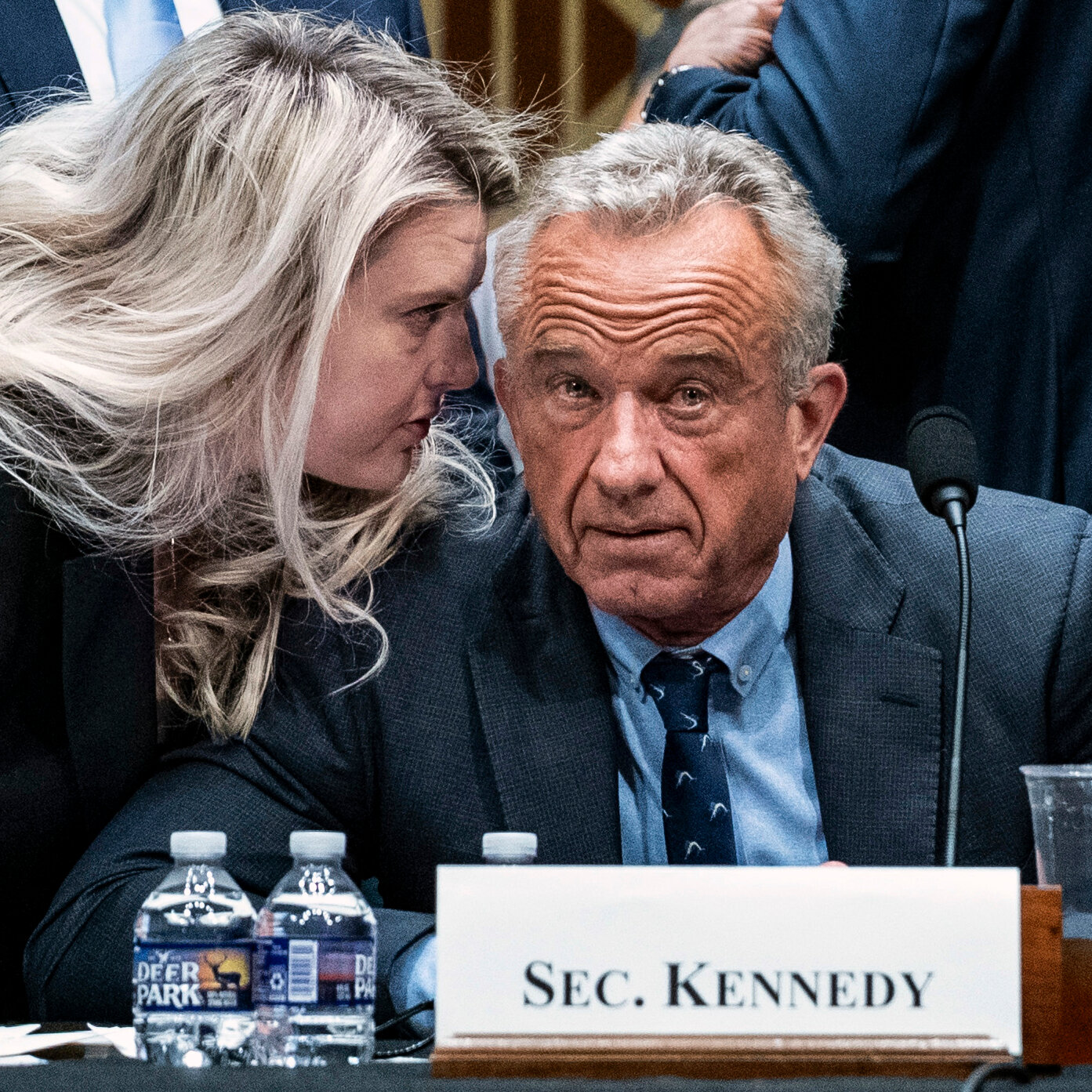
Since taking office, Health Secretary John Kennedy has pledged to overhaul a vaccine distribution framework he describes as “out‑of‑date and overly bureaucratic.” In a series of speeches, Kennedy argued that the existing system favors entrenched interests and stifles rapid, community‑driven responses to emerging health threats.
One of Kennedy’s most controversial moves has been to limit direct interaction with career scientists at the National Institutes of Health and the Centers for Disease Control and Prevention. According to insiders, routine briefings were replaced by brief, written memos, and many senior researchers now find themselves “on the periphery of policy discussions.”
“It feels as if the science is being sidelined for political expediency,” said a senior epidemiologist who requested anonymity.
Parallel to the distancing from federal experts, Kennedy has mobilized a coalition of grassroots activists and private‑sector partners to champion his vaccine agenda. These groups have been granted unprecedented access to funding streams, regulatory waivers, and media platforms.
Key initiatives include:
Since the rollout of these strategies, the Department of Health and Human Services has:
Supporters claim these changes have expanded access to underserved communities, while critics warn of “unchecked risk” and a potential erosion of scientific rigor.
Leading researchers have expressed a mixture of concern and cautious optimism. Dr. Maria Alvarez, a vaccine development expert at the University of California, noted:
“If we can harness community energy without compromising data integrity, there’s real potential. But the current trajectory feels like a sprint without a safety net.”
Several professional societies have called for an independent review of the new processes, urging Kennedy to re‑engage with the scientific advisory bodies that have traditionally guided vaccine policy.
Analysts warn that the long‑term effects of Kennedy’s approach could be profound:
As the 2025 midterm elections approach, Kennedy’s vaccine strategy is expected to become a focal point of political debate. Congressional hearings are slated for early 2026, where both supporters and detractors will present testimony on the efficacy and safety of the new system.
For now, the health secretary remains steadfast, asserting that “a bold, community‑centered vision is the only way to protect America’s future.” Whether this vision will reshape the nation’s vaccine infrastructure—or create new challenges—remains to be seen.