Aydın,
-4°C
açık

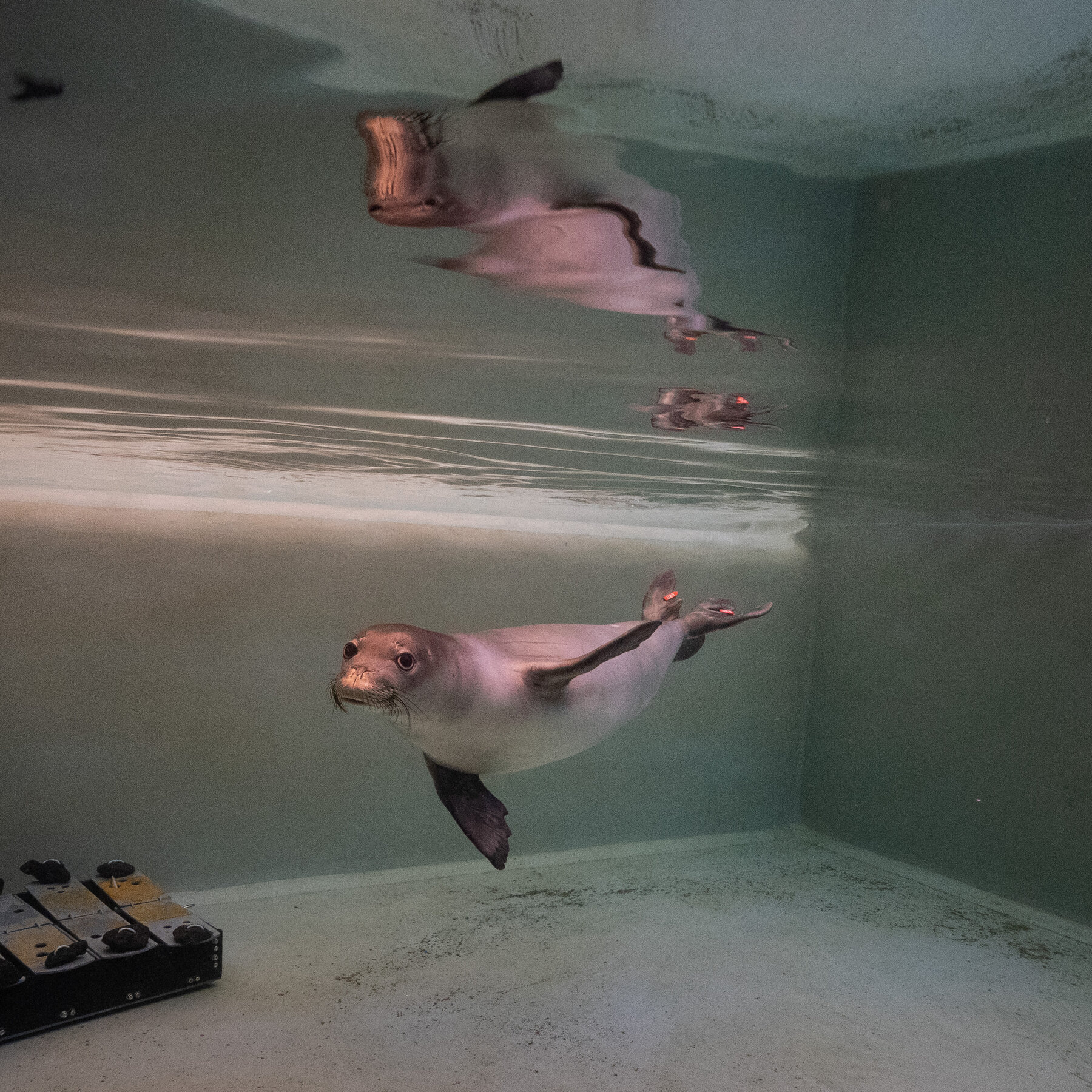
When avian influenza resurfaced in Hawaii this autumn, scientists realized that the endangered Hawaiian monk seal could face a new, deadly threat. The seals, already vulnerable due to habitat loss and past disease outbreaks, needed protection fast, prompting an urgent push to test experimental vaccines on the species.
The H5N1 strain of bird flu, which has caused sporadic outbreaks in wild birds across the Pacific, was confirmed in several Hawaiian islands last month. “We’ve seen the virus spread among seabirds, and the risk of spillover to marine mammals is real,” said Dr. Leilani Koa, a virologist with the University of Hawaii’s Marine Health Institute.
Researchers have selected a recombinant protein vaccine that has shown promise in poultry and laboratory rodents. The trial will involve:
All procedures follow strict animal‑welfare guidelines, and the seals are being observed by marine biologists and veterinarians throughout the study.
Preliminary blood tests indicate that the vaccine stimulates a measurable immune response in the first two weeks after injection. “If these results hold, we could have a viable tool to safeguard the population before the virus spreads further,” Dr. Koa added.
The team plans to expand the trial to include more individuals and to test a booster dose later in the season. Simultaneously, conservationists are working on habitat restoration and public‑education campaigns to reduce human‑related stressors on the seals.
Success in this vaccine trial could set a precedent for protecting other marine mammals from emerging infectious diseases. As Dr. Koa emphasized, “Proactive health measures are as essential as protecting the seals’ environment.”