Aydın,
-4°C
açık

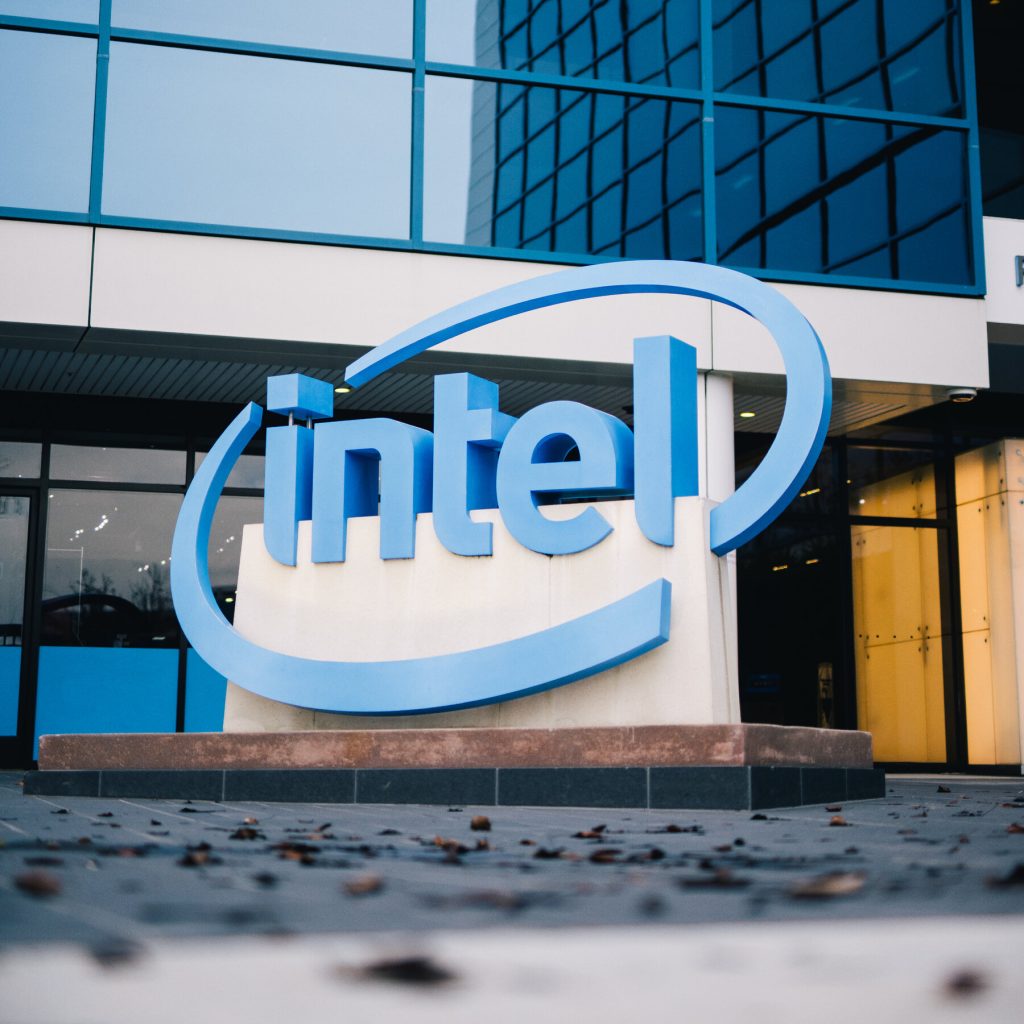
Intel, the struggling chipmaker, has been engaged in discussions with Apple about securing an investment to bolster its financial standing. According to sources familiar with the matter, the two companies have had multiple conversations, both before and after the US government invested $8.9 billion in Intel last month. However, it remains uncertain whether Apple will ultimately decide to make an investment.
These talks are part of Intel’s aggressive efforts to raise capital and find new customers for its beleaguered business. The company has been facing significant challenges in recent years, particularly in the areas of artificial intelligence and smartphone technology, where it has struggled to keep pace with rivals.
In recent weeks, Intel has secured investments from other major tech players, including a $5 billion investment from Nvidia and a commitment to partner on developing a new semiconductor for AI systems. Additionally, the company received a $2 billion investment from SoftBank, which is the majority owner of Arm, a British chip design company.
The US government’s investment in Intel was seen as a significant intervention, marking one of the most notable government stakes in a US company since 2008, when the government provided billions of dollars to the auto industry to prevent its collapse during the financial crisis.
Intel’s stock price has seen a significant surge in recent days, with shares closing at $31.22 on Wednesday, up 52% from the price paid by the government for the company’s shares on August 22. The stock rose 6% on Thursday following reports of the talks with Apple.
Despite its efforts to turn its business around, Intel has faced significant challenges in competing with Taiwan Semiconductor Manufacturing Co. (TSMC), the world’s largest chip manufacturer. Apple, which works with TSMC, has reportedly been unwilling to shift production to Intel due to the company’s lagging technology.
In January, Commerce Secretary Howard Lutnick attempted to facilitate a deal between Intel and TSMC, potentially involving Apple, Nvidia, and other tech companies investing in and taking stakes in a spun-off manufacturing business. However, it is unclear whether this proposal will come to fruition.
Intel declined to comment on the talks with Apple, while Apple did not respond to requests for comment. Founded in 1968 in Silicon Valley, Intel was once an industry pioneer, but it has struggled to adapt to changing market trends and technological advancements. As the tech industry continues to shift towards AI and other emerging areas, Intel faces significant challenges in catching up with its rivals.