Aydın,
-4°C
açık

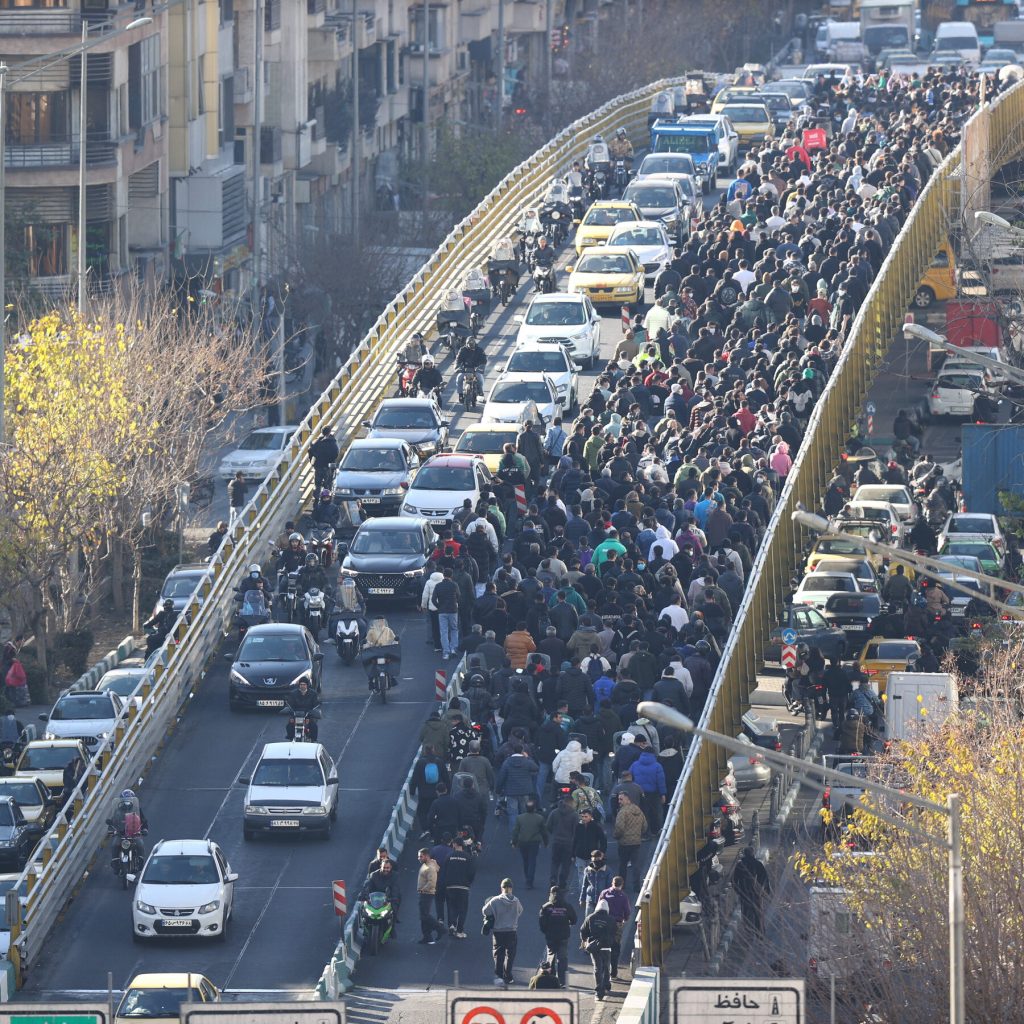
Inflation in Iran has surged to double‑digit levels, eroding the purchasing power of wages and savings. Basic necessities such as food, medicine and transport have become increasingly unaffordable, forcing families to cut back on essential items and stretch already thin budgets.
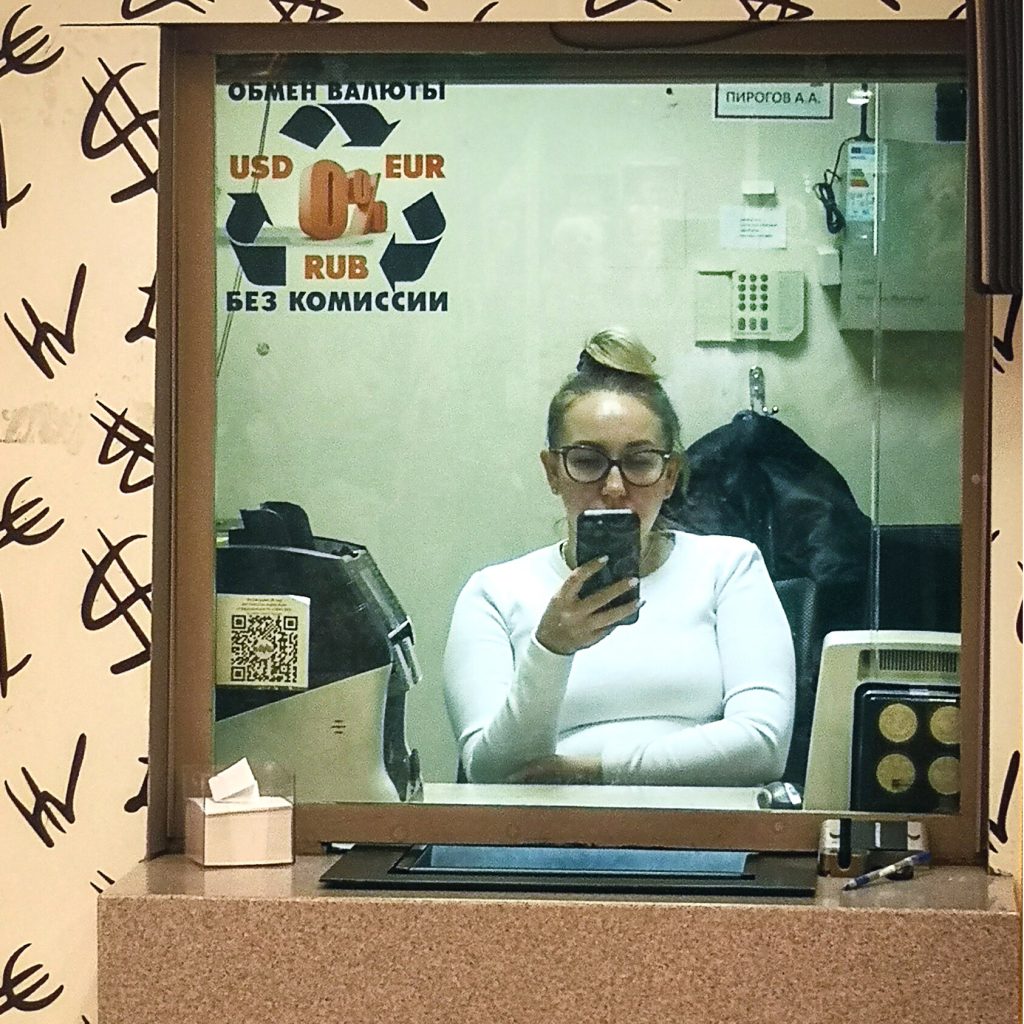
The Iranian rial has plummeted against major foreign currencies, losing more than 80 % of its value in the past twelve months. The devaluation has amplified the impact of inflation, as imported goods become dramatically more expensive and the cost of living spirals upward.
Faced with dwindling real incomes, thousands of Iranians have taken to the streets in cities across the country. Demonstrations, often organized through social media, feature chants demanding price controls, wage hikes, and a more transparent monetary policy. Protesters carry signs that read “Stop the theft of our savings” and “Justice for the people, not the elite.”
Officials have acknowledged the economic strain but attribute it to external sanctions and “unforeseen market forces.” In recent statements, President Ebrahim Raisi promised “swift corrective measures,” yet critics argue that the promises lack concrete policy details. Meanwhile, security forces have been deployed to monitor rallies, leading to occasional clashes and arrests.
Economists warn that without decisive reforms—such as lifting restrictive exchange controls, stabilizing the rial, and curbing inflationary pressures—the cycle of unrest could intensify. International observers note that a combination of diplomatic engagement and internal fiscal discipline may be essential to restore confidence and prevent further social upheaval.