Aydın,
1°C
parçalı bulutlu

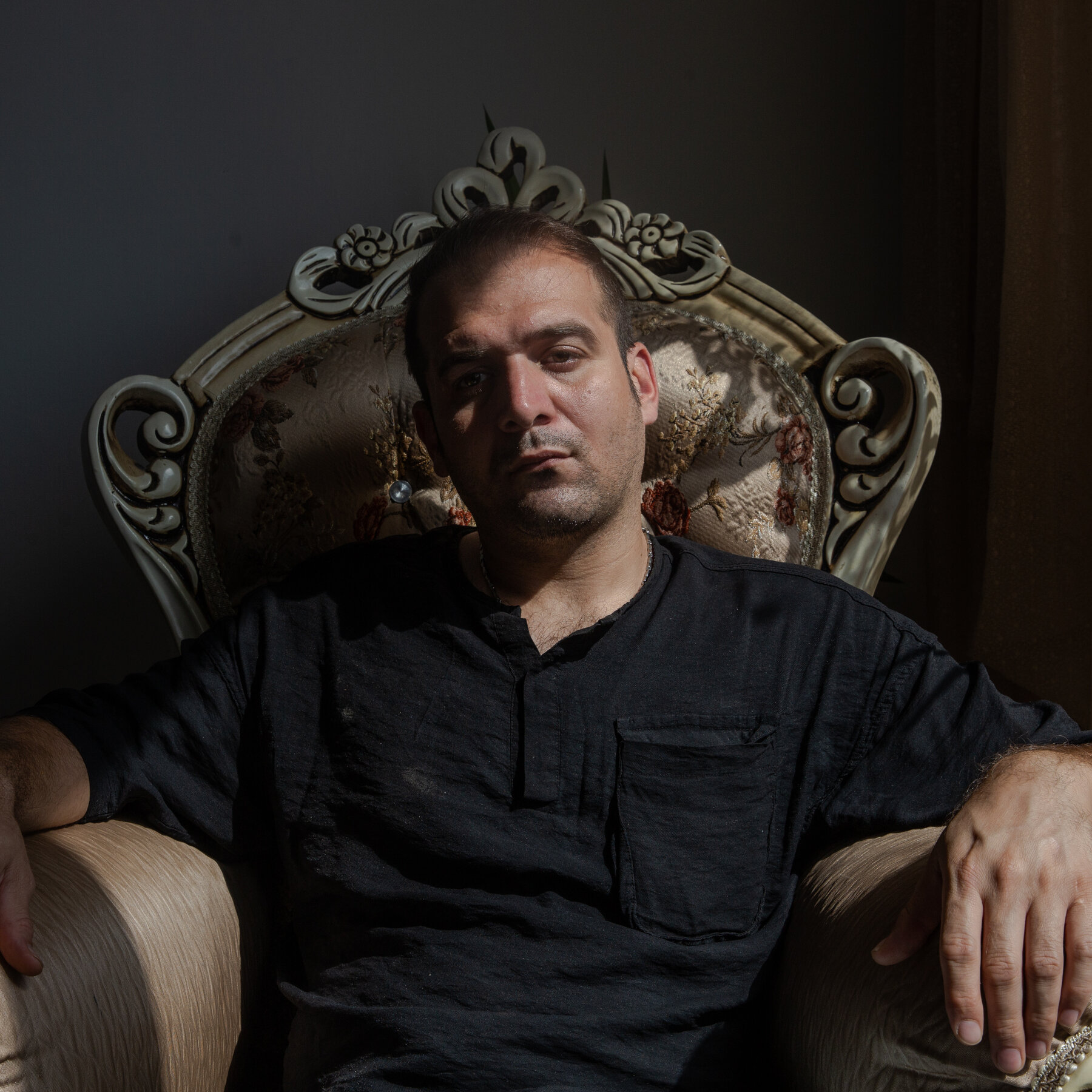
For decades, the United States has served as a refuge for Iranians escaping political repression, religious persecution, and economic hardship. Many arrived under asylum or refugee status, building new lives while their families remained vulnerable back home.
In the autumn of 2023, the Biden administration announced a controversial agreement with Tehran that would allow the United States to “facilitate voluntary returns” of certain Iranian nationals. Critics argued the deal was a thinly veiled “deportation” plan, while officials claimed it was a humanitarian effort to reunite families.
Under the terms of the agreement, individuals who had been denied asylum, had committed crimes, or were deemed “non‑credible” in their claims could be removed from the United States and sent back to Iran.
On September 12, 2023, a commercial airliner took off from Chicago O’Hare bound for Tehran’s Imam Khomeini International Airport carrying 115 passengers. Among them were:
During the flight, several passengers reported feeling “trapped in a nightmare.” One woman whispered, “I never imagined I would be forced to leave the only country I ever knew as home.”
Human‑rights organizations condemned the operation, calling it a breach of international protection standards. The American Civil Liberties Union (ACLU) filed an emergency injunction, arguing that the deportations violated due‑process rights and exposed returnees to potential persecution.
Iranian diaspora groups staged protests outside the airport, chanting, “No more deportations! No more fear!” They demanded transparency and an end to what they described as “politically motivated removals.”
The Department of Justice defended the policy, stating that all deportees had undergone thorough immigration hearings and that the United States was complying with its bilateral agreement with Iran. However, courts have so far been hesitant to block the removals, citing national‑security considerations.
As the first wave of deportees arrives in Tehran, families on both sides grapple with uncertainty. Some report that the Iranian government is providing temporary housing, while others fear that the returnees will face surveillance or detention.
The controversy has reignited a broader debate about the United States’ obligations to protect refugees and the limits of executive power in immigration matters. Advocates continue to push for legislative safeguards that would prevent future “nightmare flights” and ensure that asylum seekers receive fair and humane treatment.