Aydın,
8°C
açık

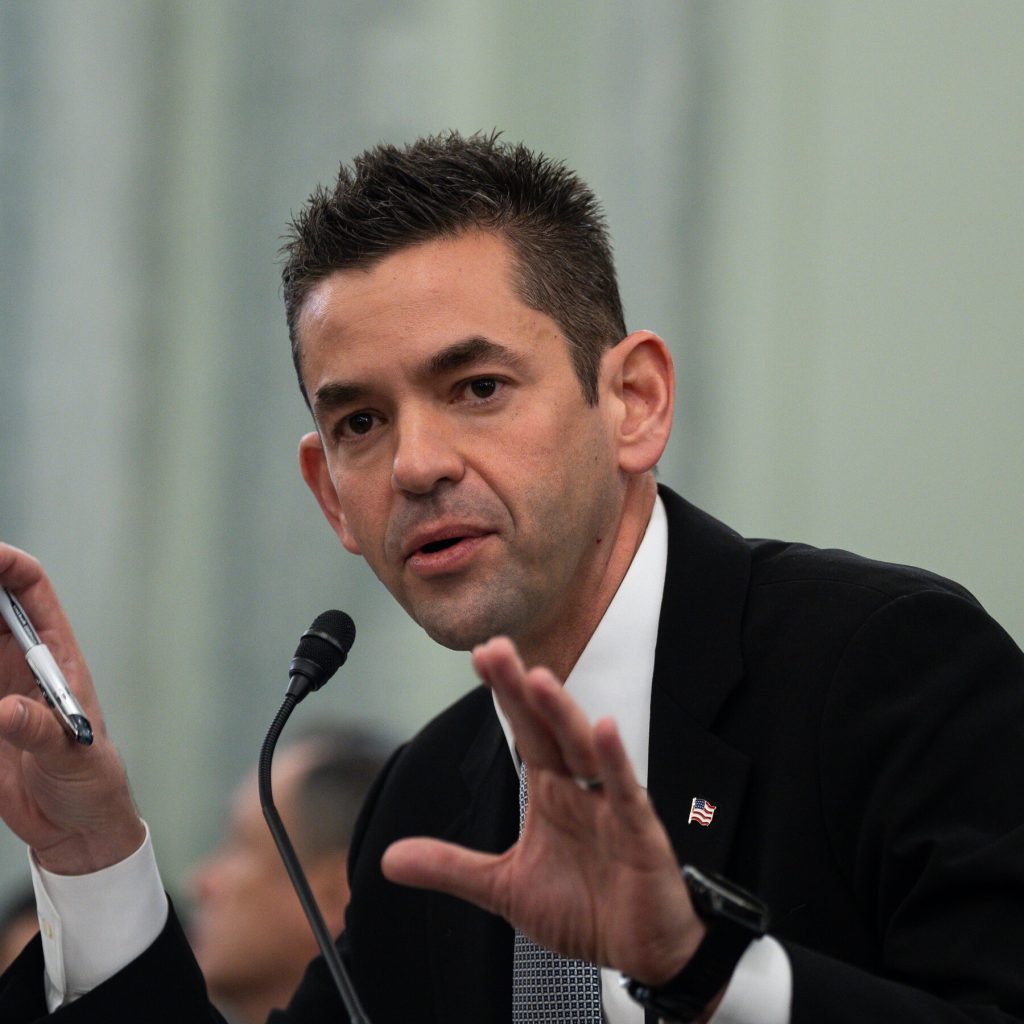
Jared Isaacman, the billionaire entrepreneur best known for founding Shift4 Payments and commanding the historic Inspiration4 mission, has been officially confirmed by the Senate to become the next Administrator of the National Aeronautics and Space Administration. The vote, 78‑22, marks the second time Isaacman has been nominated for the role, following an earlier, stalled nomination in 2023.
NASA’s flagship programs are under intense pressure. The Artemis lunar initiative has missed multiple milestones, the agency’s budget is being squeezed by competing federal priorities, and a series of technical setbacks have raised doubts about the United States’ ability to maintain leadership in deep‑space exploration. Critics warn that without decisive action, the agency could lose its competitive edge and its public credibility.
Isaacman is expected to draw on the experience of former NASA Administrator Daniel Goldin, who steered the agency from 1992 to 2001. Goldin’s “faster, better, cheaper” philosophy emphasized:
While Goldin’s approach yielded mixed results—some missions succeeded spectacularly, while others faltered—its core tenets remain relevant as NASA confronts modern budgetary and technological challenges.
During his confirmation hearing, Isaacman outlined a three‑pronged strategy:
He also pledged to maintain a “culture of transparency and accountability,” promising regular briefings to Congress and the public on program progress and setbacks.
Space industry leaders have largely welcomed Isaacman’s appointment. Elon Musk of SpaceX remarked, “Jared’s hands‑on experience with crewed flight and his business acumen could help bridge the gap between NASA’s ambitions and the realities of funding.” Conversely, some congressional members cautioned that “the agency must not become overly dependent on any single commercial partner,” urging a balanced portfolio of suppliers.
Isaacman inherits an agency at a pivotal moment. His ability to integrate Goldin’s cost‑conscious mindset with today’s commercial boom could determine whether NASA emerges stronger or continues to stumble. The next twelve months will be a litmus test: will the new Administrator deliver the promised “faster, better, cheaper” outcomes, or will the space program’s challenges prove too entrenched to overcome?