Aydın,
-4°C
açık

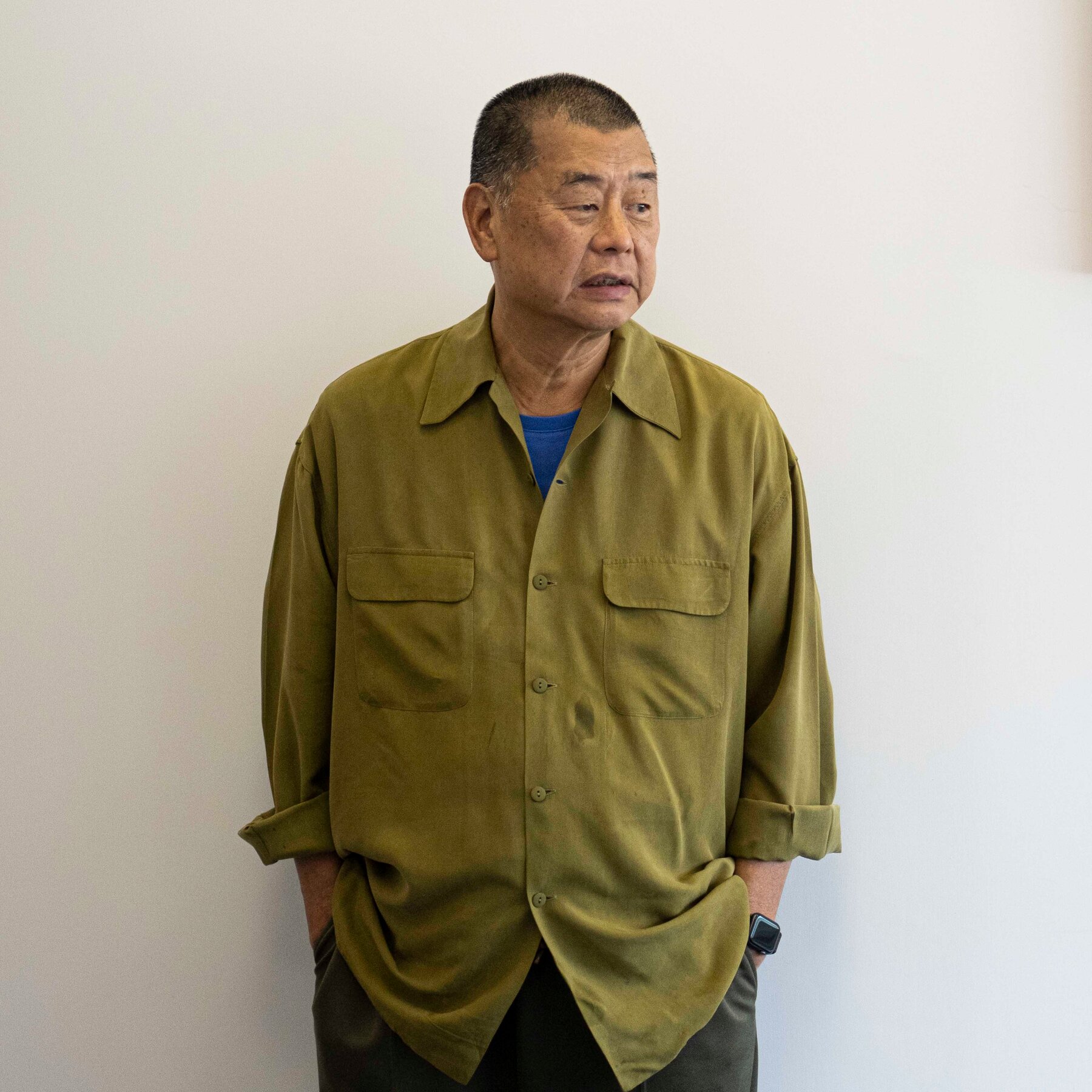
Hong Kong publisher and democracy activist Jimmy Lai was found guilty of breaching the city’s national security ordinance on June 12, 2024. The verdict marks the latest high‑profile case in a legal framework that has been widely criticized for silencing dissent and curbing civil liberties.
Lai, the founder of the outspoken newspaper Apple Daily, faced multiple counts, including “collusion with foreign forces” and “subversion of state power.” The prosecution argued that his media outlets and public statements aimed to undermine China’s authority, while his defense contended that the charges were a thinly veiled attempt to stifle free expression.
The trial, conducted behind closed doors for most of its duration, was described by observers as “a foregone conclusion.” International human‑rights groups warned that the proceedings lacked transparency and failed to meet basic standards of due process.
Chinese officials hailed the ruling as a “necessary step to safeguard national security,” portraying Lai as a “dangerous traitor” who had “betrayed the interests of the Chinese nation.” In contrast, foreign governments and NGOs condemned the verdict, calling it “a stark reminder of the erosion of Hong Kong’s autonomy under the “one‑country‑two‑systems” model.
For many pro‑democracy advocates, Lai’s conviction has only strengthened his status as a martyr‑like figure. Demonstrations in Hong Kong and overseas featured chants of “Free Jimmy” and “Stand up for Hong Kong,” while social‑media campaigns used his image to rally calls for press freedom and political reform.
“Jimmy Lai represents the courage to speak truth to power, even when the odds are stacked against us,” said a longtime activist who preferred to remain anonymous. “His sentencing will not silence us; it will amplify our resolve.”
Lai faces a lengthy prison term, and his fate will likely influence the future of Hong Kong’s already fragile civil society. Legal experts warn that the case could set a precedent for further prosecutions of journalists, activists, and anyone deemed critical of Beijing.
Meanwhile, the international community continues to monitor the situation closely, with several governments urging Hong Kong authorities to respect the rule of law and uphold the freedoms promised under the 1997 handover agreement.